


Trying Every Diet but Nothing Works? This Mediterranean Kitchen Secret May Be Worth Trying

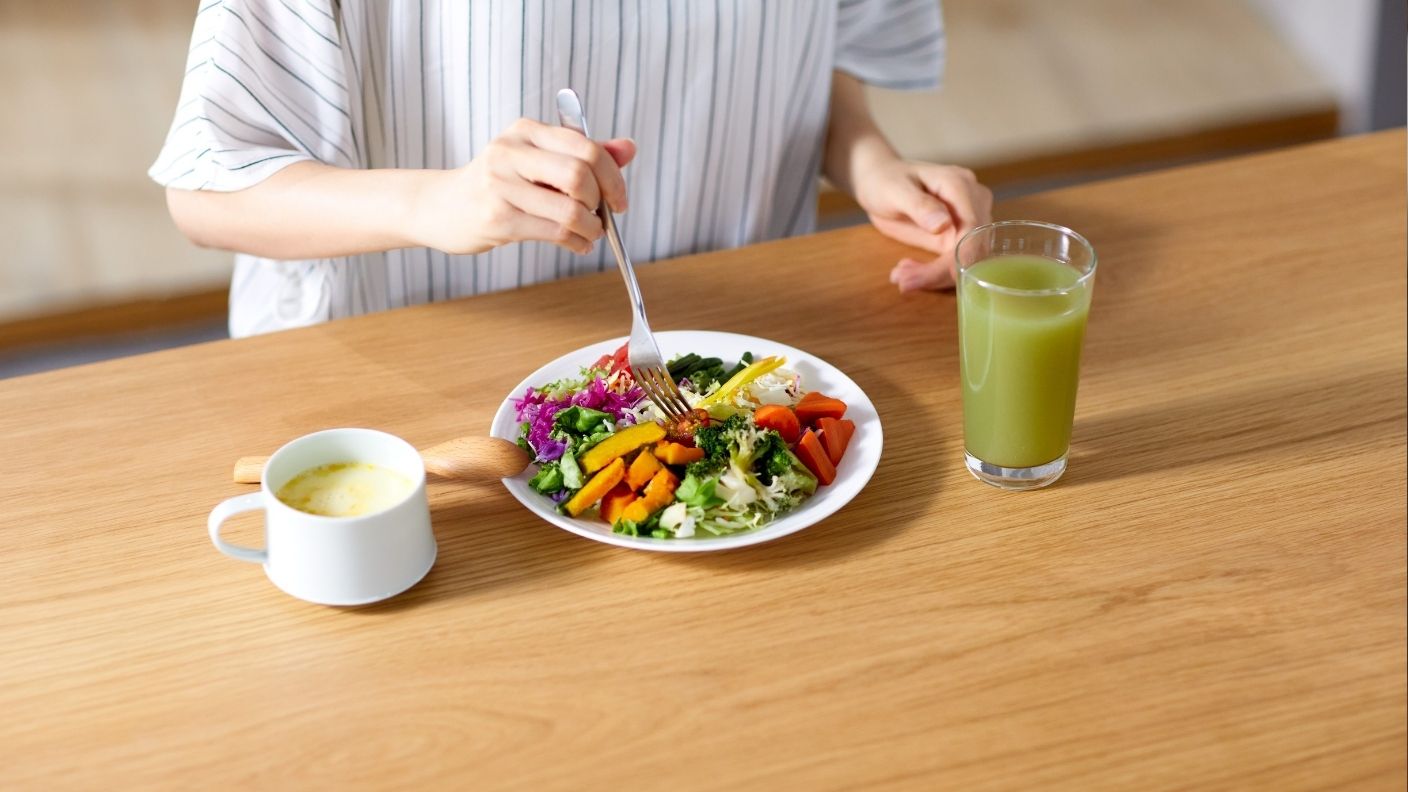

Cycling through diet after diet without lasting results usually gets blamed on willpower. Researchers who study why the Mediterranean diet actually sticks point to something else entirely: most restrictive diets are simply unpleasant enough that nobody keeps them up.
The Problem Might Not Be Willpower, It’s the Diets Themselves
Harvard researcher Miguel Martínez-González, who has studied Mediterranean eating patterns for years, has been blunt about this. He’s described most American approaches to healthy eating as barely using olive oil at all, just a light sprinkle here and there.
That’s the opposite of how it’s actually done in Mediterranean households. The difference isn’t a minor stylistic detail, it may be the entire reason one approach sticks and the other doesn’t.
The Real Secret Isn’t a Rule, It’s How Much Olive Oil Is Used
“The vegetables, the lettuces are literally swimming in olive oil,” Martínez-González has said, describing traditional preparation. “It is very tasty. It is very pleasant. It is not a tortured diet.”
That generosity with fat is the actual departure point from most diet culture. Instead of measuring oil in careful drops to save calories, traditional Mediterranean cooking treats it as the main event.
Cooking Vegetables In Oil Does Something Sprinkling Never Will
There’s real science behind why this matters beyond flavor. A study on sofrito, the slow-cooked tomato, onion, and garlic base used throughout Mediterranean cooking, found that cooking those vegetables directly in olive oil pulls their polyphenols and carotenoids into the oil itself.
That process makes those compounds more bioavailable, meaning the body can actually absorb and use more of them. Drizzling raw oil over a finished dish doesn’t create that same effect, since the technique itself is doing real chemical work.
It Turns Vegetables Into Something Worth Eating
Beyond the science, there’s a simpler reason this approach works: it tastes genuinely good. Vegetables cooked slowly in a generous amount of olive oil develop a richness that plain steamed or raw vegetables never quite reach.
That’s a meaningfully different experience than choking down a salad out of obligation. Food that’s actually enjoyable to eat doesn’t require the same daily willpower a punishing diet demands.
Nothing About It Reads as Deprivation
Researchers studying long-term adherence have found something diet culture rarely mentions: once people adopt the Mediterranean pattern, they tend to keep it up indefinitely, not for a few motivated weeks. Enjoyment, not restriction, seems to be doing the heavy lifting.
That’s a sharp contrast to diets built around cutting things out. People consistently report feeling better able to stick with an approach that adds something satisfying, rather than one built entirely around what’s forbidden.
Small Structural Habits Beat Any Specific Food Rule
Nutrition experts who help people transition to this style of eating often start small: switching whatever fat is currently used for cooking to olive oil, or adding a modest handful of nuts to a snack rotation. Neither change asks for an overhaul of an entire kitchen overnight.
That gradual approach mirrors why the diet holds up long-term in research to begin with. A pattern built from small, genuinely pleasant swaps tends to survive far longer than one that demands everything change at once.
RELATED ARTICLE: 5 Mediterranean Diet Staples That Nutritionists Swear By
