


Traveling to Vietnam? The Best Regional Dishes to Order


Vietnam is one of those rare countries where eating is not just part of the trip, it practically is the trip. The food changes dramatically from north to south, shaped by climate, history, and centuries of local tradition. A bowl of noodles in Hanoi tastes nothing like one in Hoi An, and that is entirely the point.
Here is what to order and where to find it.
Phở — Northern Vietnam, Hanoi
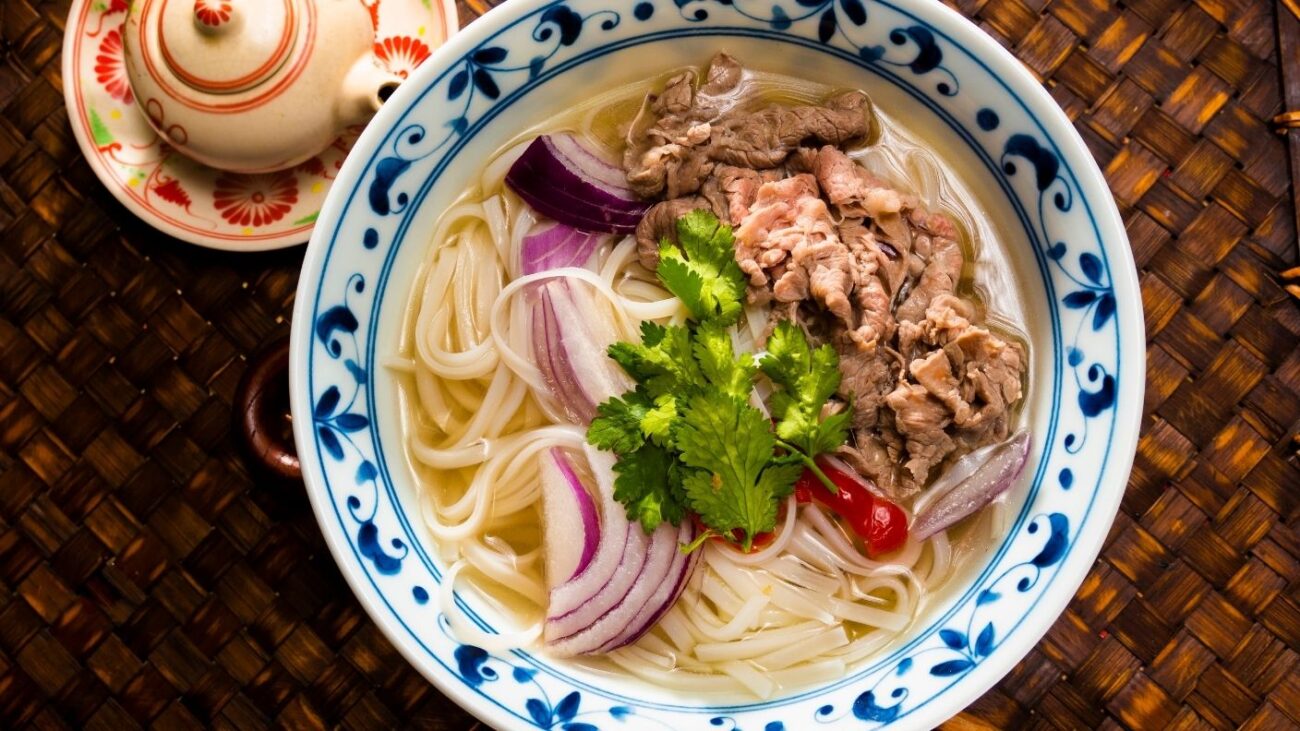
This is the dish most people think they already know, but tasting it in Hanoi is a different experience entirely. Northern-style phở features a clear, delicate beef broth simmered for hours with star anise, cinnamon, and charred ginger, poured over silky flat rice noodles and thin slices of beef.
It is served simply, without the towering herb plates you get in the south, letting the broth do all the talking.
Phở Bát Đàn on Bat Dan Street is a self-serve, no-frills institution where you queue, carry your own bowl, and eat with strangers. It is as authentically Hanoi as anything gets.
Phở Thin on Lo Duc Street takes a different approach, stir-frying the beef in garlic before adding it to the broth for a smokier, more intense bowl.
Bún Chả — Northern Vietnam, Hanoi
This is the dish that made global headlines when Barack Obama and Anthony Bourdain sat down to eat it together at a plastic table for six dollars.
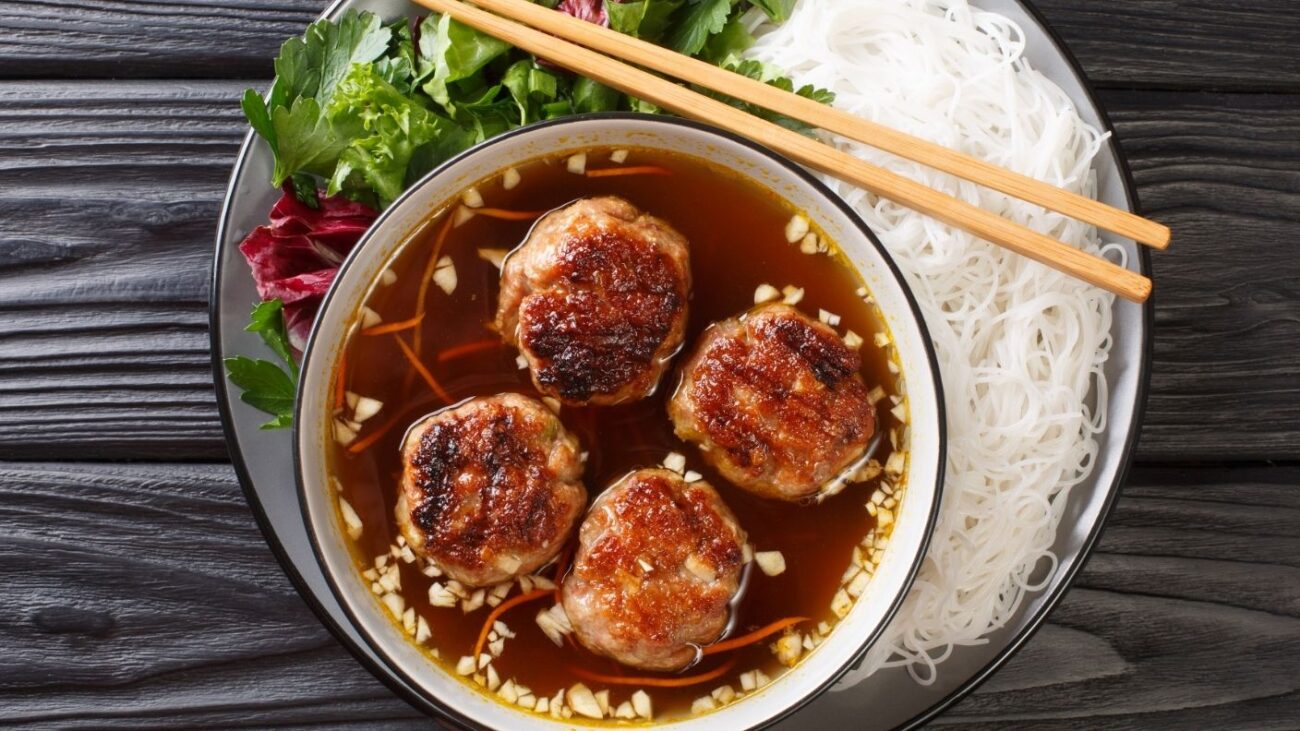
Grilled pork patties and slices of marinated pork belly are cooked over charcoal until golden and slightly smoky, then served in a bowl of tangy, sweet fish sauce broth alongside cold rice vermicelli noodles and a mountain of fresh herbs. You dip, you scoop, you repeat.
Bún Chả Hương Liên on Le Van Huu Street still serves the Obama Combo, the preserved table is still there under glass, and the bún chả is still worth every bit of the hype.
For a less touristy alternative, Bún Chả 41 Cửa Đông in the Old Quarter draws mostly locals and is perpetually packed from open to close.
Egg Coffee (Cà Phê Trứng) — Northern Vietnam, Hanoi
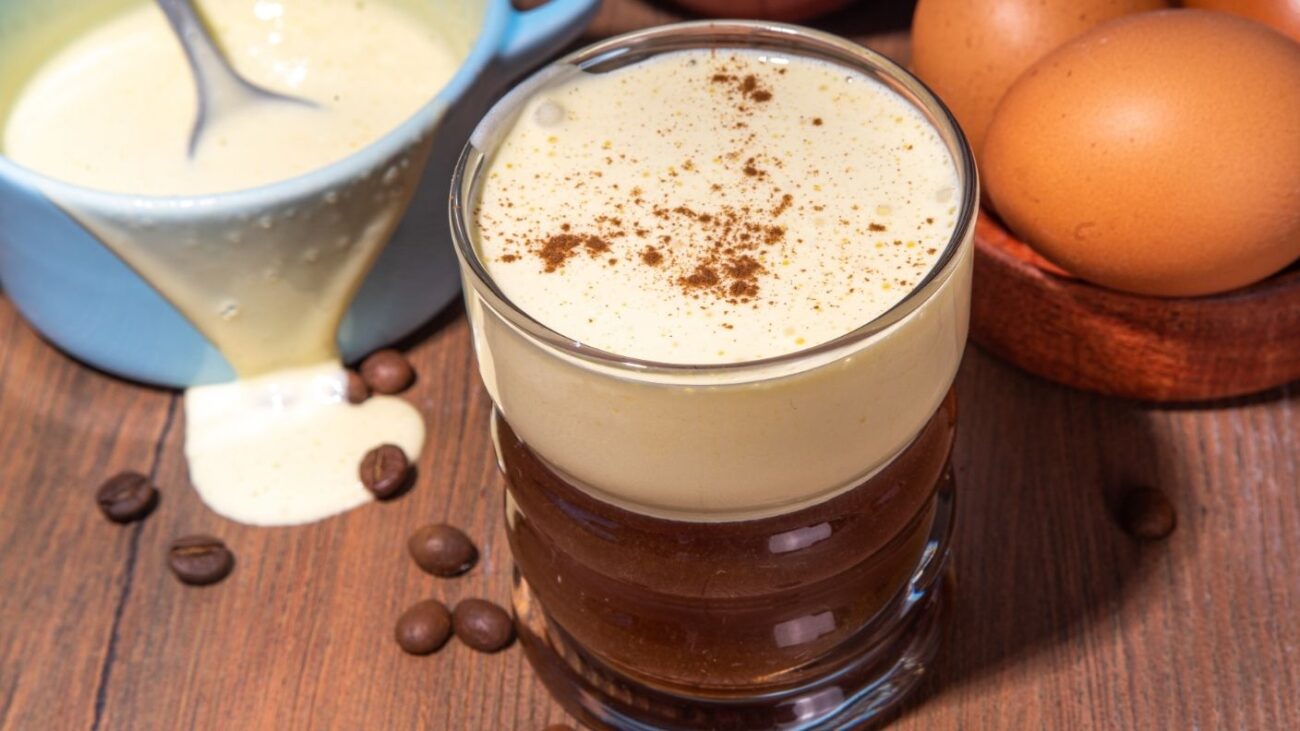
This one sounds wrong until you taste it, and then you will spend the rest of your trip ordering another. Egg yolks and condensed milk are whisked into a thick, silky cream and spooned over a small cup of strong Vietnamese robusta coffee.
The result tastes remarkably like liquid tiramisu, sweet and rich on top, dark and bitter underneath.
Café Giang on Nguyen Huu Huan Street is where it all began, tucked down a narrow alley and buzzing by 9am on cold mornings. Café Dinh on Dinh Tien Hoang overlooks Hoan Kiem Lake from a dark, atmospheric balcony and keeps its prices impossibly low. Both are essential.
Bánh Mì — Central Vietnam, Hoi An
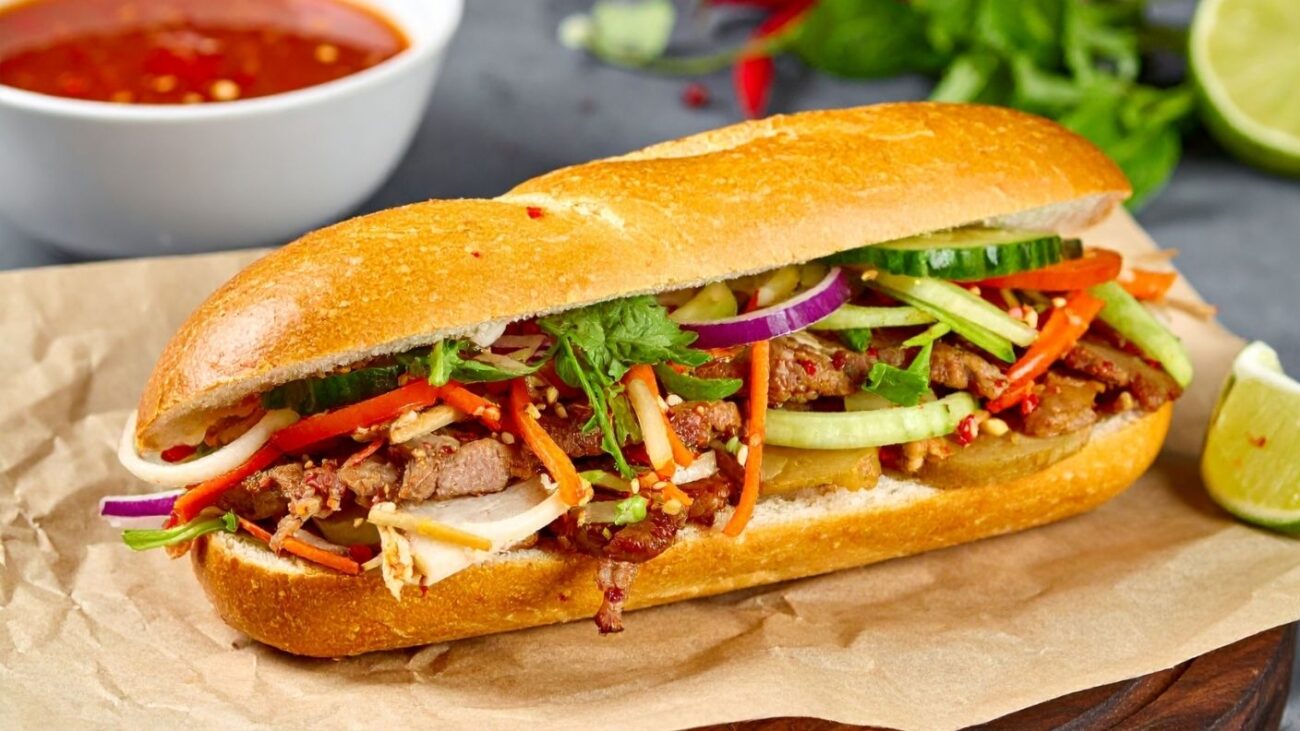
The bánh mì exists all over Vietnam, but something different happens to it in Hoi An. A crispy, airy baguette, lighter than its French ancestor thanks to a blend of rice flour, is packed with layers of grilled pork, silky pâté, Vietnamese sausage, pickled daikon and carrot, fresh herbs, cucumber, and a slick of chili sauce. All five tastes — sweet, sour, salty, bitter, spicy — land in a single bite.
Madam Khanh, known as The Banh Mi Queen, has been making hers for over four decades on Tran Cao Van Street.
Bánh Mì Phương on Phan Chau Trinh, made famous by Anthony Bourdain on ‘No Reservations,’ still has a queue that spills onto the street for most of the day.
Cao Lầu — Central Vietnam, Hoi An
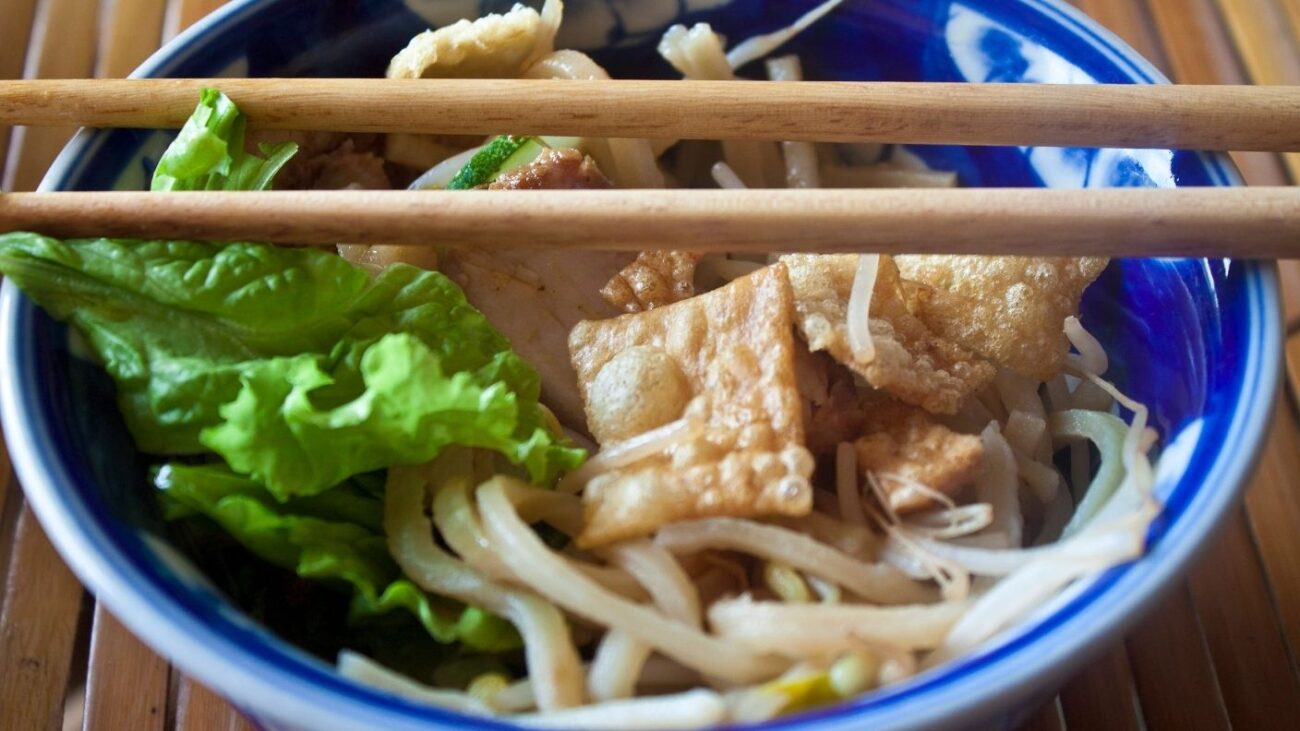
This dish belongs entirely to Hoi An, and authentic versions are technically impossible to replicate anywhere else because the thick, chewy rice noodles must be made with water drawn from an ancient local Cham well called the Ba Le Well.
The noodles are topped with slices of Chinese barbecued pork, crispy fried pork cracklings, bean sprouts, and fresh herbs, with just enough spiced broth to coat everything rather than flood it.
Cao Lầu Bà Chi on Tran Phu Street is a locals’ favourite, set on a quiet sidewalk with plastic stools. White Rose Restaurant on Tran Quang Khai is also beloved, serving both cao lầu and its own invented specialty, the delicate white rose dumplings.
Bún Bò Huế — Central Vietnam, Hue
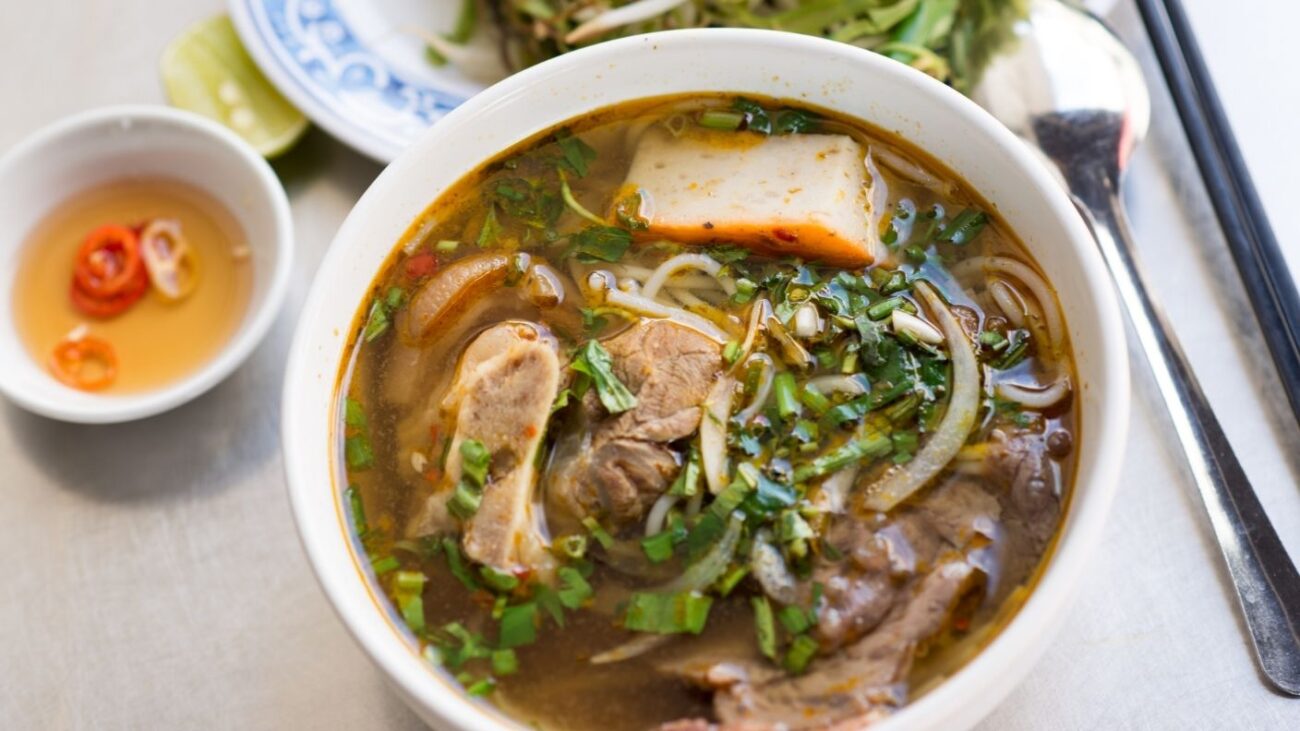
Phở has the fame but bún bò Huế has the fire. This thick, intensely flavored beef noodle soup from Vietnam’s former imperial capital is built on a broth simmered with lemongrass and shrimp paste, deep red from chili oil, and loaded with sliced beef shank, pork knuckle, and rounds of Vietnamese sausage.
The noodles are round and chewy, nothing like the flat ribbons in phở.
Quán Bún Bò Huế on Ly Thuong Kiet Street in Hue is one of the most-recommended spots in the city. Bún Bò Bà Nga on Nguyen Chi Dieu, a favourite among locals rather than tourists, is open from late afternoon into the night and serves one of the most consistently praised bowls in the city.
Mì Quảng — Central Vietnam, Da Nang and Quang Nam Province
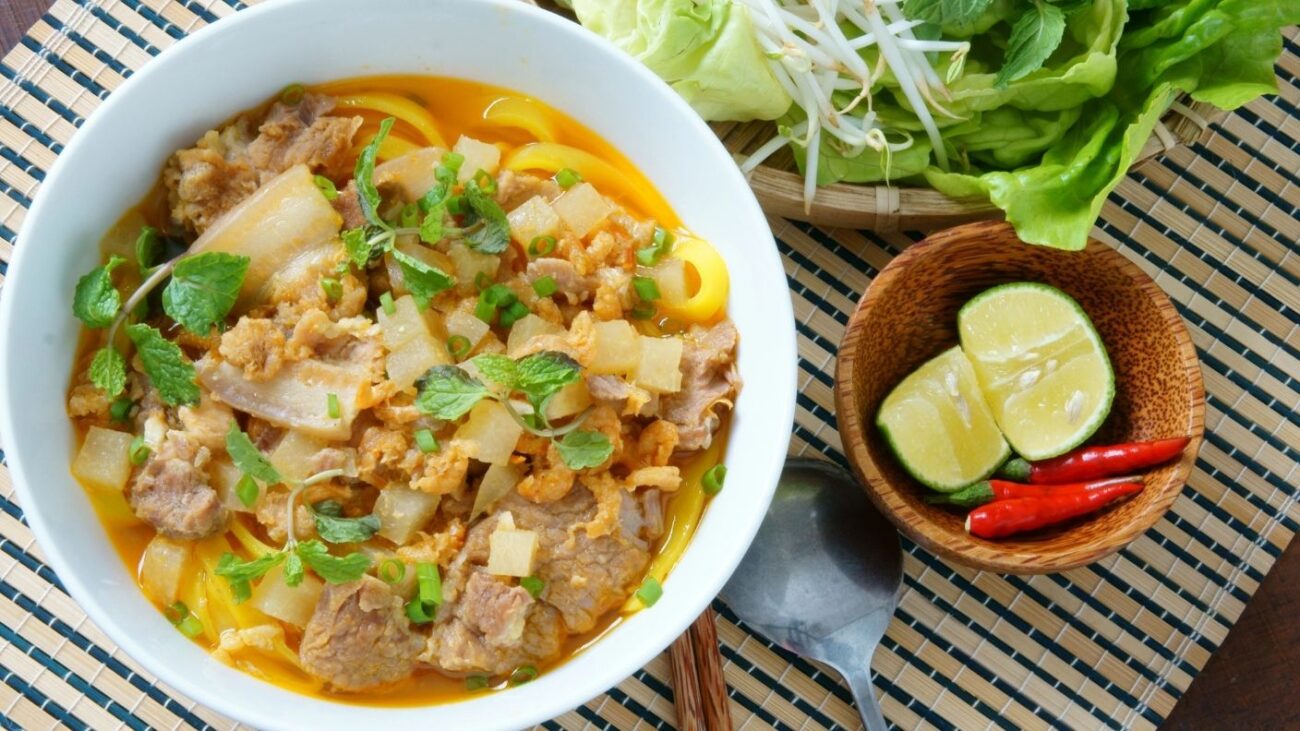
This is part noodle soup, part salad, and it refuses to be either. Thick, turmeric-yellow noodles sit in just enough broth to season them rather than submerge them, topped with shrimp, pork, peanuts, fresh herbs, banana blossom slices, and a large crispy rice cracker for crunch.
It is deeply satisfying in a way that takes a moment to understand.
Quan Mi Quang Ba Mua on Nguyen Tri Phuong in Da Nang is a well-regarded local spot. If you are in Hoi An, Mi Quang Ong Hai on Truong Minh Luong Street is another reliable address, with the dish tasting noticeably better when you are in the region it calls home.
Bánh Xèo — Southern Vietnam, Ho Chi Minh City
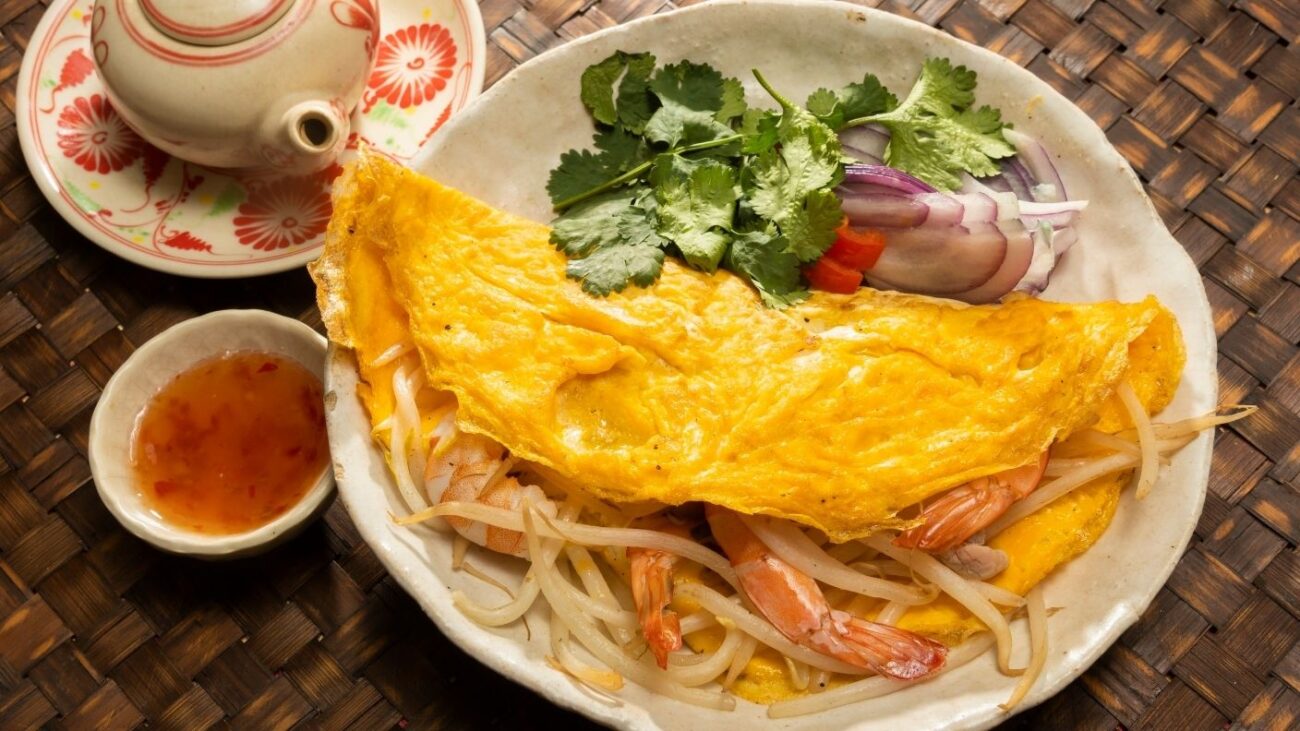
The name means “sizzling cake” and refers to the sound the batter makes when it hits the hot pan. A crispy, turmeric-yellow rice flour and coconut milk crepe is filled with shrimp, sliced pork, and bean sprouts, then folded like an omelette and served with a pile of lettuce leaves and fresh herbs for wrapping.
You tear off pieces, wrap them in greens, and dip the whole thing into nước chấm.
Quán Bánh Xèo 46A on Dinh Cong Trang Street in District 1 is the spot Anthony Bourdain visited and it remains a classic.
Bánh Xèo Bà Dưỡng on Hoang Dieu in Da Nang is also legendary in central Vietnam, beloved by locals for its extra-crunchy batter.
Cơm Tấm — Southern Vietnam, Ho Chi Minh City
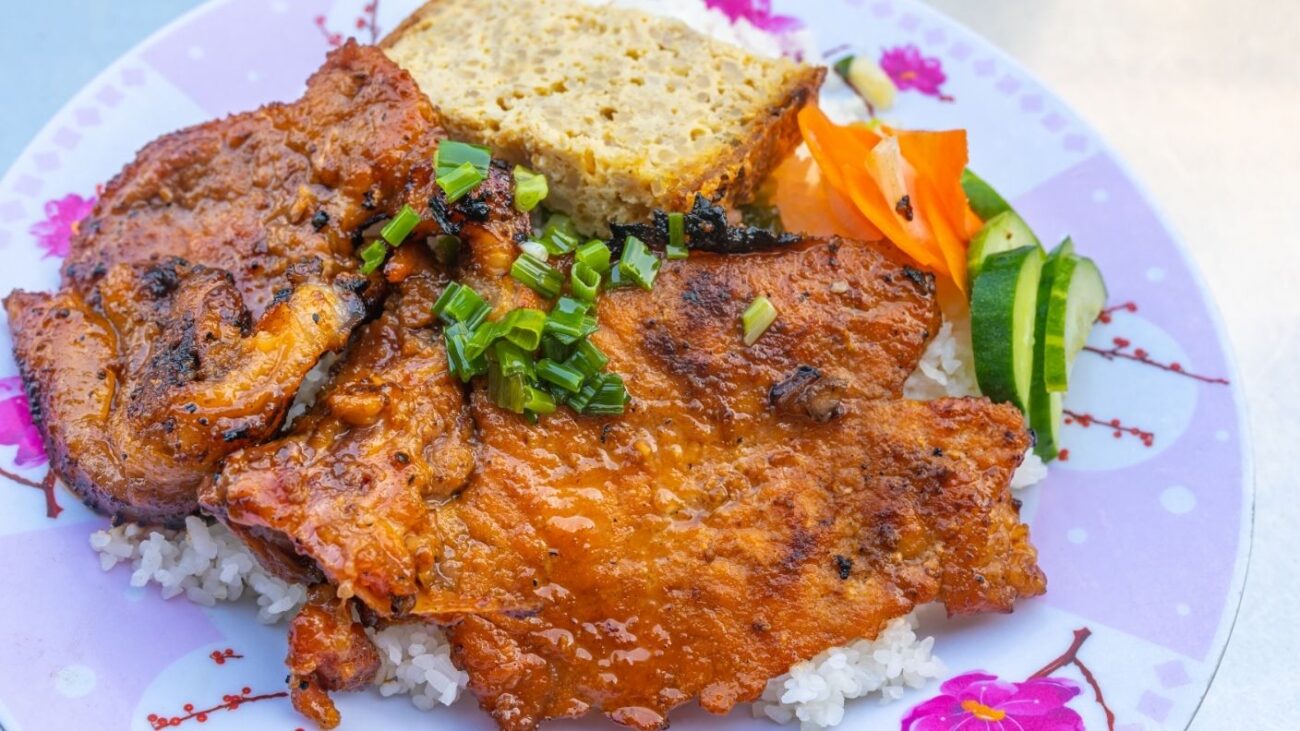
Broken rice, the fractured grains that farmers once couldn’t sell, became one of Saigon’s most beloved dishes.
The plate arrives heaped with smoky caramelized grilled pork chop, a fried egg, shredded pork skin, pickled vegetables, and a drizzle of green onion oil, all bound together with nước chấm. It is eaten at all hours of the day but is especially beloved as a morning meal.
The most authentic versions are found at small family stalls throughout Ho Chi Minh City. A well-known family stall on Vo Van Tan Street in District 3 is often cited as a reference point. Wander any residential neighborhood in Saigon around breakfast time and follow the smell of charcoal.
Gỏi Cuốn (Fresh Spring Rolls) — Southern Vietnam, nationwide
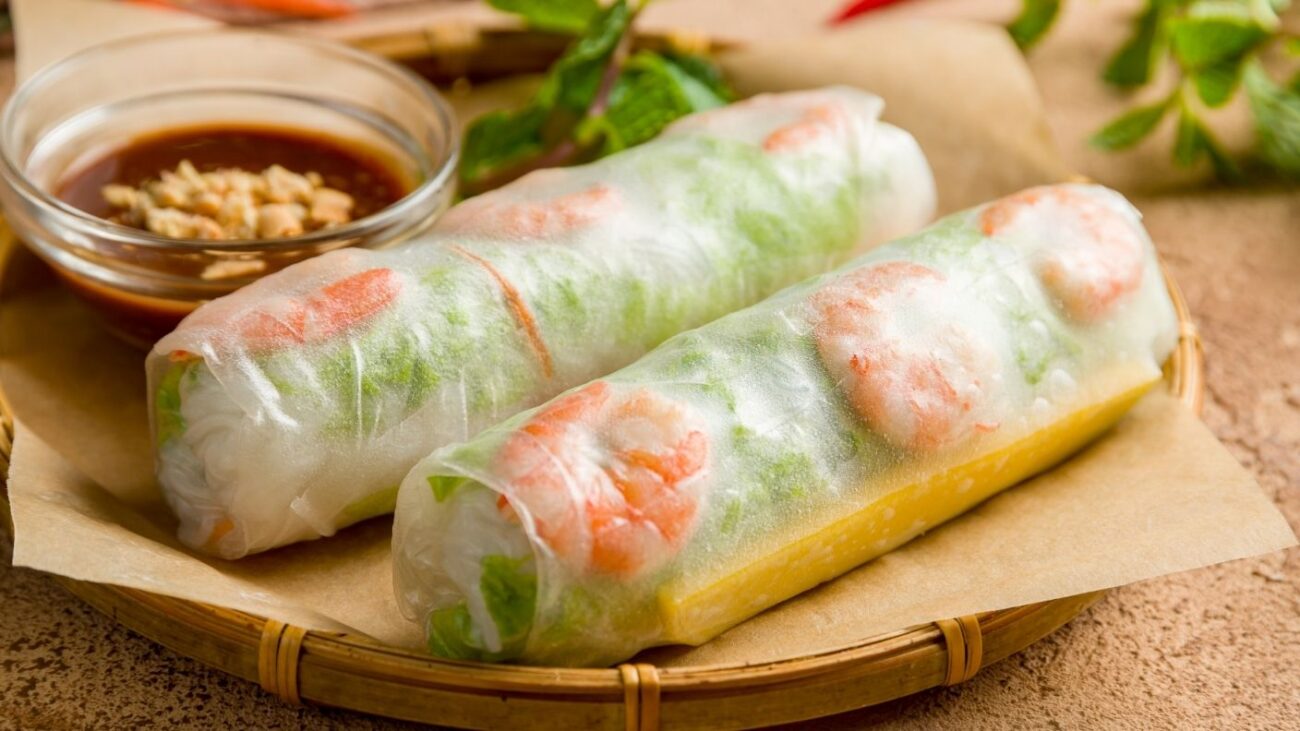
These are not the fried rolls you might be thinking of. Translucent rice paper is wrapped tightly around pork, shrimp, rice vermicelli, fresh herbs, and a stalk of garlic chive, creating a cool, refreshing roll that is almost entirely about texture and freshness.
Dip them into hoisin or nước chấm (Vietnamese sweet and sour dipping sauce made from fish sauce, water, sugar, and lime juice.). They disappear quickly.
Quan An Ngon on Phan Boi Chau Street in Hanoi is a sprawling restaurant that serves excellent versions alongside dozens of other Vietnamese classics. Fresh spring rolls are also found at virtually every market and street food stall across the south.
Cha Ca La Vong — Northern Vietnam, Hanoi
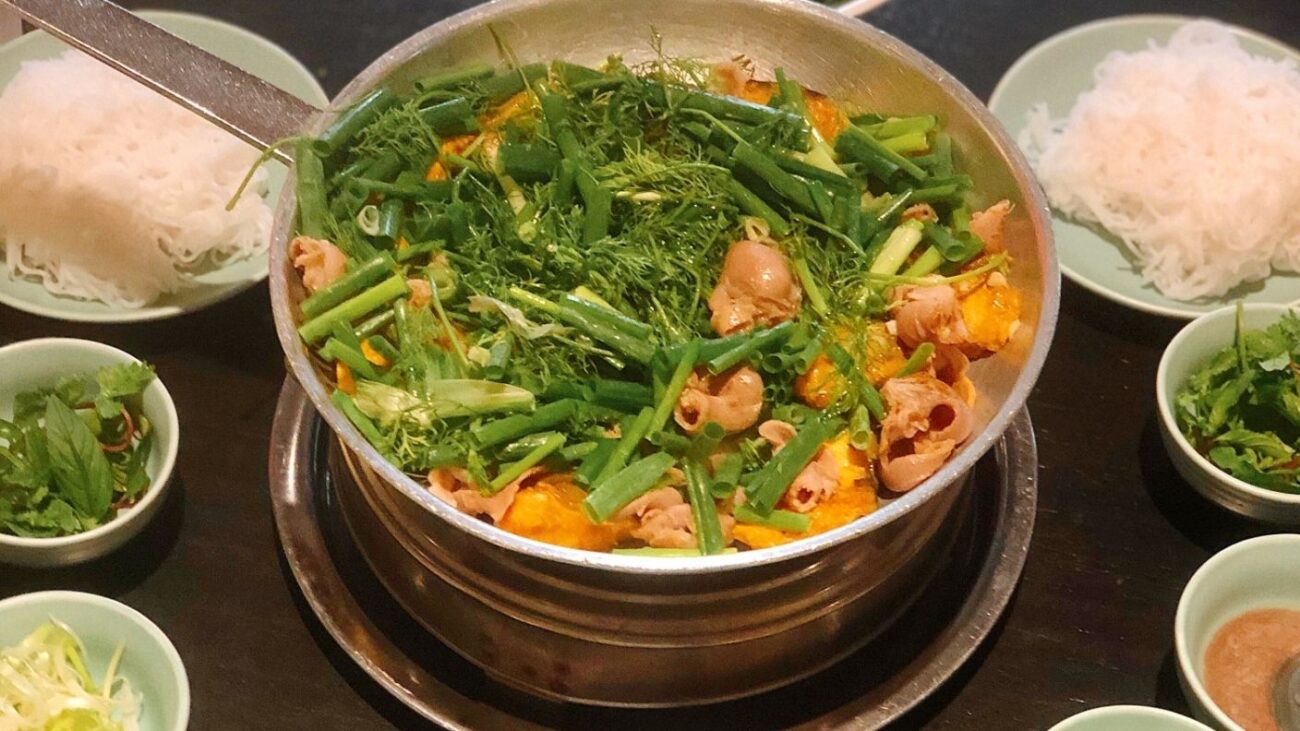
This is one of Hanoi’s most singular dishes, once reserved for the wealthy and now a proud northern obsession.
Catfish is marinated in turmeric and galangal, then cooked tableside in a sizzling pan with dill and spring onions, filling the room with a warm, fragrant cloud. It is served with rice vermicelli, roasted peanuts, and shrimp paste for depth.
Cha Ca La Vong on Cha Ca Street in the Old Quarter is the original, named after the dish itself, and has been serving this single specialty for generations. The room is simple, the ritual is everything, and you will not find anything quite like it anywhere else in the country.
Vietnam rewards the curious eater more than almost any destination on earth. The further you wander from the tourist trail, and the lower the plastic stool, the better the food tends to get.
