


Traveling to Portugal? Don’t Leave Without Trying These Dishes

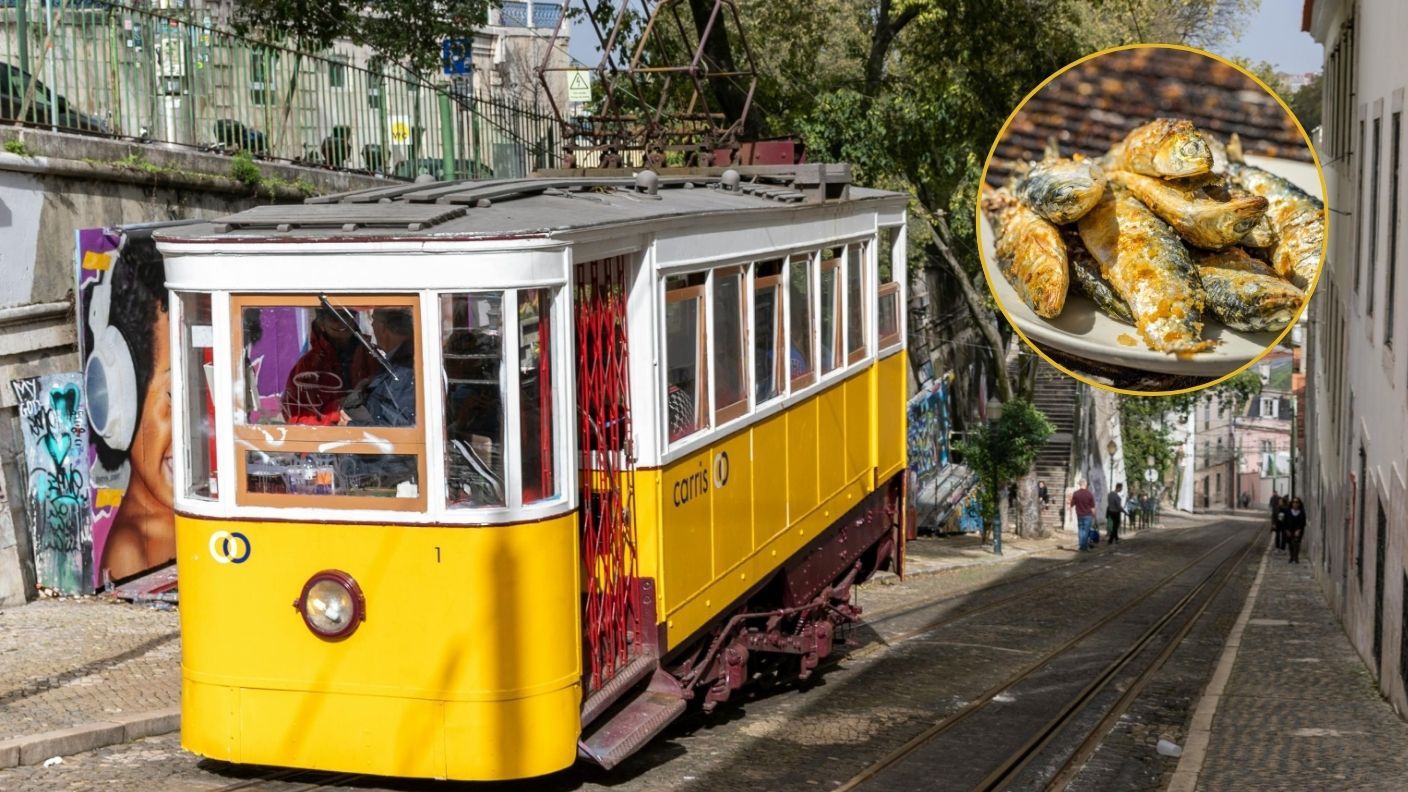

Portugal is one of those countries where every meal feels like a small celebration. The food is bold, honest, and deeply rooted in centuries of history. Whether you are wandering through Lisbon, exploring Porto, or driving through the Alentejo countryside, the plates coming out of local kitchens will stop you in your tracks. Here is what to order before you even think about heading home.
Pastel de Nata

This is the one everyone has heard of, and somehow it still manages to exceed expectations. Portugal’s famous egg custard tart has a history dating back to the 18th century in Lisbon, and the best ones are found in Belém, where the original recipe has never changed.
The secret is in the contrast, a slightly charred, flaky crust wrapped around a silky, barely-set custard center. Eat it warm, dusted with cinnamon, while standing at the counter like a local.
Bacalhau à Brás

Cod is practically a religion in Portugal. Portugal’s affinity for cod goes back centuries, stemming from the Age of Discoveries when Portuguese sailors reached Newfoundland and first encountered the fish, curing it with salt to preserve it on long voyages.
The most beloved preparation is Bacalhau à Brás, combining shredded cod with onions, fried potatoes, and eggs into something rich, creamy, and deeply satisfying. Locals will tell you there are more cod recipes than days in the year.
Francesinha
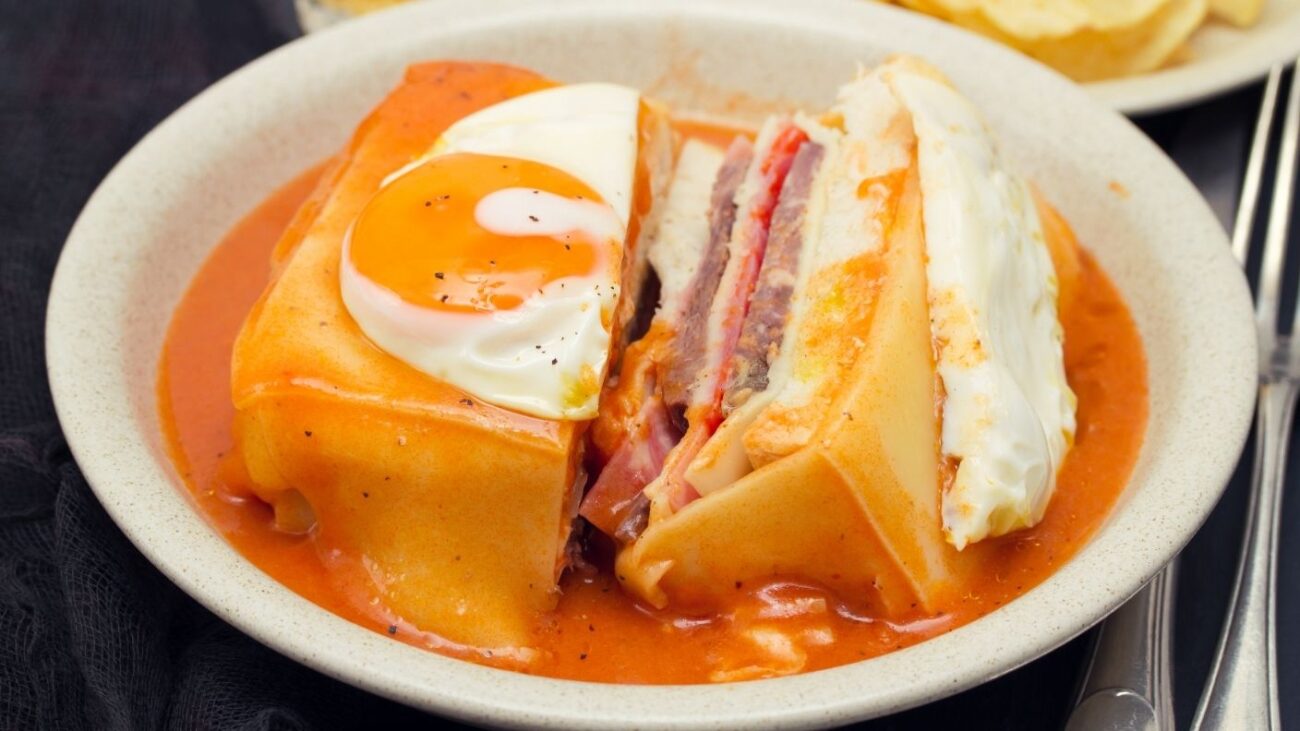
Porto has its own love language, and it comes smothered in sauce. The francesinha is a layered sandwich with bread, ham, Portuguese smoked sausage, thin steak, melted cheese, and a rich tomato and beer gravy poured over the top, often finished with a fried egg.
It is excessive in the best possible way. If you were to have just one dish in Porto, this should definitely be it, and the legendary Café Santiago is the place most locals will send you.
Caldo Verde
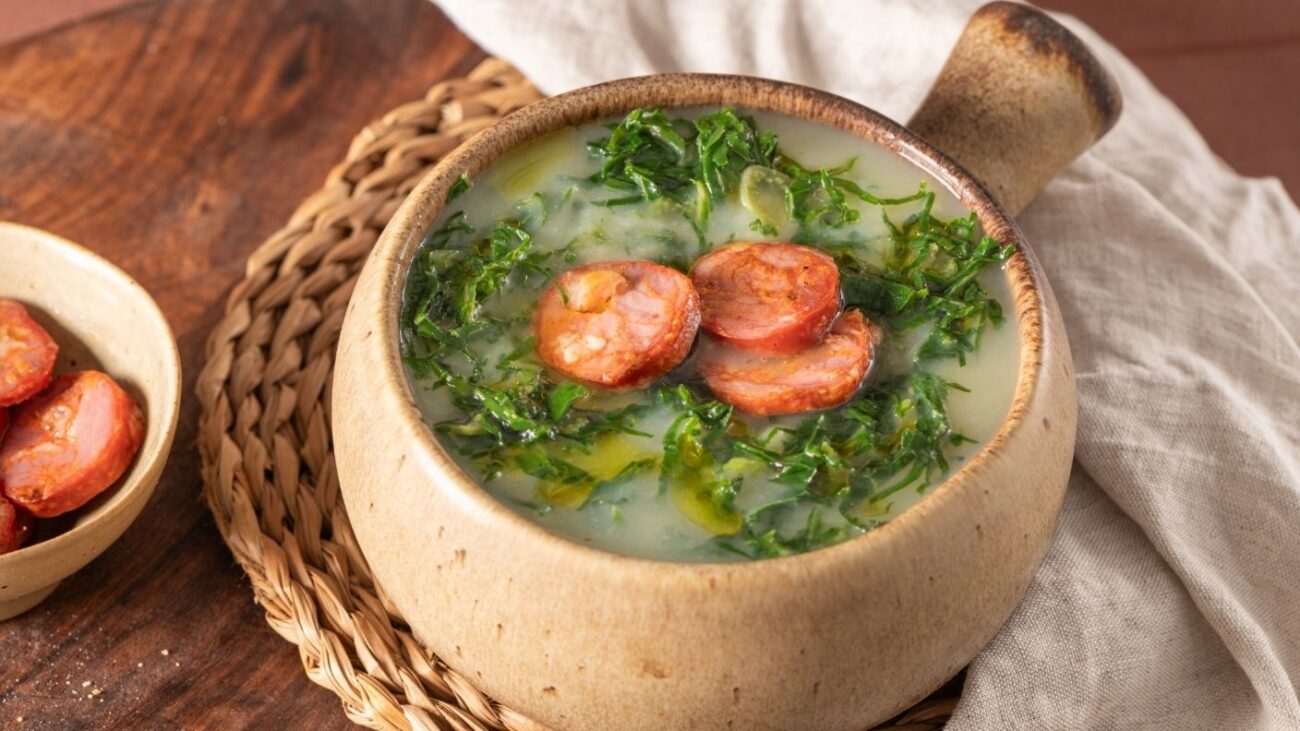
This humble green soup is the kind of dish that wraps around you like a warm blanket. The plate consists of collard greens shredded and cooked in a garlic-infused broth, often with a slice of chouriço sausage inside for even more flavor, and it is said to have originated in Portugal’s lush, green north, in Minho.
Caldo Verde represents the simplicity and warmth of Portuguese home cooking, and it is the kind of dish that makes you understand why Portuguese grandmothers are considered national treasures.
Bifana
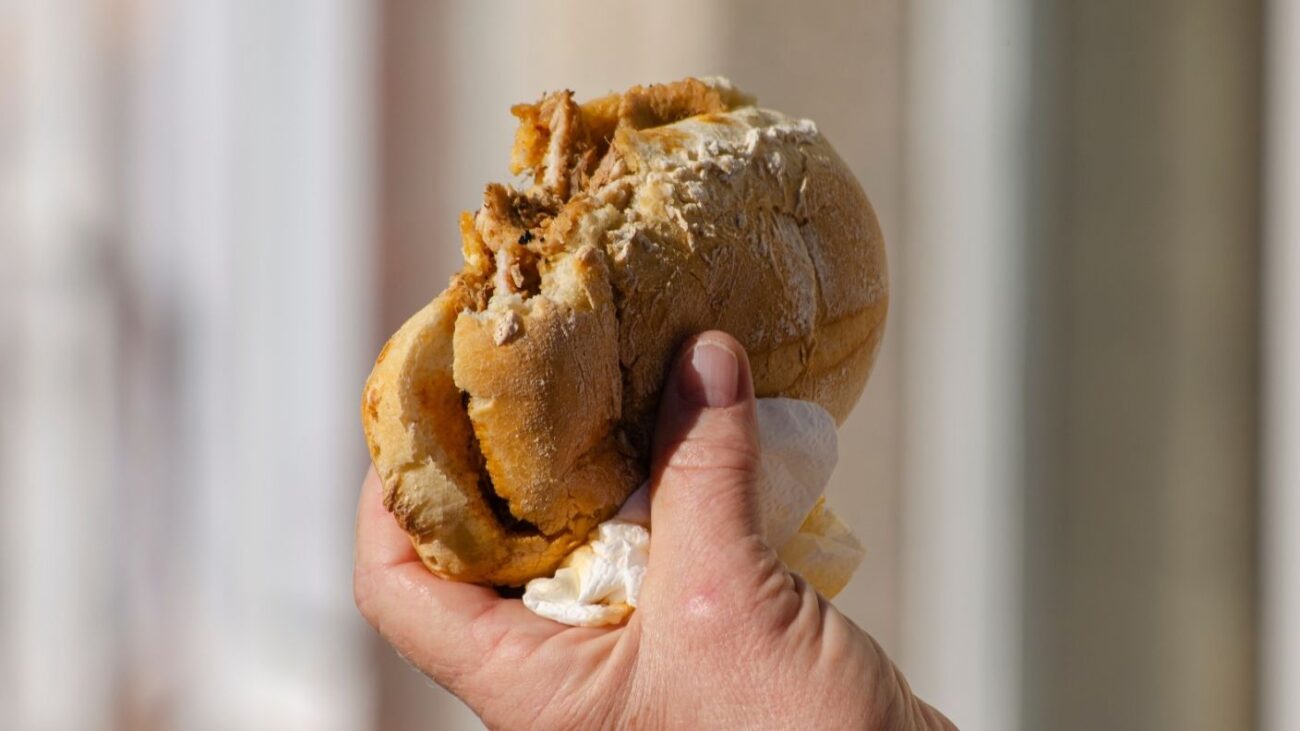
Sometimes the best things come on a bread roll. Bifanas are traditional Portuguese sandwiches made with thin slices of pork, marinated in a garlicky white wine sauce, served on a warm, soft roll, and in their most classic version they come with a dash of mustard.
You can grab one from a roadside stall or a market, and it will cost almost nothing. It is one of those bites that you will think about for years after the trip ends.
Carne de Porco Alentejana
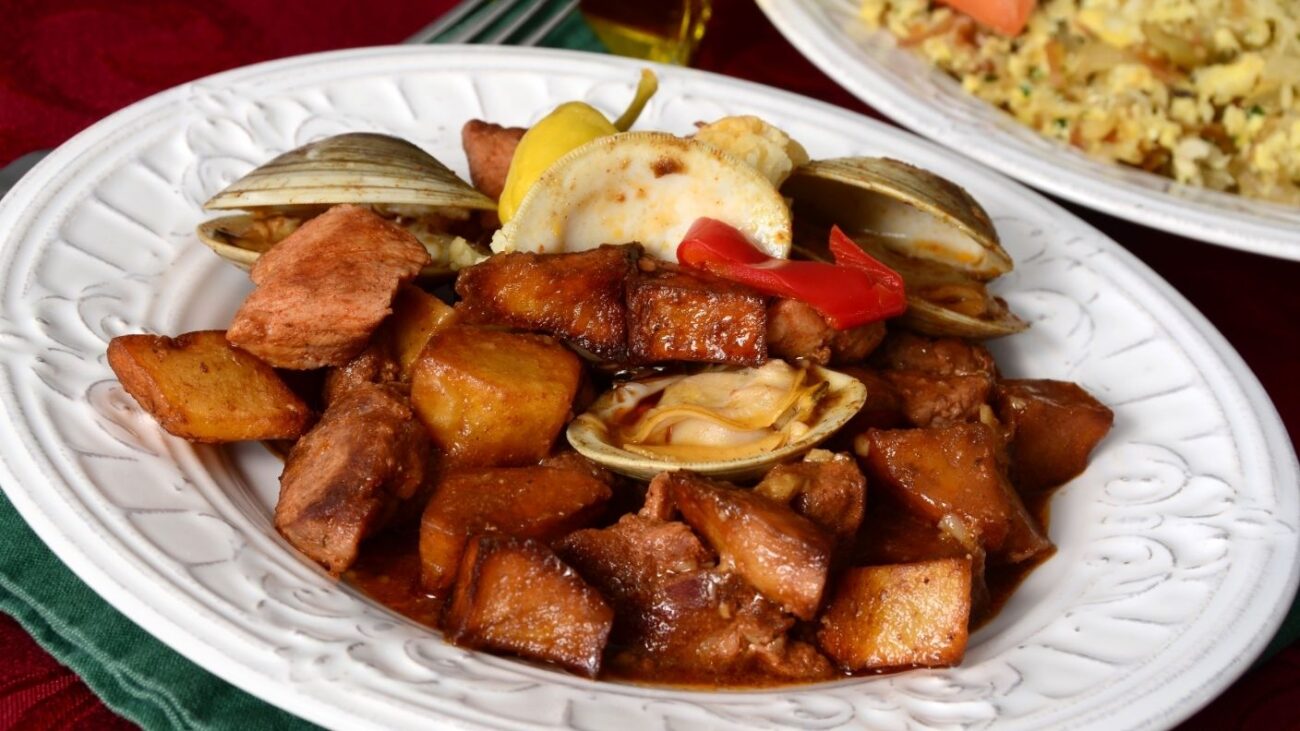
Portugal’s version of surf and turf is stranger and more brilliant than anything you would expect. Great mounds of pork and clams are tumbled in a mixture of paprika, garlic, bay leaf, and coriander, and when the clams open up, their salty juices trickle onto the pork in the most glorious way.
The dish originates from the Alentejo region and is renowned as a comforting, satisfying dish that showcases the bold flavors of the area. The pork and clam combination sounds odd until the first bite, and then it makes complete sense.
Grilled Sardines
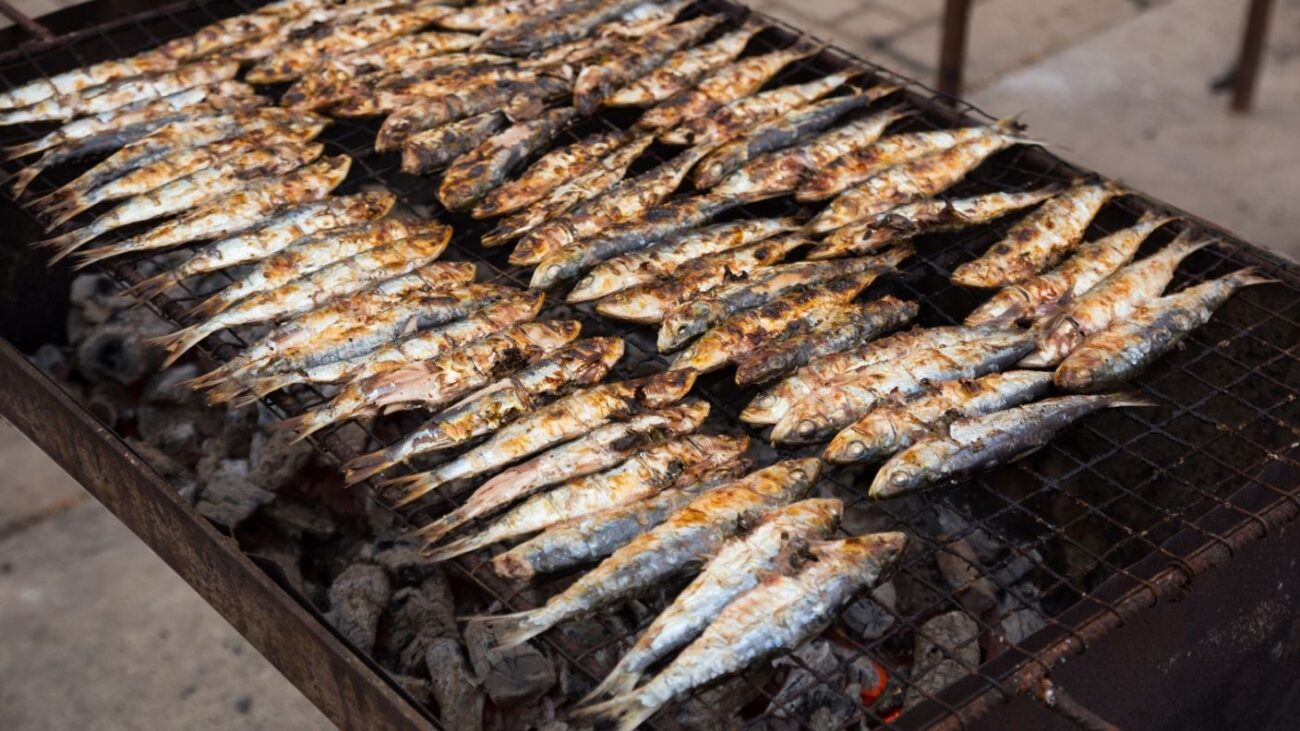
In summer, the smell of grilling sardines drifting through Lisbon’s old neighborhoods is enough to make anyone stop walking. The irresistible scent fills the air in the more traditional neighborhoods during the festive season, and eating them the local way means ordering a sardine on a slice of cornbread.
Sardines are rich in calcium, B12, and omega-3, but honestly, nutrition is the last thing on your mind when one of these arrives at your table, charred and glistening.
Leitão
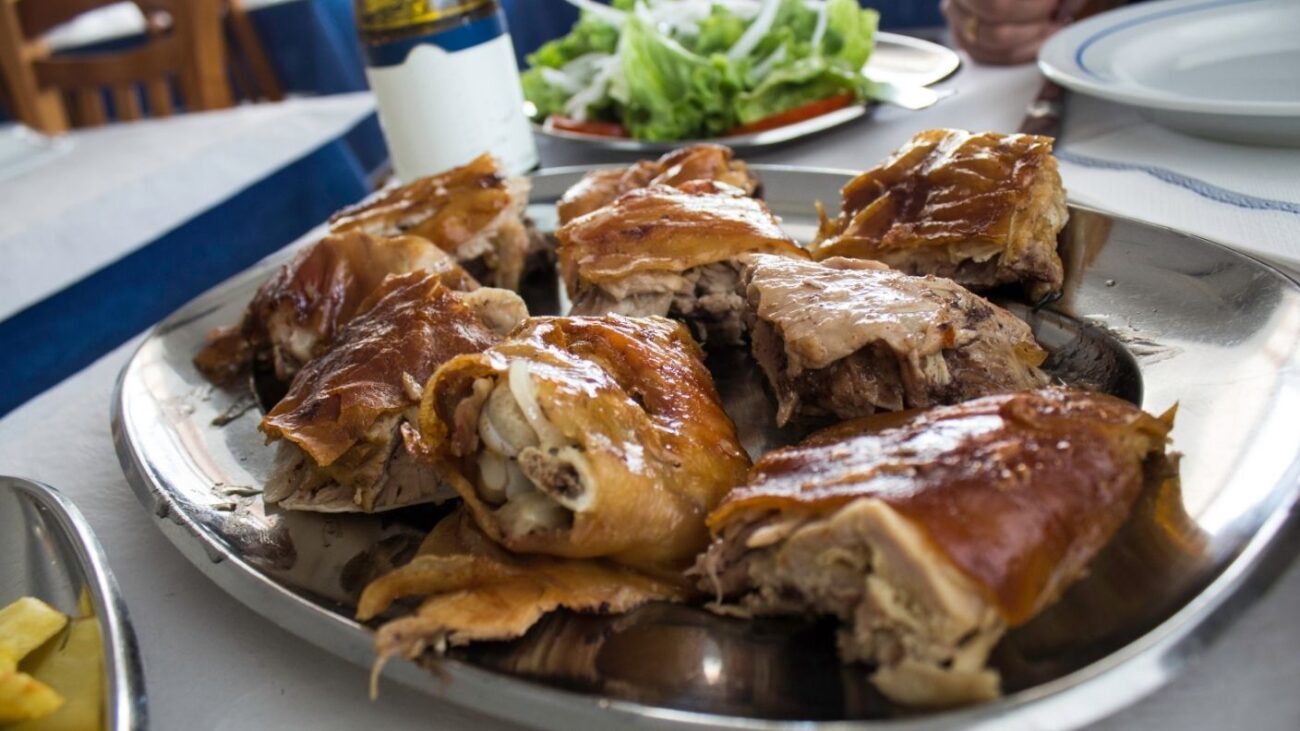
This one is a celebration on a plate. Leitão, or suckling pig, is prepared from a young piglet marinated in a mixture of garlic, bay leaves, lard, and white wine before being slowly roasted in a wood-fired oven, resulting in succulent, tender meat encased in golden, crispy skin that crackles with each bite.
Many food lovers travel specifically to Mealhada, the so-called Capital of Leitão, for the most authentic experience, where the dish is treated with something close to reverence. It is worth planning your route around it.
Alheira

This sausage has one of the most fascinating origin stories in all of European food. Alheira was created in the 15th century when Jewish communities in Portugal were forced to convert to Christianity, so they made sausages out of bread, garlic, and poultry instead of pork, shaping them to look like pork sausages so no one would question their faith.
What began as a survival dish became a staple of traditional Portuguese cuisine. Today it is typically pan-fried and served with a fried egg and fries, and it is one of the most uniquely Portuguese things you can put on your fork.
Duck Rice
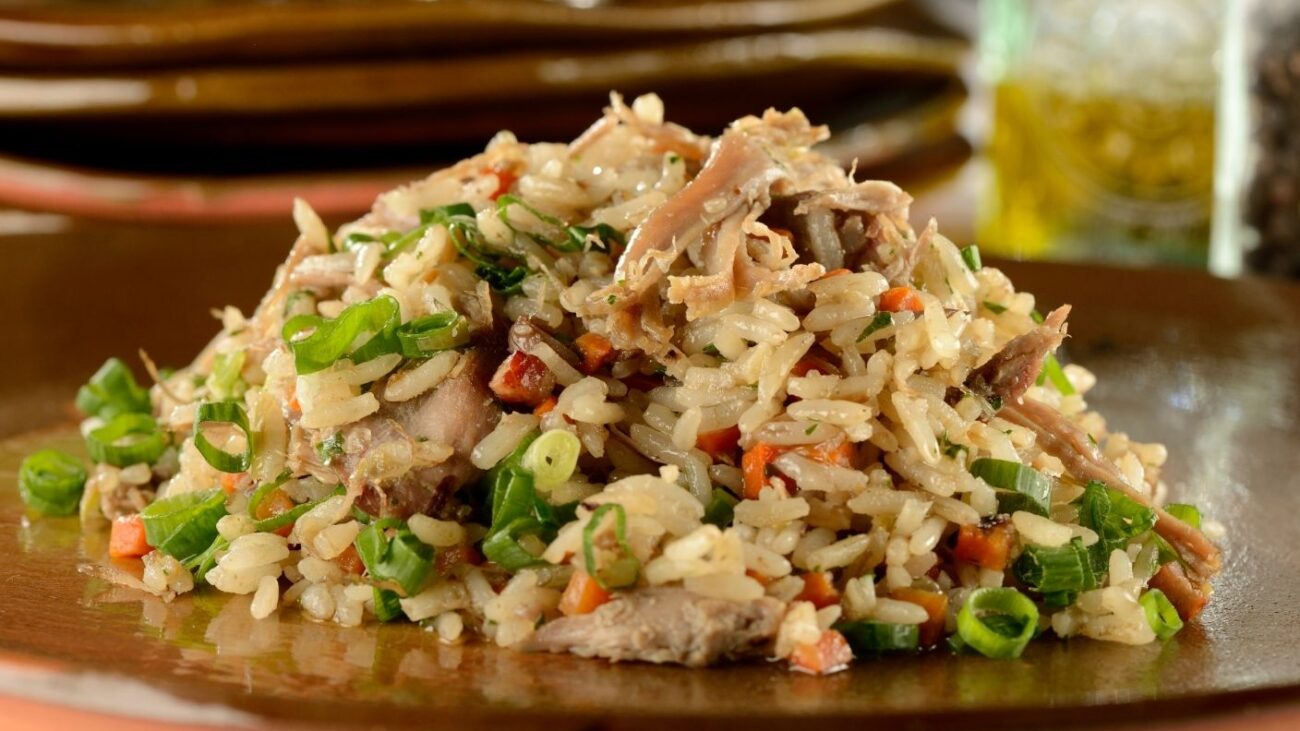
This is the dish that serious food travelers cross the country to find. The boiled and shredded duck is added to a bed of rice cooked in duck stock, onions, and garlic, then baked a bit, garnished with spicy chouriço sausage, and served alongside orange slices, with the dish believed to come from Braga in northwestern Portugal.
It is rich, deeply savory, and the kind of thing that makes you cancel whatever you had planned for the afternoon. Duck rice is considered one of Portugal’s finest meat moments, and one taste will tell you exactly why.
Portugal does not need to try hard to impress at the table. The ingredients are honest, the recipes are old, and the portions are generous. Go hungry, eat slowly, and order one more round of pastéis de nata before you leave.
