


Traveling to Croatia? Here Are the Dishes You Need to Try

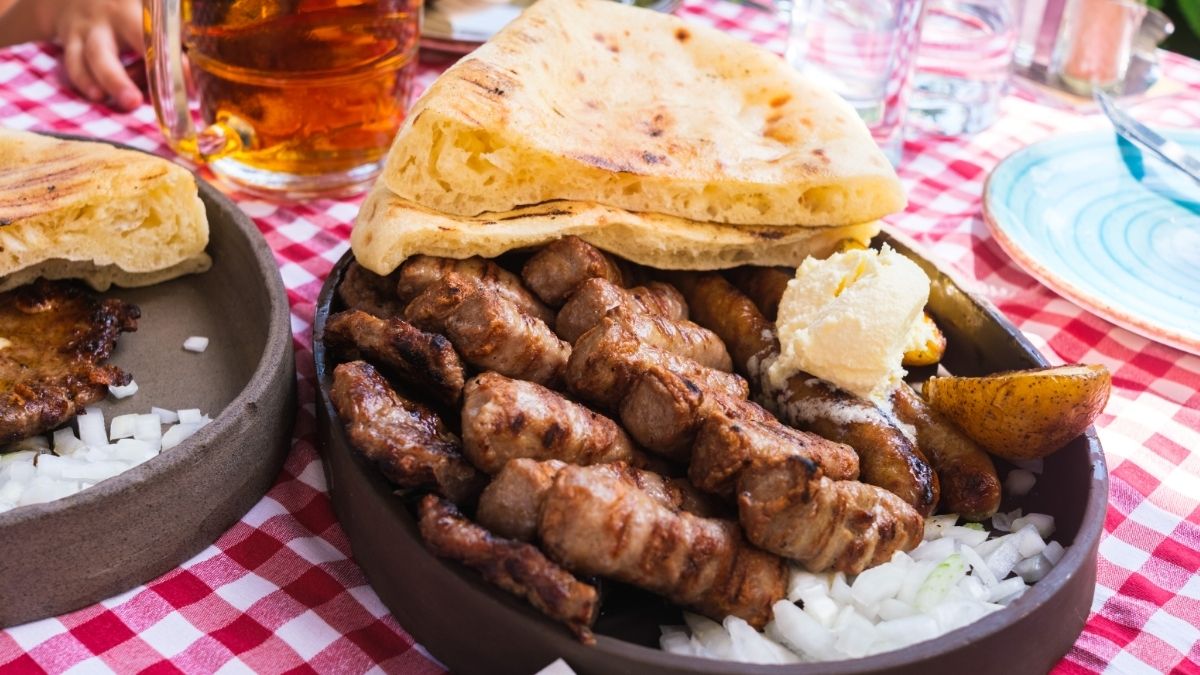

Croatia is one of those rare destinations where the coastline gets all the praise and the food quietly steals the show. From truffle-laden pasta in Istria to slow-smoked sausages in Slavonia, every region has its own culinary identity, and every table tells a different story. Here is where to start.
Peka
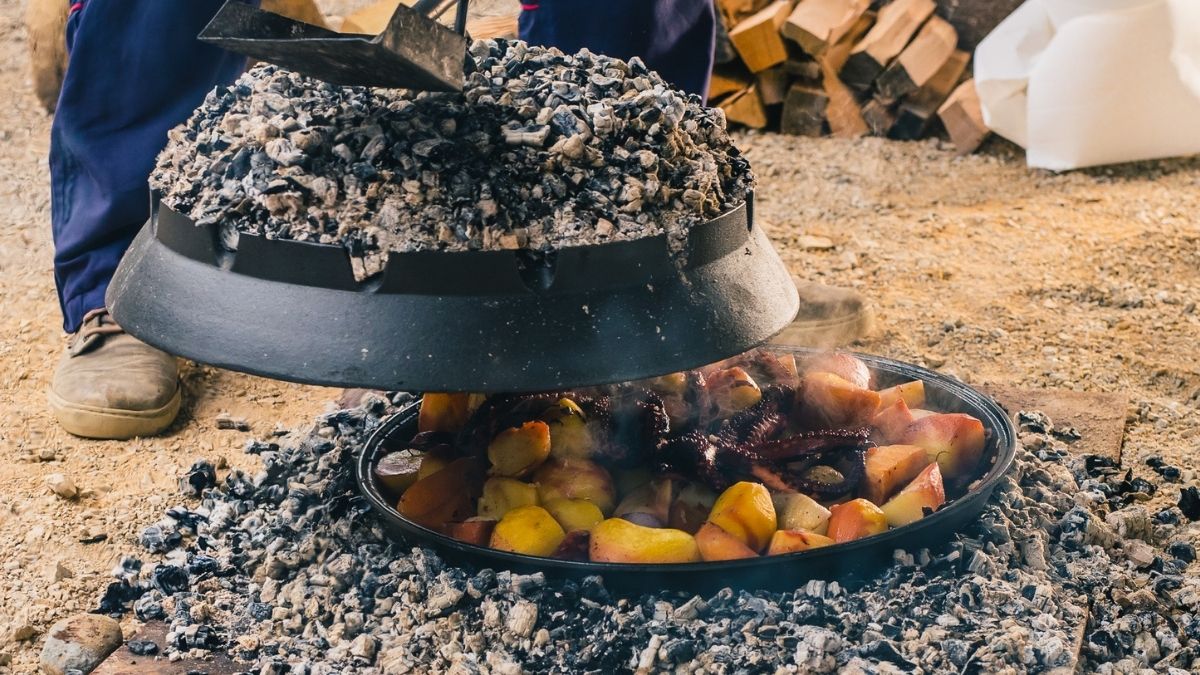
If there is one dish that defines Croatian cooking, it is peka. Meat, usually lamb, veal, or octopus, is placed in a pan with vegetables and olive oil, covered with a heavy iron dome, and buried under hot embers for hours until everything becomes impossibly tender and fragrant.
Most restaurants require at least 24 hours advance notice, so plan ahead. In Split, Konoba Varoš is a beloved spot for it, while on the island of Vis, Roki’s restaurant, set in a 200-year-old family vineyard, is considered one of the best places in Croatia to experience a traditional peka meal.
Crni Rižot
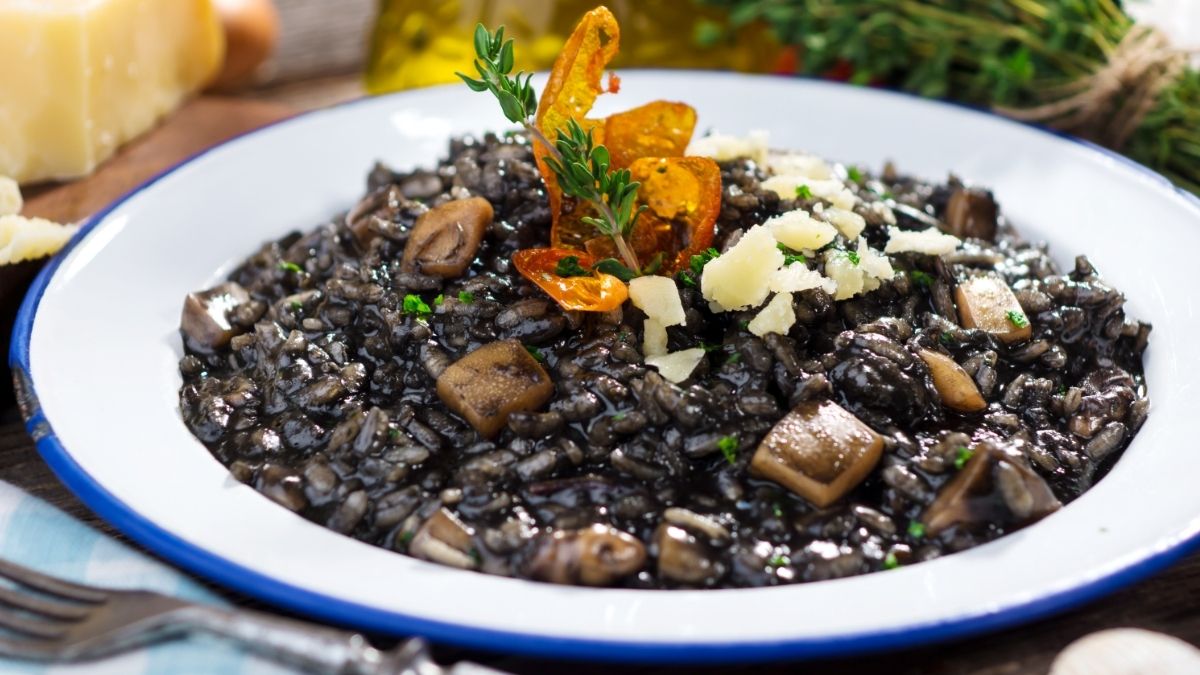
Croatia’s black risotto is one of those dishes that looks dramatic and tastes even better than it looks. Squid or cuttlefish ink turns the rice a deep, almost inky black, while garlic, red wine, and seafood build a rich, briny depth of flavor that is unlike anything you will find elsewhere.
It appears on menus up and down the Dalmatian coast. In Dubrovnik, Lokanda Peskarija serves it at harborside tables in a setting that makes the meal feel like a full event. In Split, Konoba Matejuška is consistently praised by locals for their version.
Fuži with Truffles
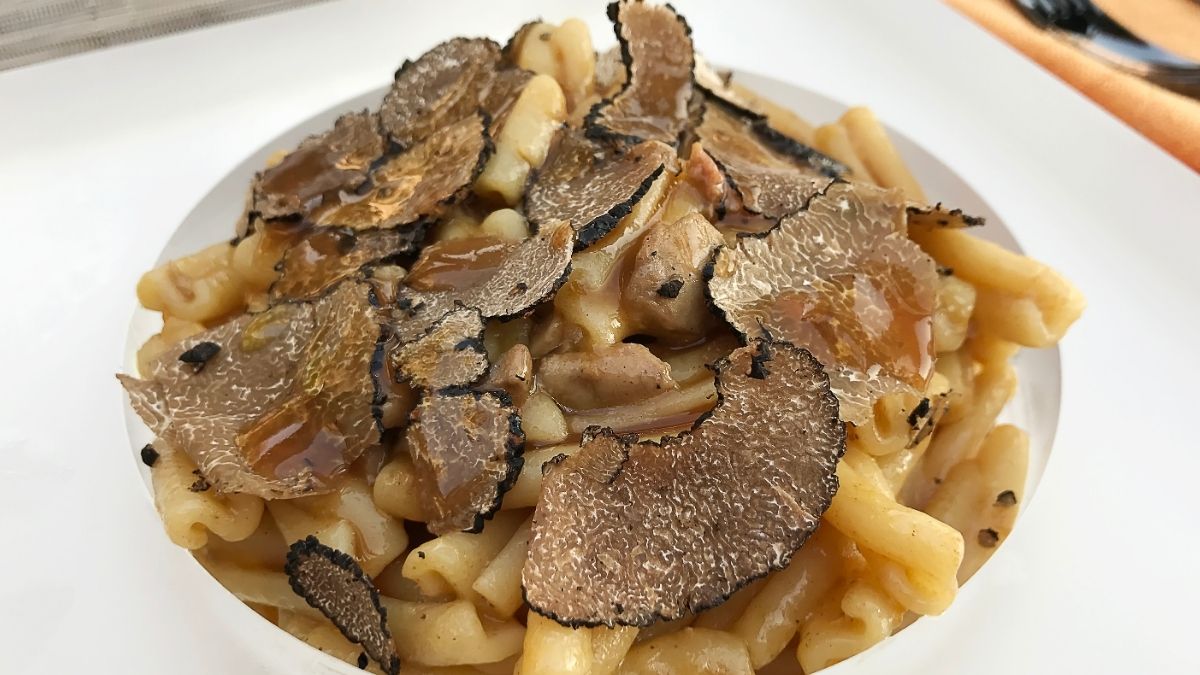
Istria produces some of the world’s finest truffles, and the forests of the Mirna Valley hold some of Europe’s highest concentrations of both black and white varieties. The local hand-rolled pasta, fuži, shaped into hollow quill-like tubes, is the traditional vehicle for them.
Restaurant Zigante in Livade, the heart of Croatia’s truffle region, is one of the most celebrated spots for this dish. For something more rustic, Konoba Toklarija in Istria is a beloved local choice with an atmosphere as memorable as the food.
Pašticada
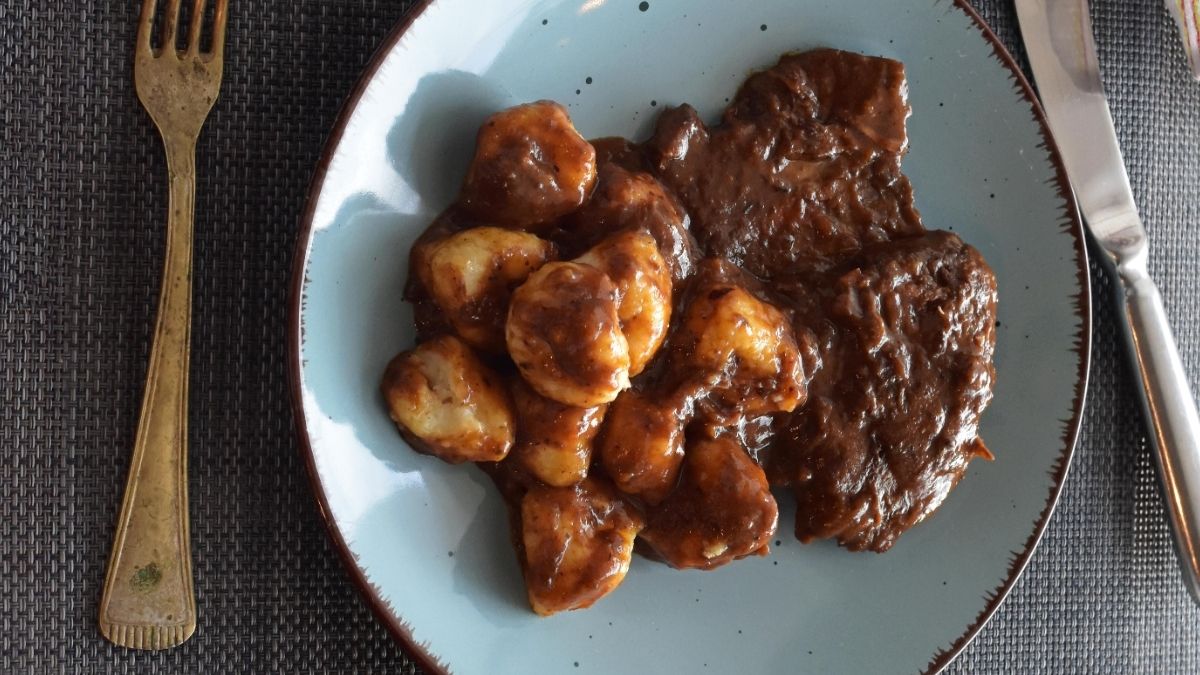
Known in Dalmatia as the queen of festive dishes, pašticada is a slow-braised beef stew marinated overnight in wine and vinegar, studded with garlic and cloves, and simmered for hours in a rich, slightly sweet-sour sauce. It is traditionally served with homemade gnocchi and almost always reserved for weddings, celebrations, and special gatherings.
It takes two full days to prepare properly. In Split, Konoba Kod Hvaranina receives consistent praise for staying true to the traditional recipe and is considered one of the best places in the city to try it.
Kulen
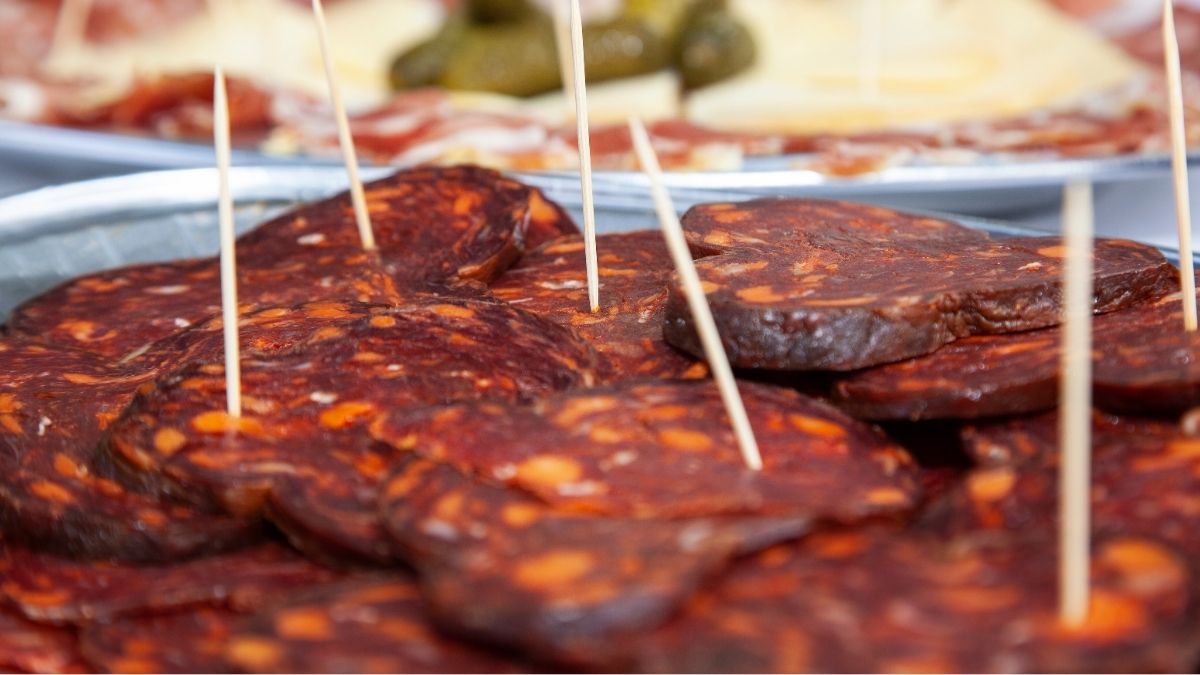
Head inland to Slavonia in eastern Croatia and the food shifts dramatically. Kulen is a dry-cured pork sausage loaded with paprika and garlic, cold-smoked and then aged for several months until the flavors concentrate into something deeply smoky and slightly spicy.
It is best eaten simply, sliced thick with bread and a glass of local red wine. The Požega area in Slavonia is considered the heartland of the best kulen production, and you will find it in almost every traditional restaurant and market in the region.
Paški Sir
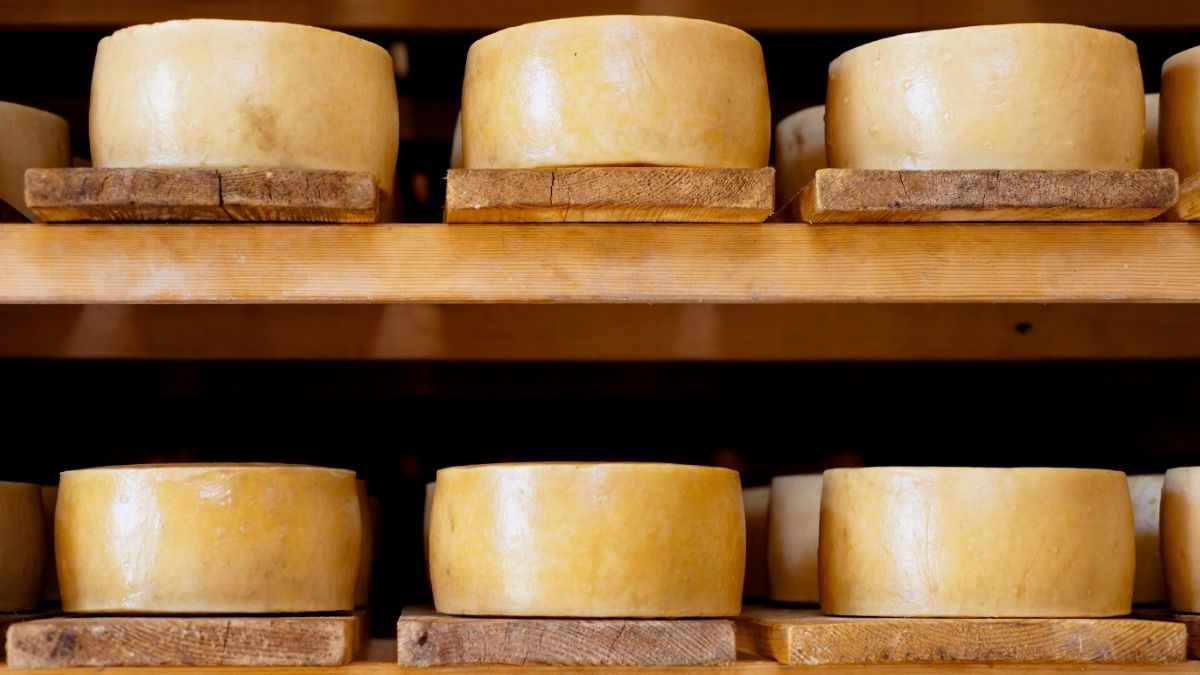
The island of Pag sits in the northern Adriatic, swept by a dry wind called the bura that coats the sparse vegetation in a thin layer of sea salt. The sheep that graze there produce milk with a flavor unlike anything else, and the resulting cheese, Paški sir, is one of Croatia’s most celebrated exports.
Hard, sharp, and wonderfully complex, it is traditionally served with local pršut, honey, or fresh grapes. The island of Pag itself is the obvious place to try it at its freshest, though you will find it on cheese plates across the entire country.
Brudet
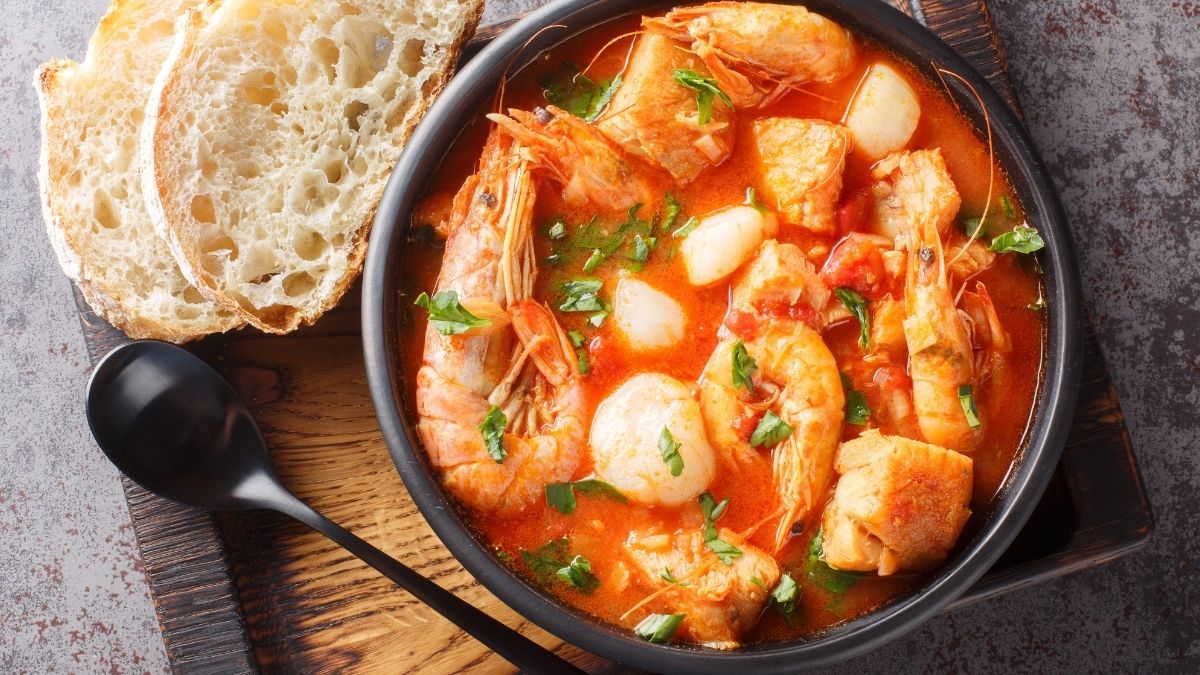
Brudet is a fisherman’s stew found across the Dalmatian coast, Kvarner, and Istria, built from whatever fish came in that morning, simmered slowly in a tomato and wine broth with garlic and olive oil. Every version is different, every cook has their own approach, and the debate over whose brudet is best is one Croatia has been having for centuries.
It is traditionally served with creamy polenta on the side. On the island of Hvar, Konoba Menego is praised for its seafood cooking, while in Dubrovnik, Proto restaurant has been serving old-school Dalmatian cuisine with elegance since the 1800s.
Štrukli
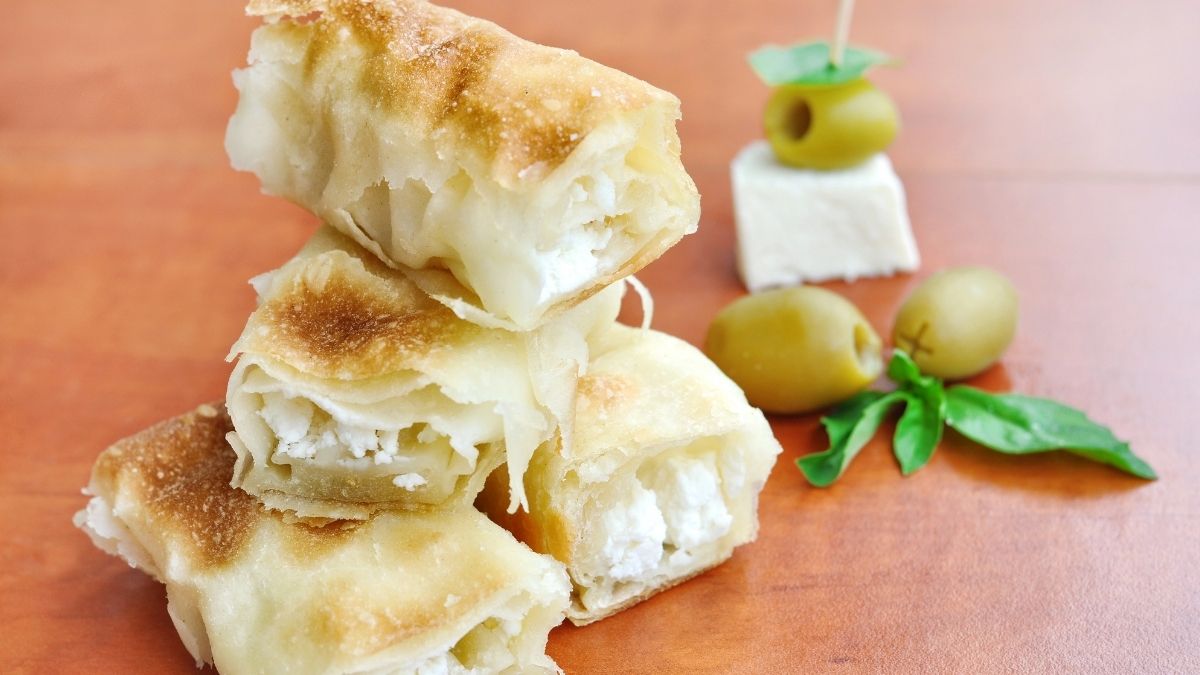
Zagreb’s great comfort dish is štrukli, thin pastry dough filled with fresh cottage cheese, sour cream, and eggs, either boiled until soft and dumpling-like or baked until golden and crispy on top. It originated in the Zagorje region north of Zagreb and has earned UNESCO protected status as an intangible cultural heritage.
In Zagreb, Le Štruk in the city center is famously dedicated entirely to the dish, serving both savory and sweet versions to regulars and visitors who keep coming back.
Fritule
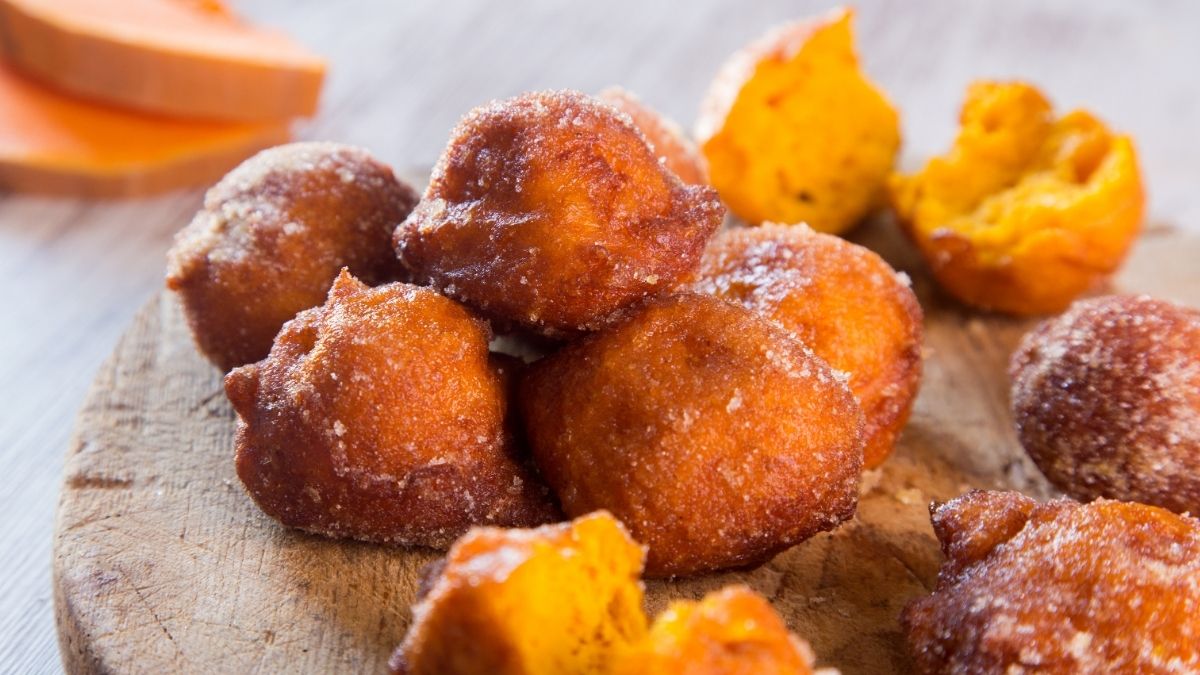
Croatia’s answer to the doughnut is smaller, chewier, and frankly more interesting. Fritule are bite-sized fried dough balls flavored with citrus zest, raisins, and a splash of rakija, dusted in powdered sugar and sometimes drizzled with chocolate. They were traditionally a Christmas treat, but they proved far too addictive to limit to one season.
Street vendors along the Dalmatian coast sell them year-round in paper cones, and in Split, you will find them at bakeries and seasonal food stalls throughout the old town. They are the ideal thing to eat while wandering.
RELATED ARTICLE: Why The Mediterranean Diet Remains The World’s Healthiest Eating Plan
