


Tired of Messy Deviled Eggs? These Simple Tricks Guarantee a Perfect Peel

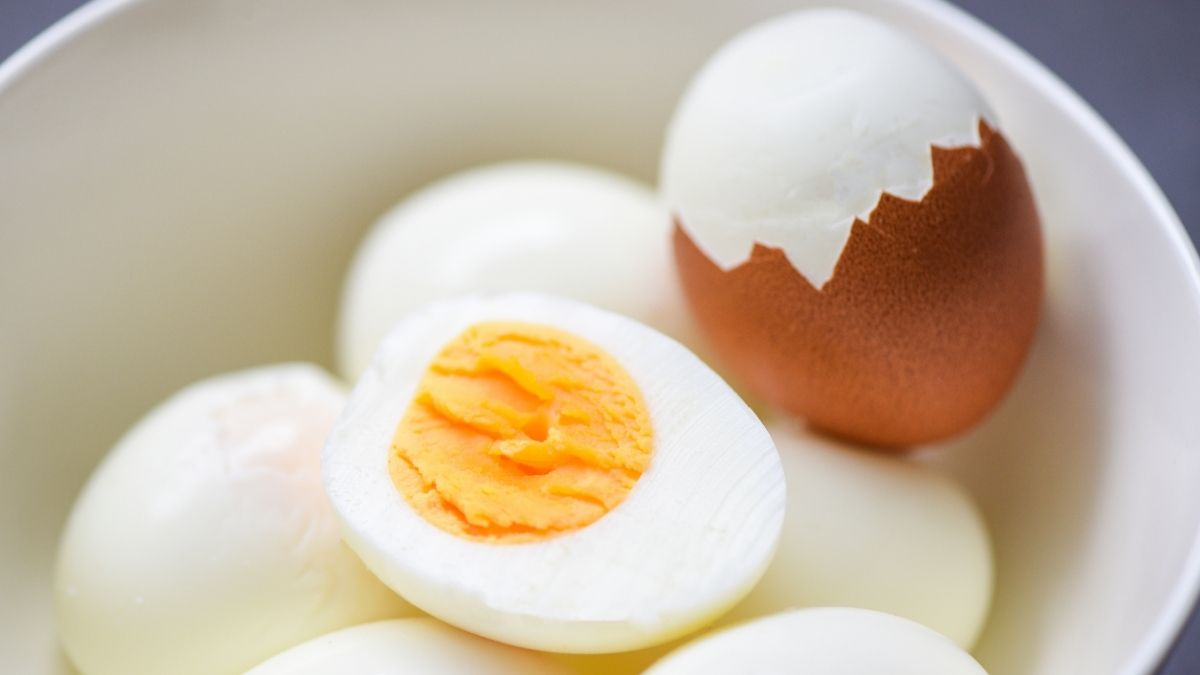

Easter and spring picnics are just around the corner, which means deviled eggs are about to take center stage. Everyone loves eating them, but almost every home cook dreads the peeling process. There is nothing more frustrating than losing half the egg white because the shell decided to stick. You can skip the stress this year by following a few science-backed steps for a smooth, shell-free finish every time.
Start with a hot bath
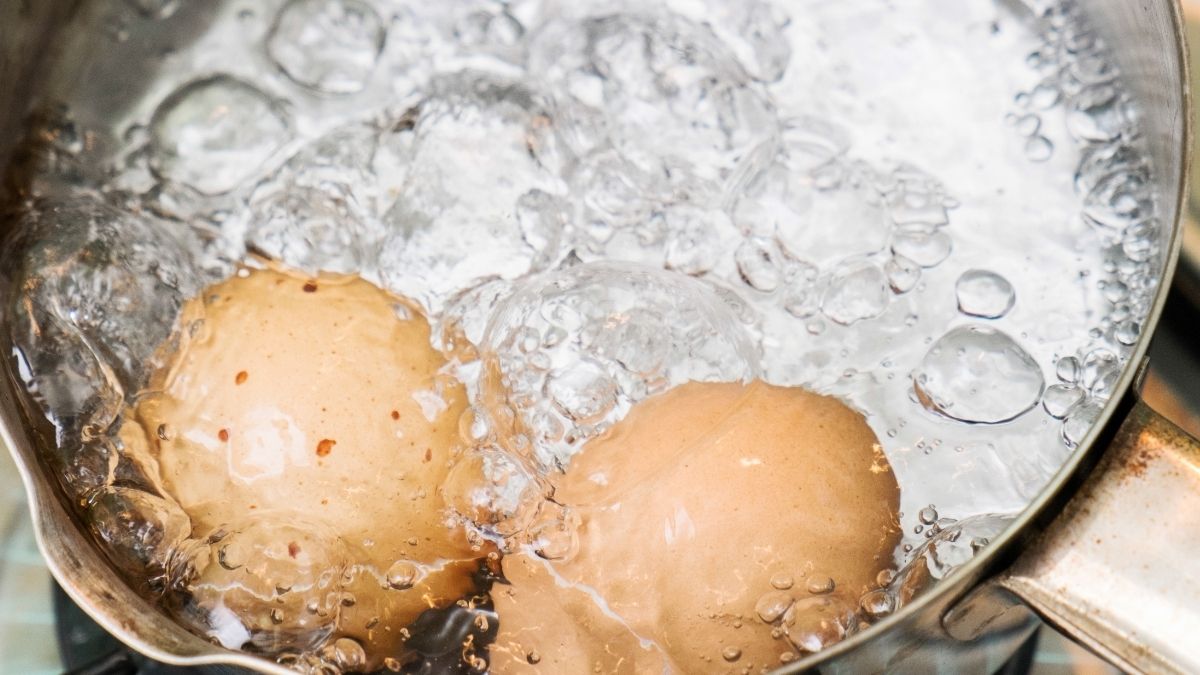
Drop your eggs into boiling water rather than starting them in a cold pot. Many people were taught to fill a pot with cold water and bring it to a boil together, but this actually causes the egg membrane to fuse to the shell.
To get a clean break, bring your water to a rolling boil first. Lower the heat slightly so the eggs don’t crack as you drop them in, then use a slotted spoon to gently nestle them into the bottom. This “hot start” shocks the membrane, making it pull away from the shell almost instantly. Set your timer for 11 to 12 minutes for a perfectly set yellow yolk.
Use the ice bath shock
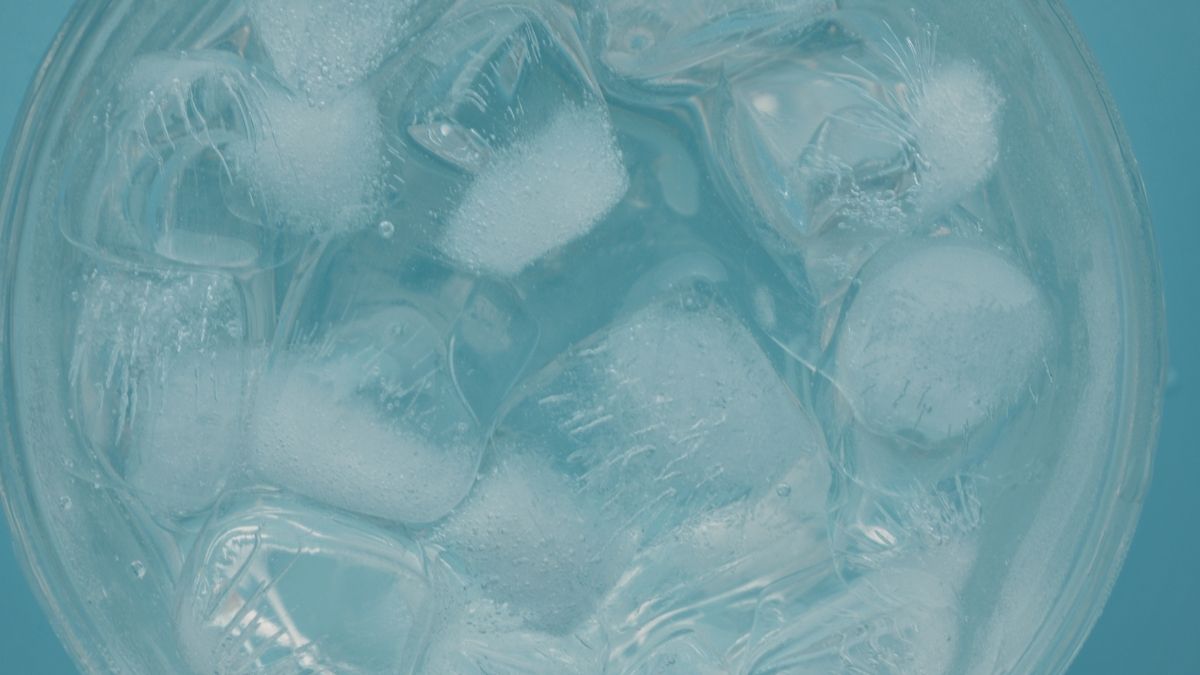
Move your eggs directly from the boiling water into a bowl of ice and cold water. This step is non-negotiable if you want a perfect peel. The rapid temperature change causes the egg to contract inside the shell, creating a tiny gap of air between the two.
Let the eggs sit in the ice bath for at least ten minutes. You want them to be completely cold to the touch before you even think about cracking them. If the egg is still warm in the middle, the structure will be too soft, and you’ll likely end up with dents or tears in the delicate whites.
Crack the bottom first
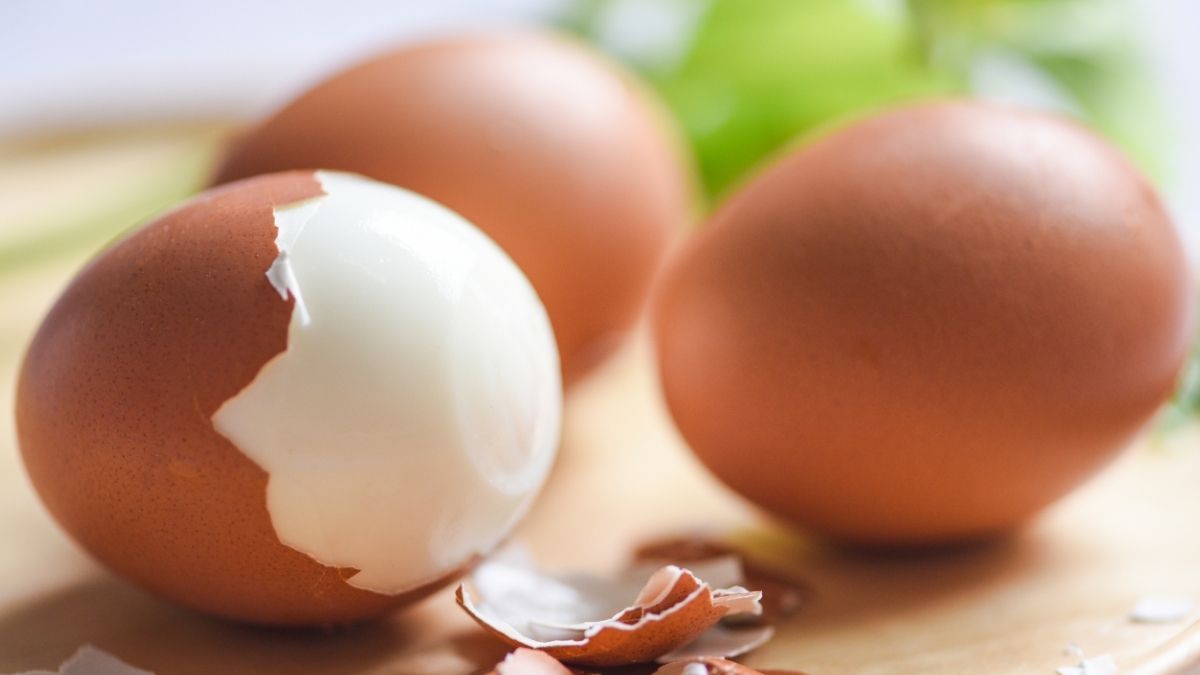
Look for the wider, blunt end of the egg to start your peeling process. Most eggs have a small air pocket at the base. If you crack this area first, you can get your thumb under the thin, papery membrane that surrounds the egg.
Once you have a grip on that membrane, the shell usually comes off in large, satisfying chunks. Try to peel under a thin stream of cool running water or submerged in the ice bath. The water acts as a lubricant, helping the shell slide right off without taking any of the precious egg white with it.
Give them a gentle roll
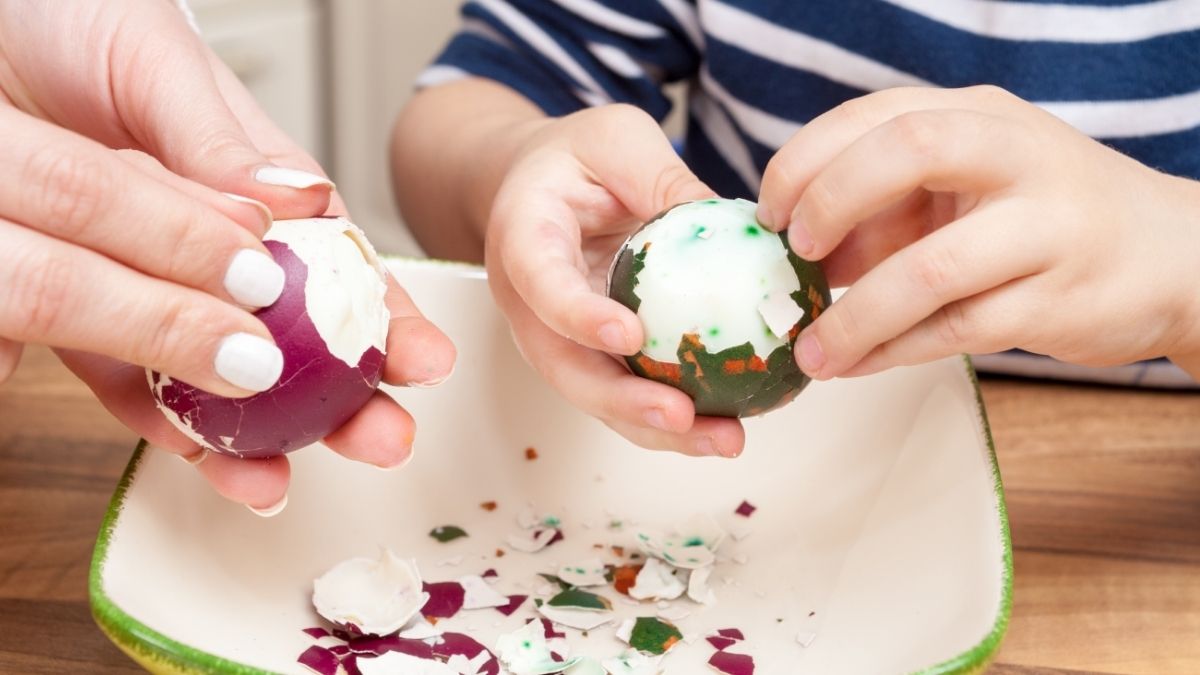
Apply light pressure as you roll the cooked egg across a hard countertop. You aren’t trying to smash the egg, but rather create a network of tiny cracks across the entire surface. It should look like a shattered mosaic window when you are done.
By breaking the shell into dozens of tiny pieces, you make it much more flexible. This technique ensures that if one part of the shell is being stubborn, it won’t pull a large piece of the egg white with it. Once the surface is thoroughly “crazed,” the entire outer layer often slips off in one or two big spirals.
