


These Famous Tourist Foods Rarely Impress Visitors—But These Hidden Dishes Do

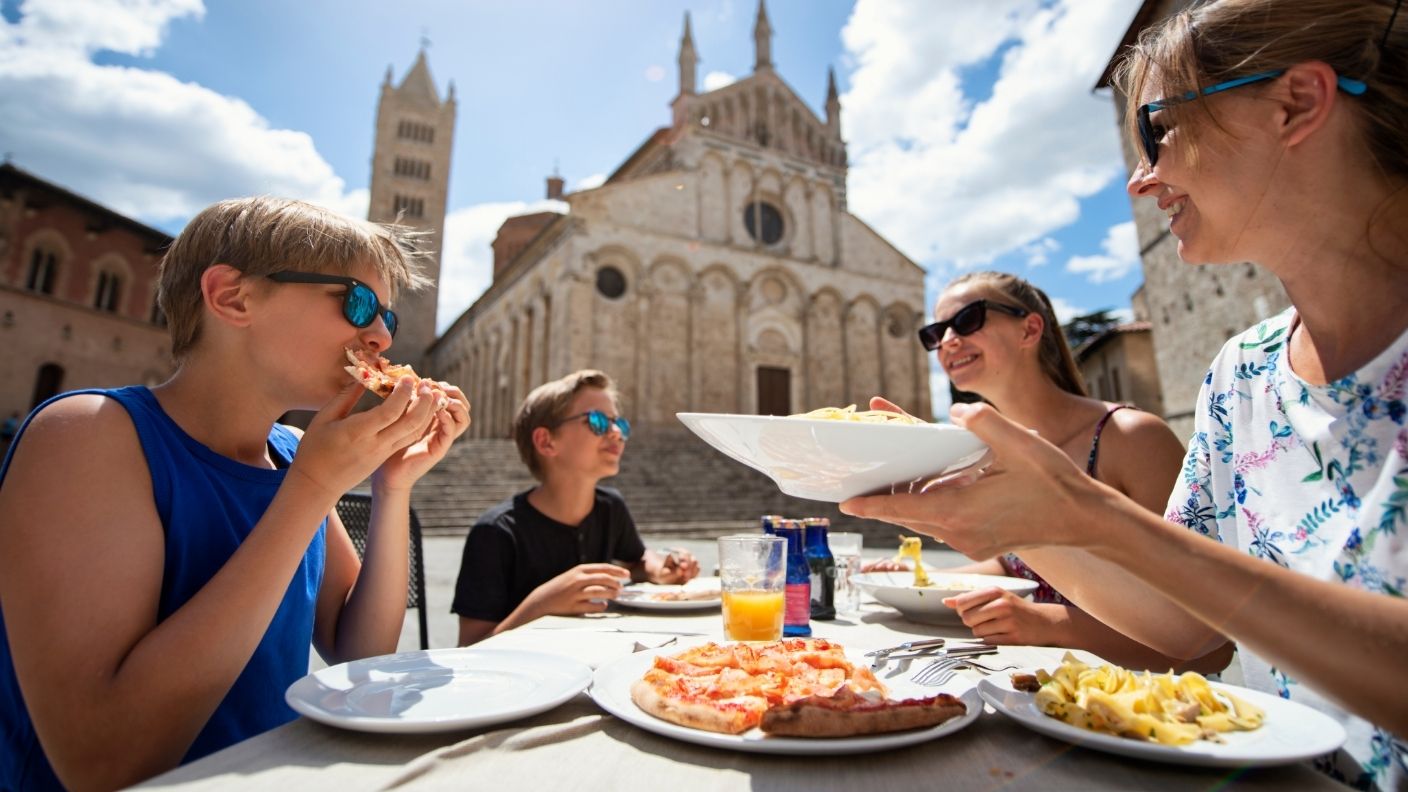

Everyone packs their bags dreaming about that one iconic dish they read about a hundred times before landing. Turns out the food bloggers and guidebooks might be sending you straight toward the most boring table in town.
Locals everywhere have quietly been keeping the good stuff to themselves, and it is time somebody spilled the beans.
Tacu Tacu Beats Ceviche In Peru
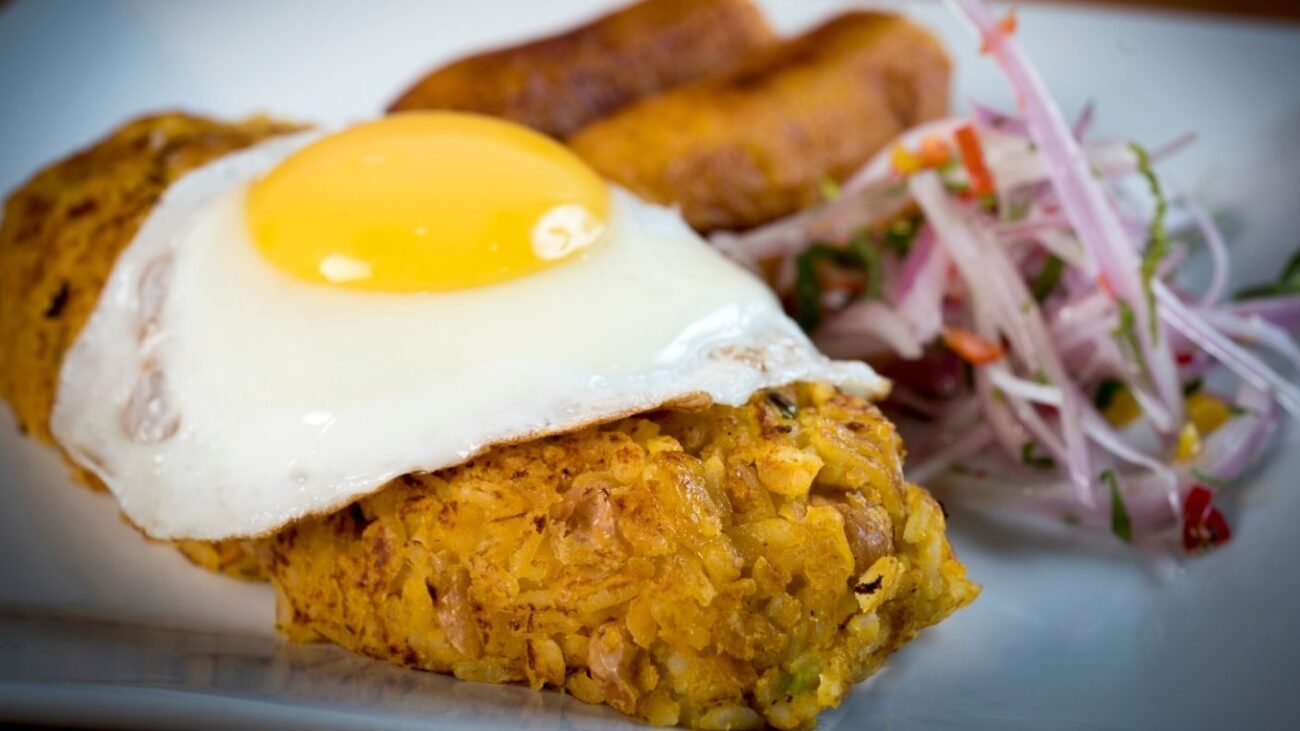
Ceviche gets all the postcard glory, but ask an actual Peruvian where the real comfort food lives and the answer changes fast. A fried tortilla made from beans and rice, piled high with beef, plantains and a fried egg on top, tends to steal the spotlight once you know to ask locals what they actually crave on a random Tuesday.
It sounds like a strange combination on paper, yet it somehow works in a way that makes tourist ceviche feel a little one dimensional afterward. This is the dish grandmothers make, not the one built for a menu photo.
Cachapas Steal The Show From Arepas In Venezuela
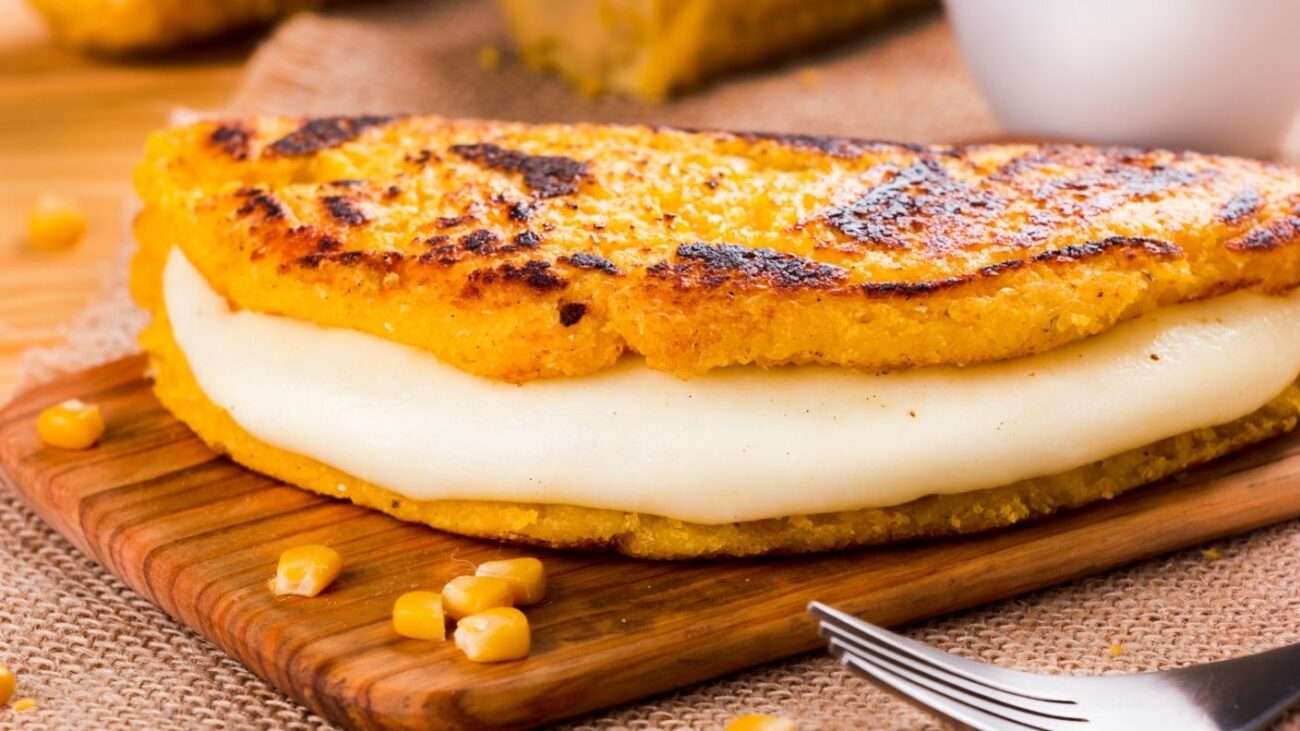
Arepas get all the international fame, showing up on menus from Miami to Madrid. Cachapas, a sweet corn pancake usually folded around cheese, barely make it onto anyone’s radar before they land in Venezuela.
Once travelers actually taste one warm off the griddle, the arepa suddenly feels like the safe, predictable choice. Sweet, savory and a little messy, cachapas are the dish locals quietly hope tourists eventually discover.
Żurek Outshines Pierogi In Poland
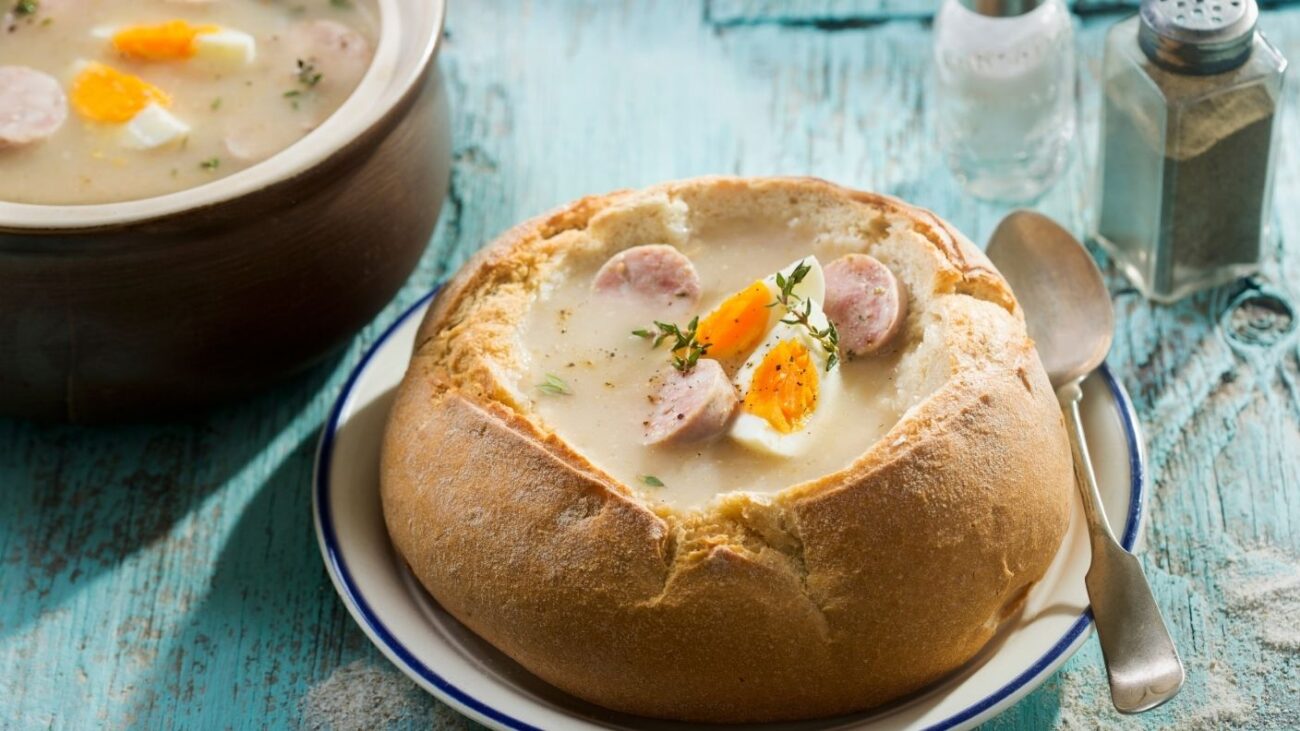
Pierogi practically define Polish food in the minds of most visitors, dumplings stuffed with everything from potato to fruit. Meanwhile żurek, a sour rye soup loaded with sausage and egg, sometimes even served inside a hollowed out bread bowl, barely gets a mention in most travel guides.
Locals consistently point to it as the more genuinely Polish experience, warm, tangy and completely different from anything most tourists expect. It somehow manages to feel both hearty and refreshing at the same time.
Local Seafood Wins Over Baked Beans In Boston
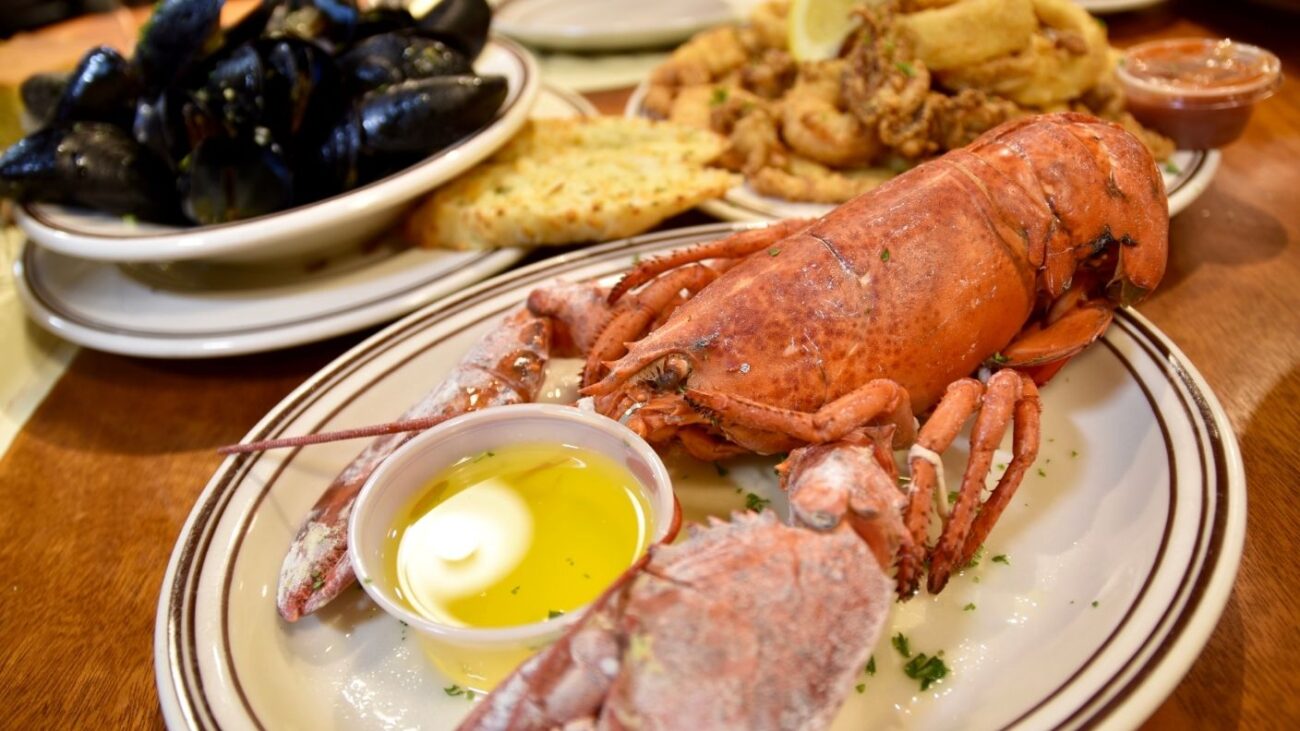
Tourists land in Boston asking about baked beans and Boston cream pie like they are still dinner table staples. Locals will tell you almost nobody actually eats either regularly, and the real move is fresh oysters or any seafood pulled straight from nearby waters, along with regional treats like wild blueberries and maple candy.
It is basically the culinary equivalent of visiting Hollywood expecting to bump into a celebrity on every corner. The seafood scene quietly does all the heavy lifting while the beans just sit there being famous for no real reason.
Slow Cooked Dishes Beat Tourist Paella In Spain
Paella gets ordered by nearly every visitor who steps foot in Spain, yet plenty of versions served in tourist zones are reheated, rushed and honestly a little sad.
Slow simmered stews and properly cooked rice dishes that actually take hours to prepare are what locals favor instead, even if they require a bit more patience to find.
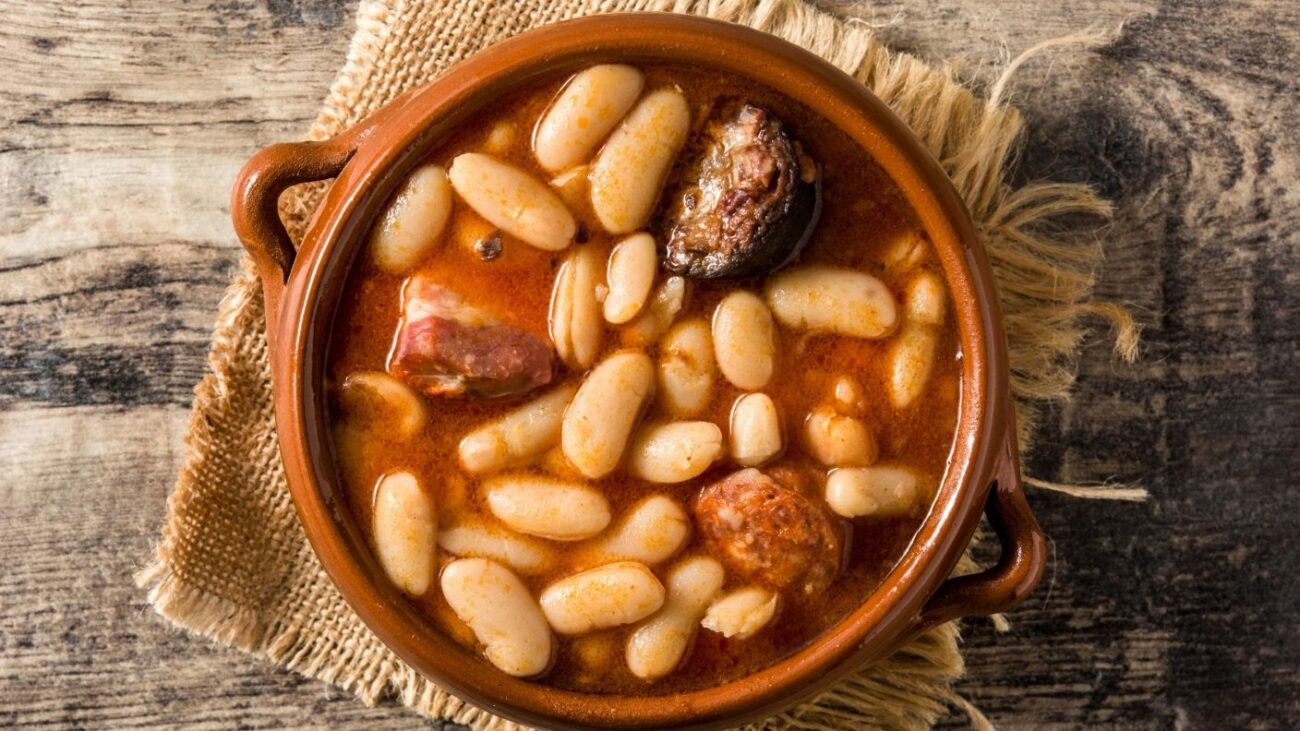
While great paella absolutely exists, many locals are just as likely to order slow-cooked regional dishes like fabada asturiana (a rich Asturian bean and pork stew), cocido madrileño (Madrid’s hearty chickpea and meat stew), or arroz al horno (Valencian baked rice with pork, sausage, and chickpeas), all of which take hours to prepare properly.
The difference in flavor is not subtle once you taste a version that was not built for speed. Good paella exists, it is just rarely sitting in the restaurant with the picture menu out front.
Soto Padang Steals Attention From Nasi Goreng In Indonesia
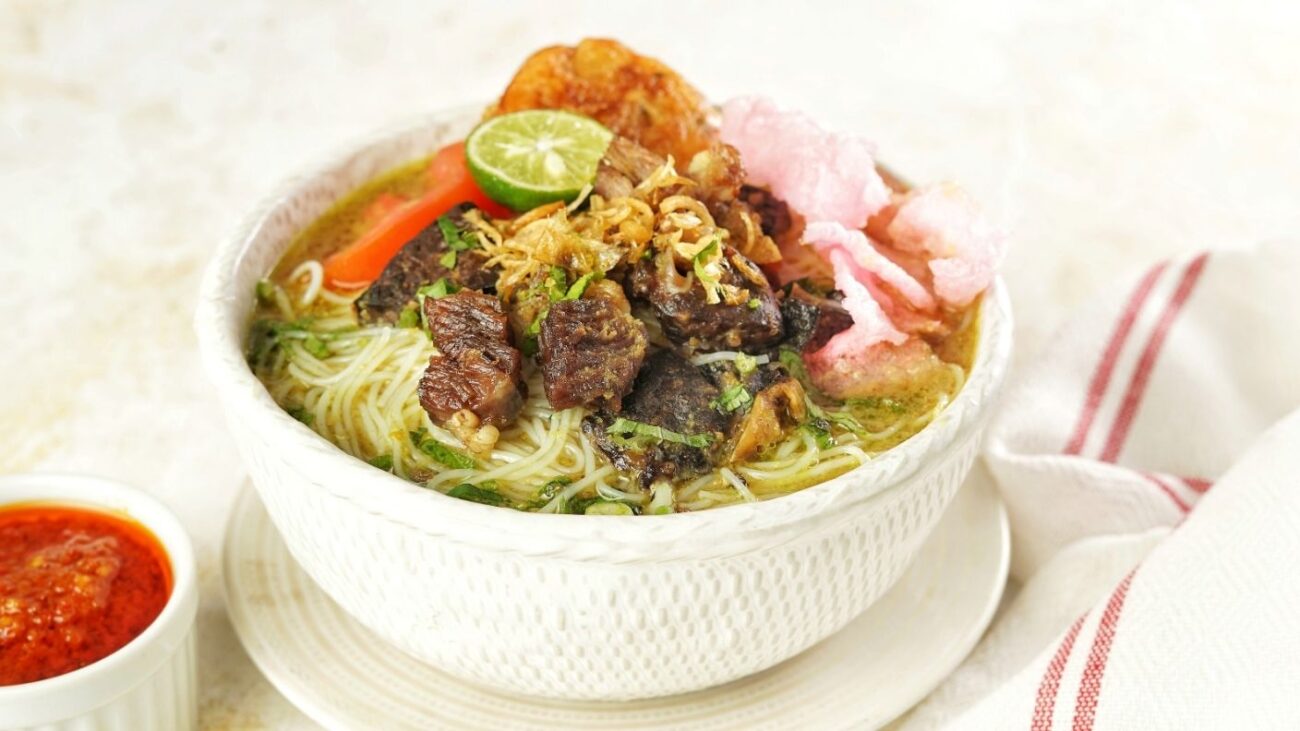
Nasi goreng shows up on nearly every Indonesian menu aimed at visitors, fried rice being an easy sell across any language barrier. Meanwhile dishes like soto padang, a spiced beef broth soup, and rich oxtail soup rarely get flagged as must tries despite locals loving them just as much.
Soup might not sound like an exciting vacation meal, but the layers of spice completely change that assumption after one bowl. It is proof that sometimes the least Instagrammable dish is the one worth chasing down.
At the end of the day, the most hyped food in any country is rarely the one locals are quietly obsessed with themselves. Skipping the obvious order and asking a local what they actually crave might just be the best souvenir any trip can offer.
