


The Wellness Habit More People Are Trying for Energy and Longevity

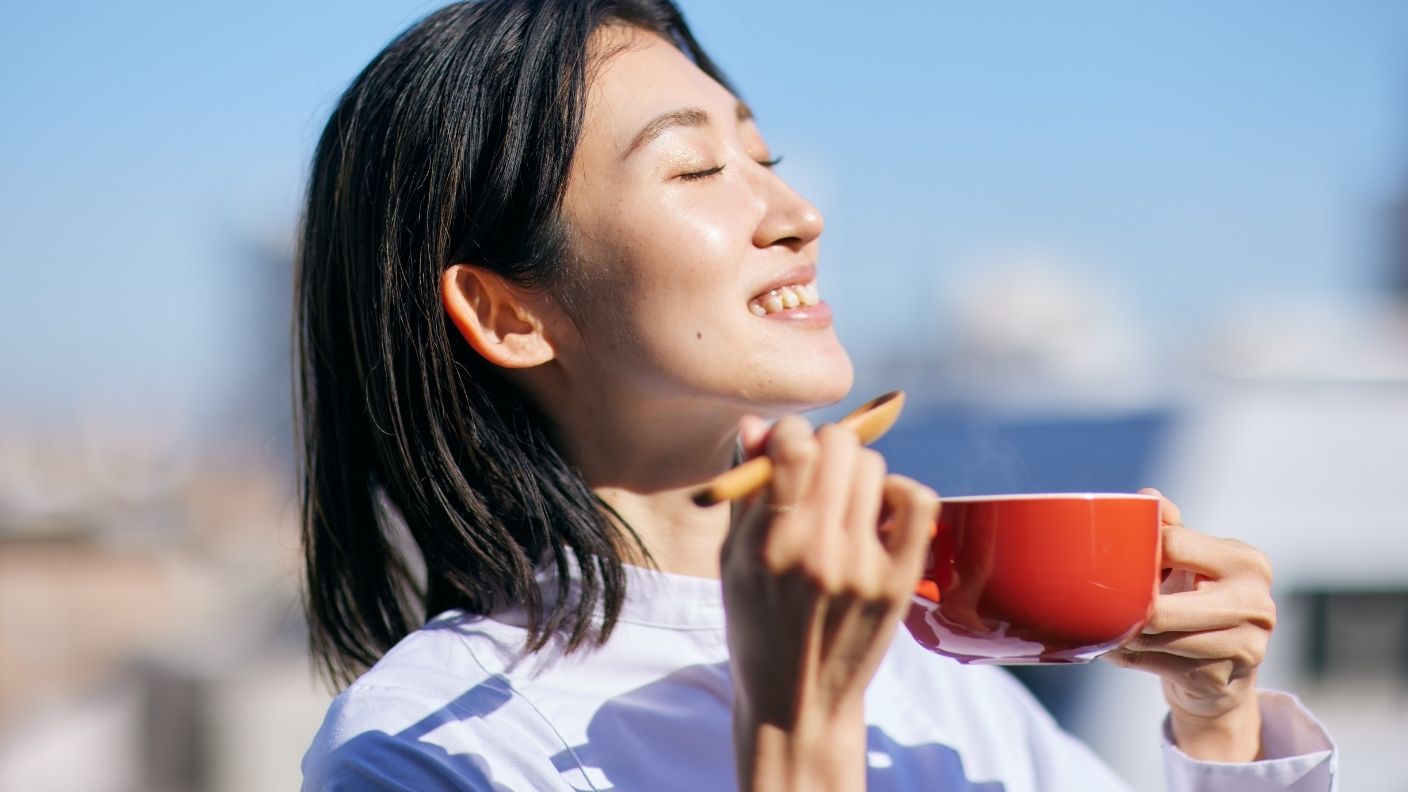

Coffee had a good run. For decades it was the unquestioned morning ritual for most of the world, the first thing reached for, the thing that made the day feel possible.
But something has been quietly shifting in kitchens, cafés, and morning routines across the country, and the small green cup sitting in its place is not a trend. It is a centuries-old practice that science is now catching up to in a serious way.
The Green Ritual Taking Over
Matcha has crossed from niche wellness circles into genuine mainstream territory, and the numbers behind it are hard to ignore. The global matcha market was valued at over five billion dollars in 2025 and is projected to nearly double by 2033.
In the UK alone, matcha drink sales more than doubled during peak months of 2025, reaching around 1.6 million drinks sold. This is not a passing moment. It is a structural shift in how people think about their morning energy.
What Makes It Different From Coffee
The secret is in the combination of compounds that no other beverage quite replicates. Matcha contains both caffeine and L-theanine, an amino acid that promotes relaxation without drowsiness, producing calm, sustained energy rather than the sharp spike and eventual crash that coffee delivers.
A 2025 meta-analysis of 50 randomized controlled trials confirmed that the L-theanine and caffeine combination improved reaction time and attention switching significantly better than a placebo.
For people who have always loved the ritual of coffee but not what it does to their nerves or their sleep, matcha offers an exit ramp that actually works.
The Longevity Connection
This is where it gets genuinely compelling for anyone thinking long term. Zen monks have used matcha since the 12th century to support concentration, digestion, and longevity, and modern research is validating their instincts.
Matcha is especially rich in EGCG, a catechin antioxidant that neutralizes free radicals and suppresses the inflammatory pathways linked to heart disease, cognitive decline, and accelerated aging.
Consumers are actively turning away from sugary sodas and artificial energy drinks and toward matcha specifically because it delivers natural caffeine for long-lasting energy, L-theanine for relaxed focus, and antioxidants that protect cells, all in one clean cup.
The Ritual Effect Nobody Expected
Beyond what is in the cup, researchers are also paying attention to the act of making it. A 2025 pilot study on tea ceremony practice found that structured matcha preparation dropped state anxiety scores measurably in participants, with nine out of ten describing a sense of sensory calm afterward.
The authors note that the deliberate whisking, the measured water temperature, and the focused preparation create a parasympathetic, rest-and-digest effect that appears to carry into the hours that follow.
Women are the fastest-growing segment of matcha consumers worldwide, drawn specifically to its promise of natural energy, hormonal support, stress management, and mental clarity, all in one grounding morning moment.
How to Actually Start
The simplest entry point is a traditional preparation, one to two teaspoons of high-quality matcha powder whisked with a small amount of hot water until frothy, then topped with warm oat or almond milk.
Most people find the sweet spot at one to two cups per day, enough to feel the effects without overdoing the caffeine. Ceremonial grade from Japan, particularly from the Uji region, is the standard most nutritionists point to when recommending it for daily wellness use.
The monks were onto something. And now, finally, the rest of the world is catching up one small green cup at a time.
RELATED ARTICLE: The #1 Carb Experts Say You Should Stop Avoiding
