


The Weirdest Halloween Foods People Actually Eat Around the World

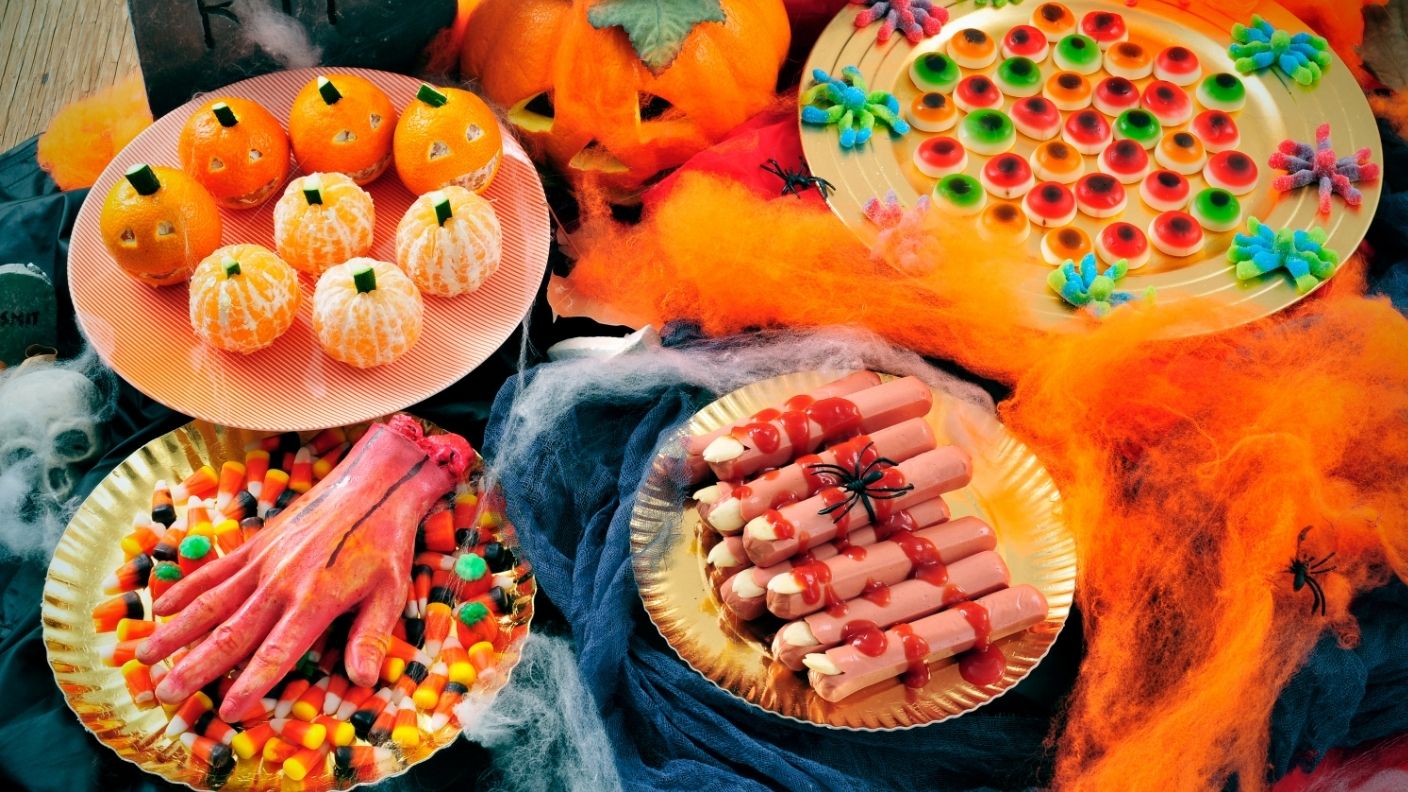

American Halloween runs almost entirely on candy, with maybe a caramel apple thrown in for variety. Step outside that bubble, though, and the season looks completely different on a plate.
In plenty of countries, the food tied to this time of year has nothing to do with costumes or trick-or-treating at all. Some of it comes from much older traditions about honoring the dead, and a few of the results genuinely surprise anyone who’s only ever known a pillowcase full of chocolate bars.
A Guatemalan Salad With Up to 100 Ingredients
In Guatemala, Day of the Dead on November 1st centers on a cold dish called fiambre, and it is not a small undertaking. A single batch can include anywhere from 18 to as many as 100 different ingredients.
Cold cuts, cheeses, pickled vegetables, and sometimes seafood all get layered together into one enormous salad-style platter.
The dish didn’t start out that massive. Families traditionally brought individual dishes to share while visiting graves, and over generations those separate contributions merged into one combined, ever-growing recipe passed down and expanded within each household.
That history is part of what makes fiambre stand out. It’s less a single recipe than a running family archive, where each new ingredient added over the years becomes part of the dish’s permanent identity.
An Irish Bread That Tells Your Fortune
Ireland’s contribution to the season is barmbrack, a spiced fruit bread that shows up specifically around Halloween. What sets it apart isn’t the bread itself, but what’s hidden inside it.
Bakers tuck small objects into the dough before baking, and whichever one turns up in a person’s slice is treated as a genuine fortune for the year ahead.
A ring supposedly points to marriage, a coin to coming wealth, and a pea means no wedding is on the horizon. A matchstick warns of an unhappy marriage, a scrap of cloth hints at poverty, and a thimble traditionally meant a life spent unmarried.
The ring is considered the most coveted find by far, which is exactly why kids have been known to eat more slices than they probably should chasing it. The custom traces back to older Celtic beliefs that the boundary between the human world and the fairy world grows thin around this time of year.
Sicily’s Cookies Shaped Like Bones
Sicily’s version of the season leans directly into its theme with ossa dei morti, which translates to bones of the dead. The name isn’t a metaphor. These cookies are deliberately shaped to look like pale, knobby bones.
They’re made from a fairly simple base of almonds, egg whites, flour, and sugar, which gives them a flavor often compared to Amaretti cookies.
The texture is the real signature, though. They’re described as delicate and crackly, crisp on the outside while staying chewy in the middle, almost melting away with each bite rather than offering real resistance.
Families across Italy bake them specifically for November 2nd, the Day of the Dead, usually alongside a cup of coffee or tea. The pale, bone-like appearance is intentional rather than accidental, a direct visual nod to what the holiday is actually commemorating.
Mexico’s Bread Built Around Grief and Sweetness
Pan de muerto is Mexico’s answer to a sweet bread, baked specifically for Día de los Muertos. It’s soft, buttery, and carries a strong orange aroma from zest worked directly into the dough and sugar.
What makes it unmistakable is the decoration on top rather than the dough itself.
Strips of dough are shaped into crossed bones and arranged across the loaf, meant to represent the four cardinal directions guiding a soul’s journey. A small ball of dough sits at the center, symbolizing a tear that honors both sorrow and the sweetness of remembering someone.
The bread is traditionally torn apart by hand and dipped into Mexican hot chocolate or coffee rather than sliced and plated. Families often leave a portion out on home altars as an offering before anyone eats a piece themselves.
The English Cakes That Came Before Trick-or-Treating
Soul cakes are small, round, shortbread-like cakes from England, spiced with allspice, nutmeg, and cinnamon and studded with raisins or currants. Each one gets marked with a cross on top before baking.
They’re tied to a nearly forgotten custom called souling, which took place across Allhallowtide in late October and early November.
Groups, often children and poorer community members, went door to door singing specific songs and asking for a soul cake. In exchange, the giver expected a prayer said on behalf of their deceased relatives, who were believed to exist in a kind of in-between spiritual state.
Historians generally point to souling as a direct predecessor of modern trick-or-treating. Costumed visits, door-to-door requests, and a small performance in exchange for a treat are all there, just with prayer standing in for candy.
Taken together, these traditions make it clear that the sugar-coated version of Halloween most people know is really just one branch of a much older, much stranger family tree. Somewhere between a hidden ring in a loaf of bread and a cookie named after a human bone, food has always been one of the main ways people have chosen to remember the dead.
RELATED ARTICLE: 5 Halloween Foods That Used to Be Everywhere but Have Almost Disappeared
