


The Vintage Baking Rule That Modern Recipes Keep Ignoring

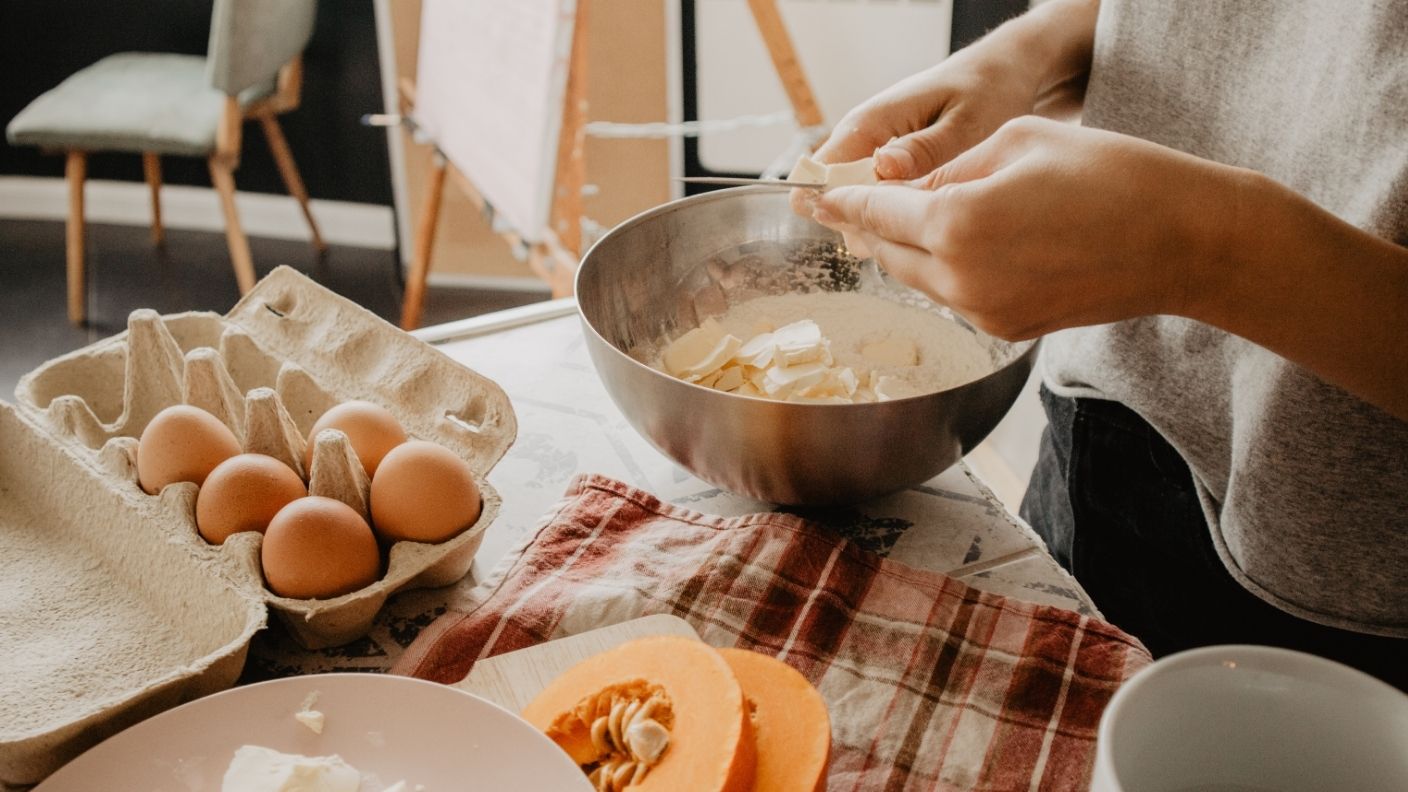

Scrolling through a quick online recipe or reaching for a boxed cake mix usually means treating the very first mixing step as an afterthought, just a quick blend before moving on to the rest. Older cookbooks treated that exact same step as the entire foundation of a good cake.
Vintage bakers took that early step far more seriously than most modern recipes ever bother to explain. Keep reading to see what it is and why skipping it explains a lot of disappointing homemade cakes.
It All Comes Down To How Long You Cream The Butter
The rule in question involves creaming butter and sugar together, a step nearly every cake recipe includes but that modern instructions often rush through in a matter of seconds. Vintage baking guides consistently called for seven to ten minutes of creaming, far longer than most people today ever actually spend on it.
That extended creaming time creates the entire foundation the rest of the cake depends on. Skipping straight to the next step after just a quick mix skips over most of what that stage was actually meant to accomplish.
The Science Behind It Is Real
The reason vintage recipes insisted on that much time comes down to real baking chemistry. Creaming butter and sugar together for the full stretch works air into the butter’s structure, creating thousands of tiny pockets that later expand in the oven and give a cake its light, tender texture.
Cutting that process short means fewer of those air pockets ever form in the first place. No amount of extra baking powder or baking soda can fully make up for a batter that never got properly aerated at the start.
Skipping It Explains A Lot Of Disappointing Cakes
That rushed step is a big part of why so many homemade cakes come out dense or a little flat despite following every other instruction correctly. Bakers who study vintage recipes have specifically flagged rushing the creaming process as one of the most common reasons a cake fails to rise the way it should.
The difference between a quick thirty second mix and the full recommended time is often the exact gap between a cake that feels ordinary and one that feels genuinely special. It is one of the few baking steps where more patience really does translate directly into a better result.
Room Temperature Butter Makes Or Breaks The Whole Step
None of this works properly without one other detail vintage recipes also insisted on, butter that has actually come to room temperature first. Baking experts explain that if butter is too cold, the emulsion with sugar can break entirely, leaving a curdled looking batter that never aerates correctly no matter how long it gets mixed.
That single detail, patience with both temperature and time, is really the whole vintage rule in a nutshell. Modern recipes that skip explaining either step are setting home bakers up for a cake that never quite reaches its full potential.
So the next time a cake recipe just says cream butter and sugar without elaborating, it might be worth setting a timer for a full seven minutes instead of guessing. Sometimes the most old fashioned advice in the kitchen really is the one still worth following exactly as written.
RELATED ARTICLE: No Bake Easy Pumpkin Desserts
