


The Unexpected Foods That Have Become Halloween Staples


Candy gets all the attention on October 31, yet the holiday’s food story started somewhere far less colorful. Long before fun-size bars existed, the table was set with whatever the harvest had left behind.
Several of those humble foods never left. They simply stopped being noticed as Halloween traditions, even though they’re still showing up every year.
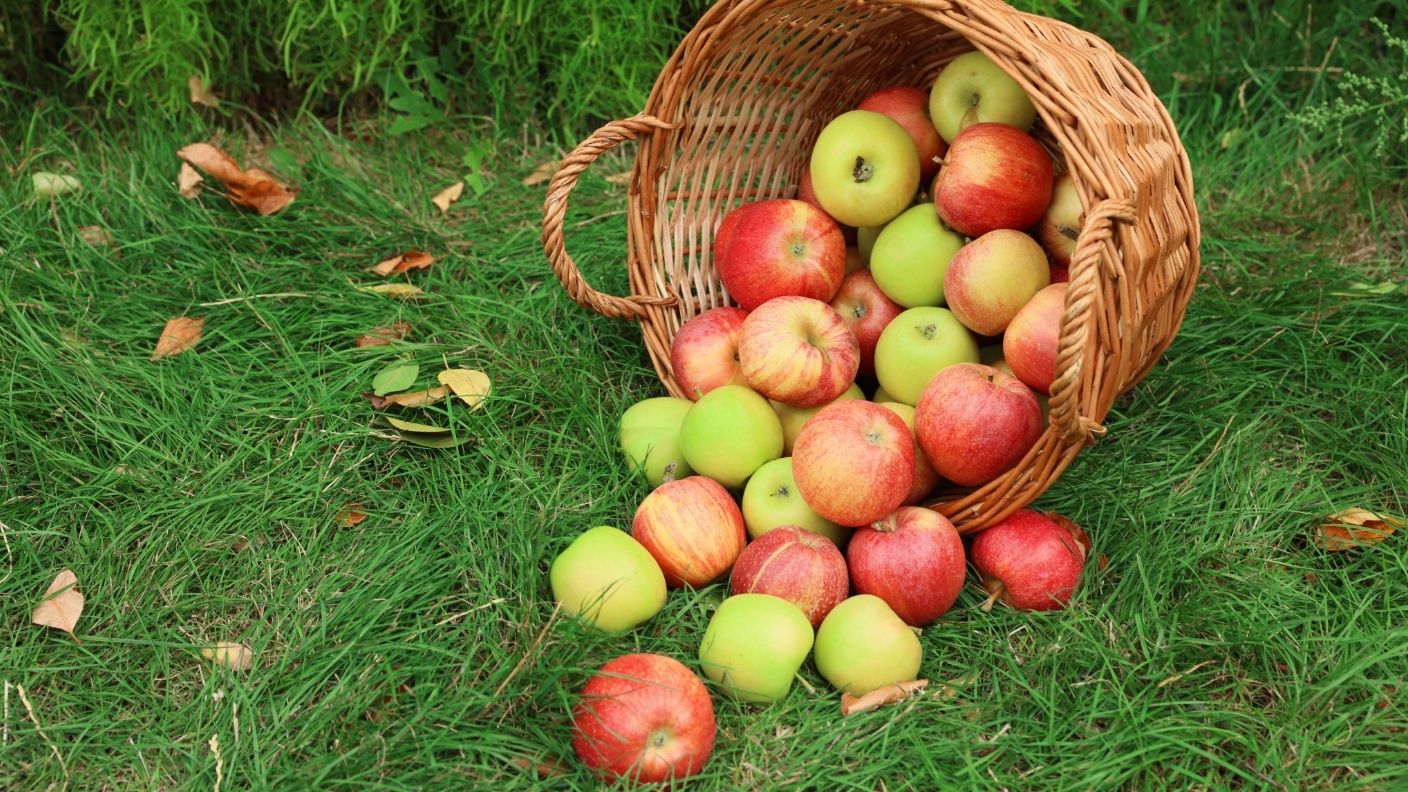
Apples
Apples have been tied to Halloween for centuries, and not just as a snack. Celtic and British traditions included “Snap Apple Night,” a game where players bit at apples hanging from strings with their hands tied behind their backs.
Americans adapted it into a fortune-telling game, where the first person to grab an apple from a tub of water was said to marry soonest.
The Roman harvest festival honoring Pomona, the goddess of orchards, likely played a role in the apple’s prominence as well. Cutting one in half also reveals a small star shape around the seeds, which added to its mystique.
Nuts
Before candy bowls, there were bowls of walnuts and chestnuts. In parts of Scotland and northern England, October 31 was known as “Nut Crack Night,” since nuts were considered magical and were plentiful at harvest time.
People named nuts after potential sweethearts and set them near the fire.
A nut that burned steadily suggested a faithful partner, while one that popped hinted at trouble. It’s an old party game, but the tradition of nuts at autumn gatherings carries on in every trail mix and mixed-nut bowl.
Cider and Doughnuts
Cider and doughnuts appear again and again on Halloween party menus from the 1920s through the 1960s. Popcorn showed up beside them, and so did roasted apples and toasted marshmallows.
The pairing makes sense, since apples are pressed into cider right as the holiday approaches.
Today cider doughnuts are a fall farm-stand staple rather than a Halloween-specific food. That’s exactly why they feel so unexpected on the list, even though they’ve been part of the holiday table for generations.
Sausages
Sausages were part of early Halloween feasts for a practical reason. Livestock was butchered in late September and early October so the meat could be preserved for winter, and the cuts that didn’t keep well were turned into sausages.
Those became part of Samhain feasts, a tradition that has never fully disappeared.
Modern versions look different, like hot dogs wrapped in dough to resemble mummies, but the idea is the same. Meat on a Halloween table is much older than the candy bowl.
Devil’s Food Cupcakes
Devil’s food cake got its name in the 1870s, when improved cocoa powder made rich, dark chocolate cakes possible. The name was a good fit for a holiday focused on spooky themes.
After World War II, adults handed out cupcakes like these to steer Halloween toward younger children.
Orange frosting turned an everyday chocolate cupcake into a seasonal treat, and the combination has been a party favorite ever since. It’s still one of the easiest ways to make a classic dessert feel festive.
RELATED ARTICLE: The Most Iconic Halloween Foods of All Time, Ranked
