


The Surprising Food That Keeps Some Women Feeling Young

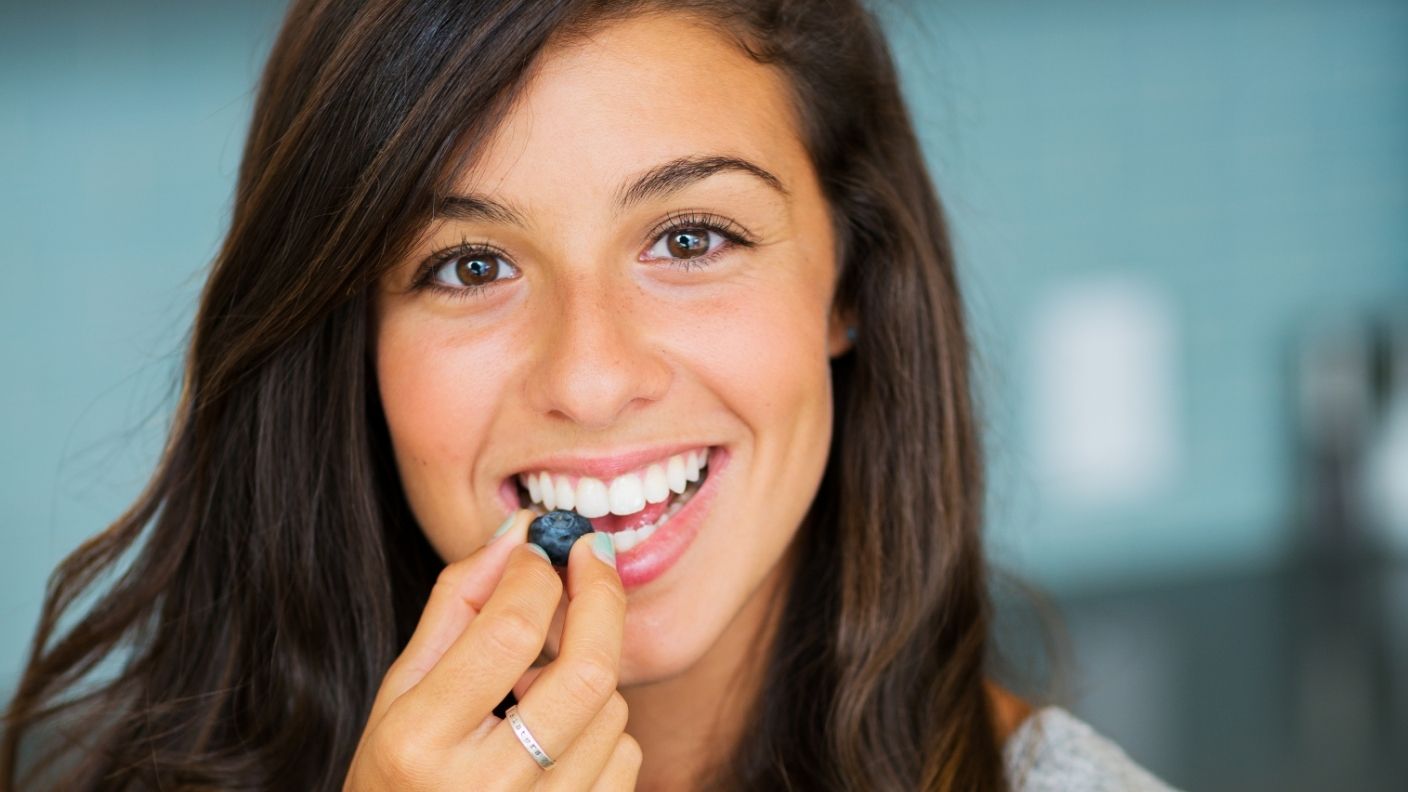

Somewhere between the wellness aisle and the produce section sits a fruit most people only think about around the holidays. It rarely gets mentioned in the same breath as blueberries or salmon when anti aging comes up.
Yet a small but growing body of research keeps circling back to it, specifically because of what happens after it gets digested. The real story is not in the fruit itself, but in what the gut turns it into.
Scientists have even given that transformation its own name. Here is the food showing up again and again in longevity research, and why it might matter even more for women.
A Fruit With An Unlikely Reputation
The fruit in question is the pomegranate, prized for centuries in folklore long before science caught up to it. Ancient traditions linked it to vitality, though nobody back then could explain exactly why.
Modern researchers eventually found the answer buried inside its seeds. Pomegranates are rich in compounds called ellagitannins, which the body cannot actually use in their original form.
It takes a detour through the gut before those compounds become useful. That detour is where things get interesting.
What Happens Inside The Body
Gut bacteria convert those pomegranate compounds into a molecule called urolithin A. Researchers have linked it to healthier mitochondria, the tiny structures inside cells responsible for producing energy.
As mitochondria age, they tend to become sluggish and less efficient, which shows up as fatigue and slower muscle recovery. Urolithin A appears to help clear out the worn out mitochondria so healthier ones can take their place.
A study from the University of Washington found the compound stimulated this cellular cleanup process in human tissue. Researchers there called it relevant for anyone hoping to stay active later in life.
Why It May Matter More For Women
A large study called Muscle, Mobility and Aging found that mitochondrial energy production in muscle tends to decline more sharply in older women than in older men. That gap has been linked to a higher rate of mobility problems as women age.
It is one reason researchers studying urolithin A see particular promise for women trying to stay strong and energetic through midlife and beyond. The science is still developing, and nobody is calling pomegranates a miracle fix.
Human trials remain small, and most of the strongest results so far come from animal studies. Still, it is a reasonable, tasty bet while more research catches up.
Feeling young was never really about one dramatic discovery hiding in a lab. Sometimes it comes down to a fruit people have trusted for centuries, finally catching up with the science that explains why.
RELATED ARTICLE: The Anti-Aging Habit Experts Can’t Stop Mentioning
