


The Superfoods That Became Famous Overnight—But Are They Worth It?

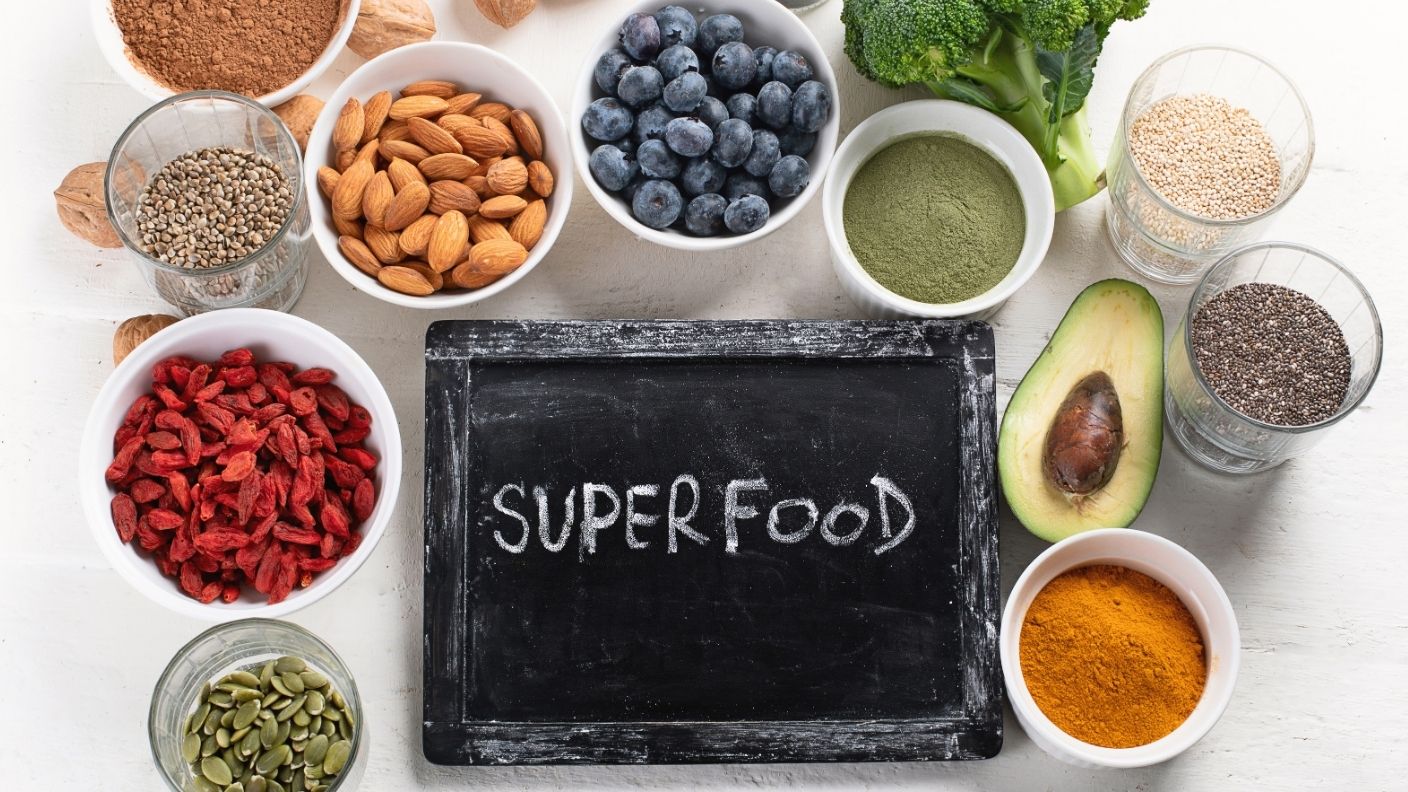

Every few months, a new ingredient takes over social media feeds, promising to fix skin, digestion, energy and everything else in between. Some of these foods had barely registered as anything special before the algorithm decided otherwise.
The origin stories behind these trends are sometimes stranger than the health claims themselves. A couple of the biggest superfood moments of the last several years trace back to sources that have almost nothing to do with actual nutrition science.
None of this means every viral food is worthless, but the hype rarely matches the evidence. Here is where two of the biggest overnight superfood sensations actually came from, and what dietitians say once the noise dies down.
Celery Juice Started With A Dream, Literally
Celery juice’s rise to superfood status traces back to a man with no medical or scientific background who says the idea came to him through a spirit in a dream. Anthony William, known online as the Medical Medium, began telling followers to drink 16 ounces of straight celery juice every morning on an empty stomach.
Registered dietitian Abby Langer did not hold back when asked about it. “It’s one big elaborate lie,” she told CBC.
Celery itself is a genuinely fine vegetable, rich in vitamin K, folate and potassium. The juiced version just is not doing anything a glass of water and an actual stalk of celery could not already accomplish.
Sea Moss Turned Into A Billion Dollar Business
Sea moss went from a niche Caribbean ingredient to a full blown wellness phenomenon, pushed along by celebrities like Kim Kardashian and Hailey Bieber. The global market is now valued in the billions and expected to keep climbing, according to National Geographic.
The research has not caught up to the marketing. Dietitian Amy Schwartz has described it as significantly overhyped, pointing to real risks around iodine excess and heavy metal contamination in poorly sourced products, according to Yahoo.
What Dietitians Actually Want People To Know
Across both trends, the advice from actual experts sounds remarkably similar and remarkably boring compared to the marketing. A balanced diet full of fruits, vegetables, whole grains and lean protein already provides most of what these superfoods claim to offer, according to Henry Ford Health.
That does not mean either ingredient needs to disappear from anyone’s routine entirely. Eating whole celery or cooking with real sea moss carries little risk, it is the miracle claims and the concentrated supplement versions that tend to draw the most skepticism.
Superfoods rarely become famous because of rigorous science, they become famous because a claim is dramatic enough to travel fast online. The actual nutrition, more often than not, turns out to be a fairly ordinary vegetable or algae that was doing just fine before anyone called it magic.
RELATED ARTICLE: 7 Best Vegetables for Longevity
