


The Strange Foods Around the World Linked to Longevity

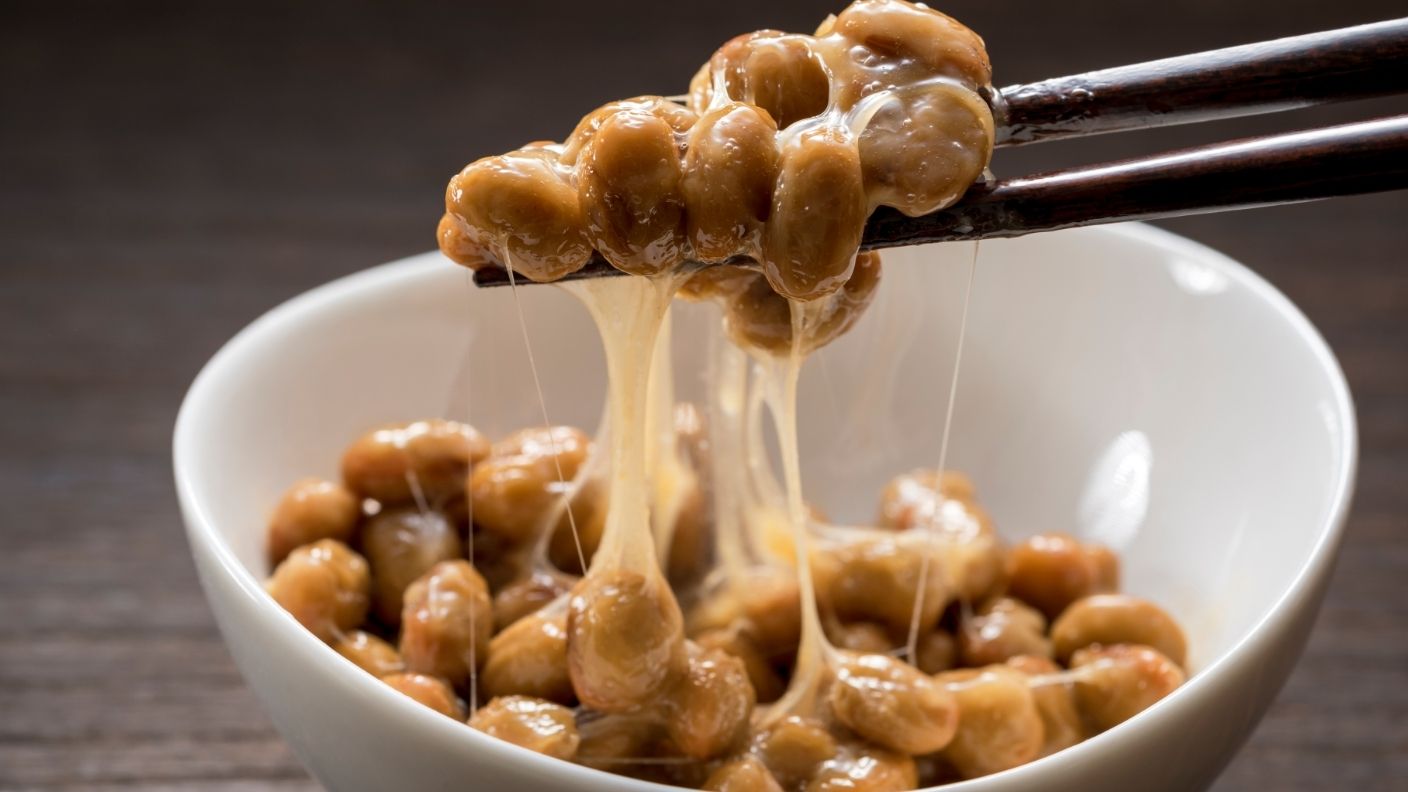

Longevity research keeps circling back to the same handful of regions, and Japan usually tops the list for good reason. Some of the foods credited with keeping people there living well past 90 look nothing like what shows up on a typical American plate.
These foods rarely photograph well, and a few of them take real getting used to on the first try. None of that has stopped researchers from taking them seriously.
None of it makes these foods any less credited with real health benefits. Here are the genuinely strange foods researchers keep linking to some of the longest lifespans on the planet.
Natto
Natto is fermented soybeans, sticky, stringy and carrying a smell often compared to old cheese, a texture that overwhelms plenty of first time tasters. It remains a breakfast staple across much of Japan anyway, according to Wakoku, typically mixed with rice, raw egg and a touch of mustard to make it more approachable.
The fermentation process produces nattokinase, an enzyme studied specifically for its potential to help dissolve blood clots and support healthy circulation, according to Food Chain Magazine. People who regularly eat fermented soy foods like natto have been found to have a 10 percent lower chance of dying early from any cause, according to a study cited by CNBC.
Mozuku
Mozuku is a slippery, thin brown seaweed common in Okinawan cooking, usually served in soups, marinades or paired with other traditional foods like natto. It carries fucoidan, a compound researchers have studied for its potential to inhibit the growth of cancerous cells and support antiviral activity, according to Skyticket.
The texture alone makes it an unusual food to most outsiders, closer to a gelatinous strand than anything resembling a typical vegetable. In Okinawa, it is simply an everyday ingredient rather than anything considered unusual at all.
Purple Sweet Potato
Okinawa’s purple sweet potato, known locally as beni imo, is rich in anthocyanins, the same antioxidant family responsible for its striking color. Research has linked regular consumption to improved blood sugar control and a lower risk of cardiovascular disease, according to the same Skyticket report.
The vegetable has become such a defining part of the regional diet that Blue Zones researchers specifically point to it as one of the more studied foods behind Okinawa’s unusually high concentration of centenarians. It shows up locally in everything from simple steamed snacks to desserts and even ice cream.
None of these foods are strange to the people who have eaten them for generations, they simply look unfamiliar from the outside. That gap between everyday and exotic might be exactly why they keep surprising researchers looking for the next real clue about living longer.
RELATED ARTICLE: Can Food Really Slow Aging? The Science Behind Longevity Diets
