

The Sneaky Ways Brands Make Small Portions Look Bigger

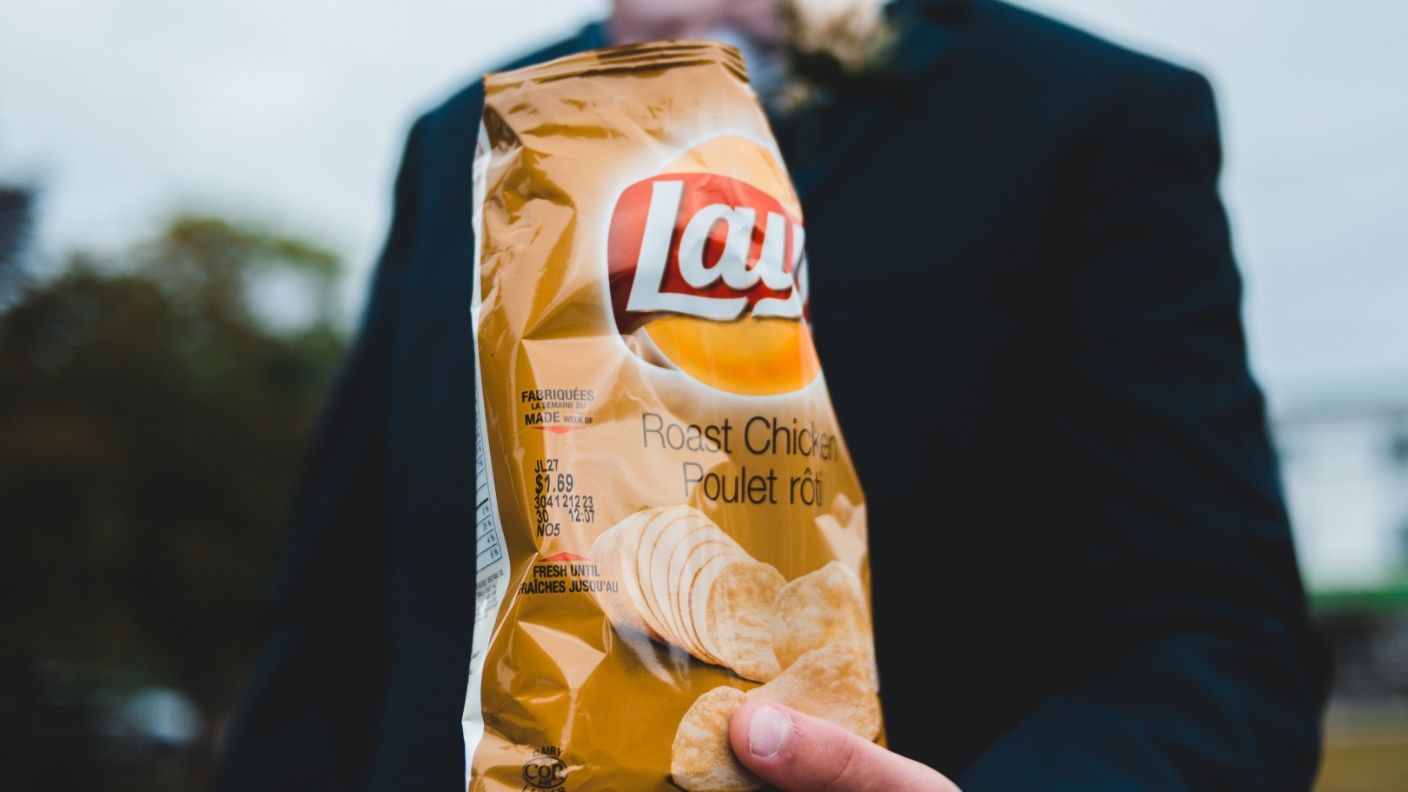

That bag of chips looks like it is holding a serious amount of food right up until the moment it actually gets opened. A lot of that impression is by design, built through packaging choices that have very little to do with how much food is actually inside.
None of these tricks are hidden exactly, they are just easy to miss unless someone points them out. Here is what is actually going on.
The Empty Space at the Top of the Bag
That gap of air sitting above the chips or cereal has an actual name in the industry, slack fill. Regulators do allow some of it for legitimate reasons, like cushioning fragile food during shipping, but excess air that exists mainly to make the package look fuller can cross into misleading territory under federal rules.
The same packages often list oddly specific serving sizes too, like two and a half servings in something that looks and gets eaten like a single portion. That framing quietly shrinks the calorie and sugar numbers printed on the label without changing what most people actually eat in one sitting.
Long, Narrow Shapes Trick the Eye
Package shape itself plays a bigger role than most shoppers realize. Behavioral research on portion perception has found that elongating a package tends to make the amount inside look larger than the exact same quantity in a shorter, wider container.
That effect works on the same visual bias that makes a tall, narrow glass look like it holds more liquid than a short, wide one. Food companies did not invent the illusion, they just apply it deliberately to packaging design.
Shrinking Product Is Getting Harder to Spot
Straightforward shrinkflation used to be relatively easy to catch, since a box would just get noticeably smaller while the price stayed the same. Companies have gotten more subtle about it, and reporting has found brands increasingly hide the reduction through full packaging redesigns, quiet formula changes and multi-pack math that is harder to track at a glance.
Multipacks are especially effective at burying the change, since the total quantity still looks substantial even when each individual portion has quietly gotten smaller. Checking the unit price rather than the sticker price is one of the few ways to catch it in the moment.
None of these techniques are secret or even necessarily illegal, they are just built to work on shoppers moving quickly through a store. Checking the net weight and unit price instead of trusting how full a package looks is still the most reliable way around all of it.
RELATED ARTICLE: Stop Complicating Healthy Eating—Use This Mediterranean Trick
