

The Secret Trick for Flipping Eggs: The Yolk Stays Intact Every Time

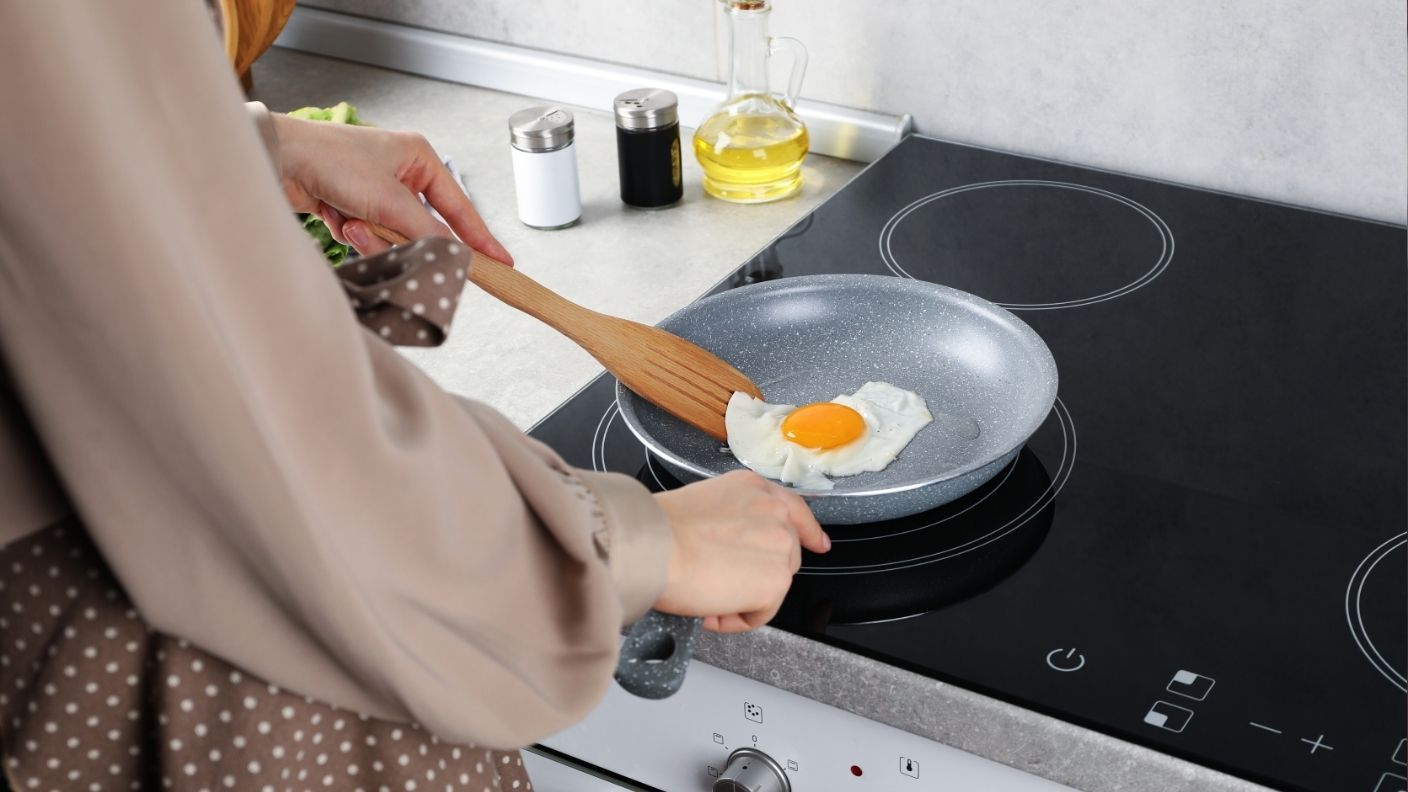

Flipping a fried egg feels like a coin flip of its own, and most people brace for the worst. One small adjustment to how the flip actually happens changes those odds completely.
Where the Yolk Lands Matters More Than the Flip Itself
The moment an egg hits the pan, the yolk settles somewhere, dead center or off to one side. That landing spot matters more than most people realize.
Checking it immediately is key. Wait too long and the white sets before anything can be adjusted.
Nudging the Yolk to One Side
If the yolk lands dead center, a gentle nudge with a spoon or a careful finger moves it toward one edge. This has to happen fast, while the white is still loose enough to shift.
That small adjustment sets up everything that comes next. Once the yolk is off to one side, the actual flip gets much easier to control.
Flipping Toward the Yolk, Not Away From It
Here’s the actual trick: flip in the same direction the yolk is sitting, not away from it. That way, the yolk travels the shortest possible distance to the other side.
Less distance means less chance for it to hit the pan hard or fold under the white. It’s a small directional choice that makes an outsized difference.
Keep the Egg Close to the Pan
A common mistake is lifting the egg too high during the flip, treating it like a pancake toss. That extra height adds momentum the yolk doesn’t need.
Sliding a thin spatula underneath and turning it like a page in a book, without lifting far, keeps the whole motion gentle. The less the egg travels through the air, the safer the yolk stays.
A Bigger Pan Makes This Easier
Using a pan larger than strictly necessary gives the egg room to move without crowding the edges. That extra space makes the actual flipping motion far less cramped.
A tight pan forces a rushed, awkward flip. Extra room lets the spatula slide in cleanly on the first try.
Timing the Flip Right
Flipping too early is one of the fastest ways to break a yolk. If the white hasn’t fully set, it won’t hold together as a single piece during the flip.
Waiting until the white turns from clear to solidly opaque gives the egg enough structure to survive the trip. Patience here matters as much as the technique itself.
RELATED ARTICLE: Scrambled Eggs vs. Fried Eggs: Differences & Variations
