


The Science Behind Blue Zones: What They Eat Every Day

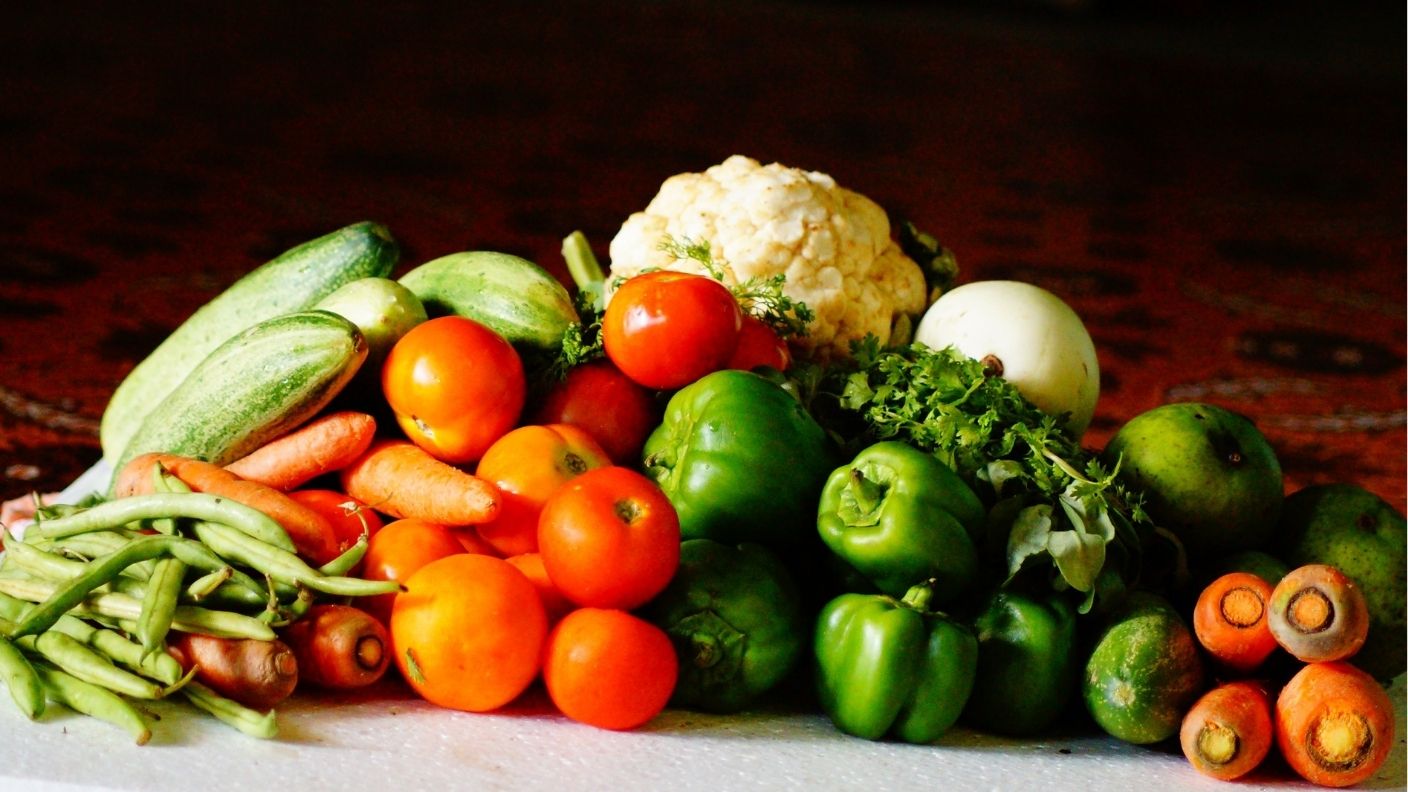

Researchers have spent decades studying five specific regions around the world where people routinely live past one hundred, in far better health than most of the aging population elsewhere. Diet keeps coming up as one of the clearest, most consistent factors behind it.
What actually shows up on the plate every single day follows a surprisingly consistent pattern across every one of these regions. Keep reading to see what the science has found.
Vegetables And Greens Fill Most Of The Plate
Vegetables and leafy greens make up the bulk of a typical Blue Zones plate. Recommendations based on this eating pattern call for at least two cups of cooked vegetables or four cups raw daily, with leafy greens like kale, chard and spinach appearing constantly.
That heavy reliance on plants delivers fiber and antioxidants at a scale most modern diets fall well short of. Vegetables are treated as the main event rather than a side dish squeezed in around meat.
Whole Grains And Beans Show Up At Nearly Every Meal
Beans and whole grains form the backbone of nearly every meal across these regions. Researchers have found that beans of some kind appear at almost every meal, whether that is black beans in Costa Rica, lentils in Greece or soybeans in Okinawa.
Bread and grains are almost always eaten in whole form rather than refined, delivering more fiber and minerals than a typical white bread or white rice would. Together, these two staples supply much of the protein and steady energy that fuels the rest of the day.
A Daily Handful Of Nuts Is Nearly Universal
Nuts show up as a near daily habit across Blue Zones populations. The general pattern points to roughly two handfuls of nuts a day, with almonds common in Sardinia and pistachios favored in Nicoya.
That small daily habit delivers healthy fats, protein and minerals in a form that requires no preparation at all. It is one of the easiest pieces of the pattern for anyone outside a Blue Zone to actually copy.
Olive Oil Is The Default Fat Almost Everywhere
Olive oil functions as the default cooking fat and dressing across most of these regions. A striking study out of Ikaria found that middle aged adults consuming around six tablespoons of olive oil daily saw their risk of dying cut roughly in half.
That is a dramatic number for something as simple as a cooking oil swap. Olive oil gets used generously rather than sparingly, drizzled over vegetables, bread and nearly everything else on the table.
Meat Plays A Small, Occasional Role At Most
Meat is far from absent in most Blue Zones, but it shows up sparingly rather than as the centerpiece of a meal. In four of the five regions, meat gets used more like a celebration food or a small flavoring element than a daily staple.
That restraint leaves far more room on the plate for the vegetables, beans and whole grains doing most of the nutritional heavy lifting. It is less about eliminating meat entirely and more about treating it as the exception rather than the rule.
None of these habits work like a single magic ingredient, the real pattern comes from all of them layered together, day after day, for decades. Sometimes the science behind living a genuinely long life really does come down to what fills most of the plate, day after day.
RELATED ARTICLE: The Food You Should Never Throw Away After Roasting Vegetables
