


The Practical Benefits of Hiring a Mobile Fridge


Cold storage is one of those things you barely notice when it’s working well—and feel immediately when it isn’t. A restaurant runs out of space before a busy weekend. A caterer needs chilled storage on-site for a wedding in the middle of summer. A retailer’s built-in refrigeration fails the day before a delivery arrives. In each case, the problem is the same: perishable stock needs a reliable, temperature-controlled environment, and it needs it quickly.
That’s where hiring a mobile fridge becomes genuinely useful. Not as a luxury, and not as a workaround of last resort, but as a practical tool for keeping operations moving without disruption. For many businesses and event organisers, temporary refrigeration offers a level of flexibility that fixed units simply can’t match.
When Temporary Refrigeration Solves Real Problems
The strongest argument for mobile fridge hire is simple: demand is rarely constant. Most businesses don’t need extra refrigeration every day of the year, but when they do need it, they often need it urgently.
Seasonal peaks and short-term overflow
Hospitality businesses know this pattern well. Summer events, Christmas bookings, festival season, and bank holiday weekends can all push chilled storage beyond normal capacity. Buying another permanent refrigeration unit to cover a few peak periods a year often doesn’t make financial sense. It ties up capital, takes up valuable space, and adds ongoing maintenance responsibilities.
Hiring, by contrast, lets businesses match capacity to actual demand. If you only need extra fridge space for a week, a month, or a specific trading period, temporary equipment gives you exactly that. It’s a more efficient way to handle fluctuations without overcommitting.
Events, pop-ups, and remote locations
Then there are situations where refrigeration is needed somewhere that doesn’t usually have it at all. Outdoor weddings, food festivals, sporting events, agricultural shows, film sets, and pop-up kitchens all rely on cold storage, but not necessarily in places designed for fixed infrastructure.
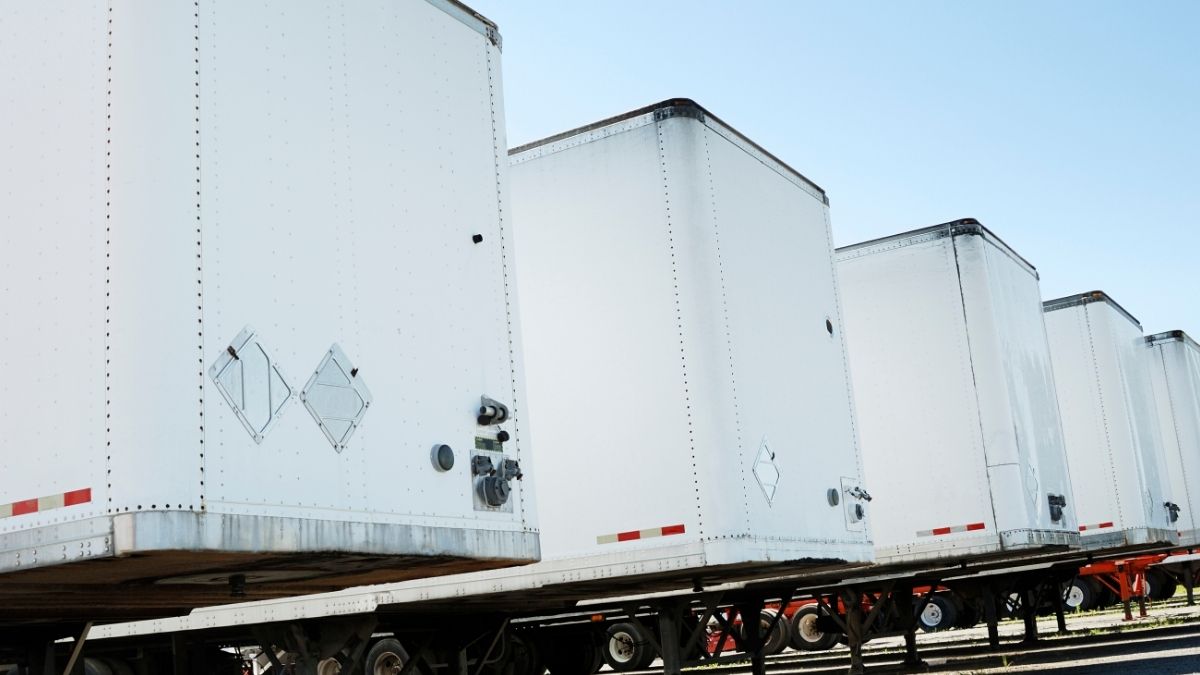
In those settings, mobility matters as much as temperature control. A hired fridge trailer or mobile unit can be positioned close to where stock is being prepared, served, or distributed. That reduces unnecessary handling, speeds up service, and lowers the risk of products sitting out too long during busy periods.
This is also why many operators turn to solutions designed specifically as portable cold storage for temporary use . The value isn’t just that the unit is cold; it’s that it arrives where it’s needed, for as long as it’s needed, without creating a permanent operational burden.
Why Hiring Often Makes More Sense Than Buying
For temporary or occasional needs, hiring is usually the more rational business decision. Not because ownership is inherently bad, but because refrigeration comes with costs that go well beyond the purchase price.
Lower upfront cost and fewer long-term obligations
Buying commercial refrigeration requires capital expenditure, installation planning, servicing, and eventual replacement. If the unit sits underused for large parts of the year, the return on that investment can look thin very quickly.
Hiring shifts the model. Instead of paying for full ownership, you pay for access during the period when the equipment is actually delivering value. That can be especially helpful for smaller operators, start-ups, and event businesses managing cash flow carefully.
There’s also the question of maintenance. Permanent equipment needs ongoing care, and breakdowns can become both expensive and disruptive. With hired equipment, those concerns are typically reduced because the provider is responsible for supplying a functioning unit suitable for the agreed use.
Speed, flexibility, and business continuity
Timing matters. If an existing fridge fails unexpectedly, waiting weeks for replacement equipment or a new installation may not be realistic. A mobile fridge can act as an emergency measure that protects stock and buys time to resolve the underlying issue properly.
That same flexibility helps during renovations, refurbishments, and relocations. A business doesn’t have to stop trading simply because its normal cold storage is temporarily unavailable. In practice, hiring can be less about convenience and more about resilience.
Where Mobile Fridges Deliver the Most Value
Some sectors depend on temporary refrigeration more than others, but the underlying logic is broad.
Food service and hospitality
Caterers, pubs, restaurants, event venues, and mobile food traders all benefit from flexible chilled storage. Stock levels can change dramatically from one booking to the next, and food safety leaves little room for compromise. Extra fridge space near the point of service can also improve workflow, especially during high-volume events where every minute counts.
Retail, healthcare, and specialist operations
Retailers may need temporary refrigeration during store refits, seasonal promotions, or equipment failure. Florists use cold storage to preserve quality around peak dates such as weddings and Mother’s Day. In healthcare and pharmaceutical contexts, temperature-sensitive items may require secure short-term storage during maintenance work or transport planning.
The use cases vary, but the operational question stays the same: is it better to create permanent capacity for an occasional need, or bring in temporary capacity only when required?
What to Check Before You Hire
Not every mobile fridge is right for every job, so planning still matters. A little thought upfront can prevent expensive or stressful mistakes later.
Capacity, access, and power
First, be realistic about volume. Underestimating capacity is common, especially when stock arrives in stacked crates, trays, or mixed packaging rather than neat shelf-ready formats. Think about how products will actually be stored and accessed during service.
Then consider the site itself. Is there enough room for delivery and positioning? Will staff have easy access throughout the day? Does the location have an appropriate power supply, or does the unit need a different setup? These practical details often matter more than people expect.
Temperature range and compliance
Different products have different storage requirements. Fresh produce, dairy, meat, drinks, and frozen goods each need suitable temperature conditions. If compliance is part of the equation—as it often is in food service—temperature reliability and monitoring should never be treated as secondary concerns.
A Flexible Solution That Fits the Real World
The appeal of a mobile fridge isn’t hard to understand. It offers extra capacity without permanent commitment, mobility without sacrificing control, and a way to respond quickly when conditions change. In industries where timing, product quality, and operational continuity all matter, that’s a meaningful advantage.
For some businesses, temporary refrigeration solves a one-off issue. For others, it becomes part of a smarter seasonal strategy. Either way, hiring a mobile fridge is less about patching over a problem and more about using resources in a way that fits how demand actually works in the real world.
