


The One Food Swap That Could Change Your Energy After 50

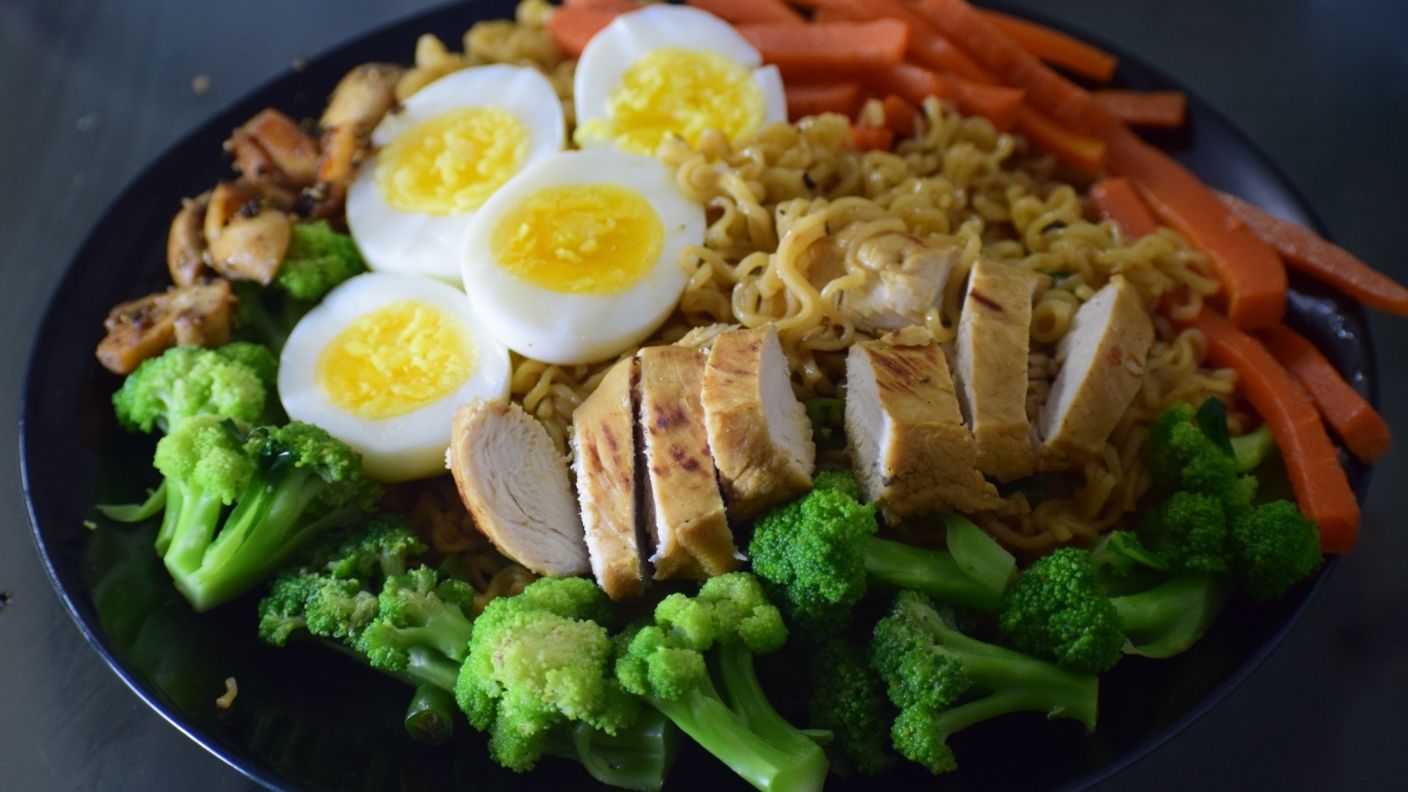

If you have hit your fifties and feel like your energy just is not what it used to be, you are far from alone. Dietitians say the culprit might not be your age at all, it might be sitting right there on your breakfast plate.
There is one small swap making the rounds among nutrition experts right now, and it barely takes any extra effort. Keep reading, because it might explain that stubborn afternoon slump.
The Real Reason Energy Dips After 50
Registered dietitian Tiana Barker has explained that your body needs fewer calories and nutrients as it gets older. That shift alone can make old breakfast habits feel a lot less satisfying than they used to.
The One Swap Everyone Keeps Mentioning
Wellness coach Chris Freytag says one of the biggest shifts she recommends is simply eating more protein at breakfast. Swapping cereal or toast for eggs, Greek yogurt or a protein smoothie is the specific change she points to most.
Why Protein Beats Refined Carbs For Energy
Refined carbs tend to spike blood sugar fast and then crash it just as quickly, which is exactly the rollercoaster that leaves people reaching for coffee by mid afternoon. Protein digests more slowly, which keeps energy steadier for hours instead of minutes.
Clinicians Are Backing This Up Too
Clinical nutritionist Danna Raphael has pointed out that a protein rich breakfast can reduce cravings later in the day. That means fewer afternoon snack attacks and a lot less reaching for something sugary just to stay awake.
A Swap That Does Not Feel Like A Diet
Nutrition guides increasingly point to pairing protein with fiber for steadier energy throughout the day. Nobody is asking anyone to give up carbs entirely, just to stop starting the day with only sugar and simple starches.
At the end of the day, this is not some extreme overhaul, it is one plate change that dietitians keep repeating for a reason. Trading a carb heavy breakfast for one built around protein might be the easiest fix for that afternoon crash.
RELATED ARTICLE: The One Thing Nutritionists Never Skip After 50
