


The Longevity Trend Women Are Suddenly Trying

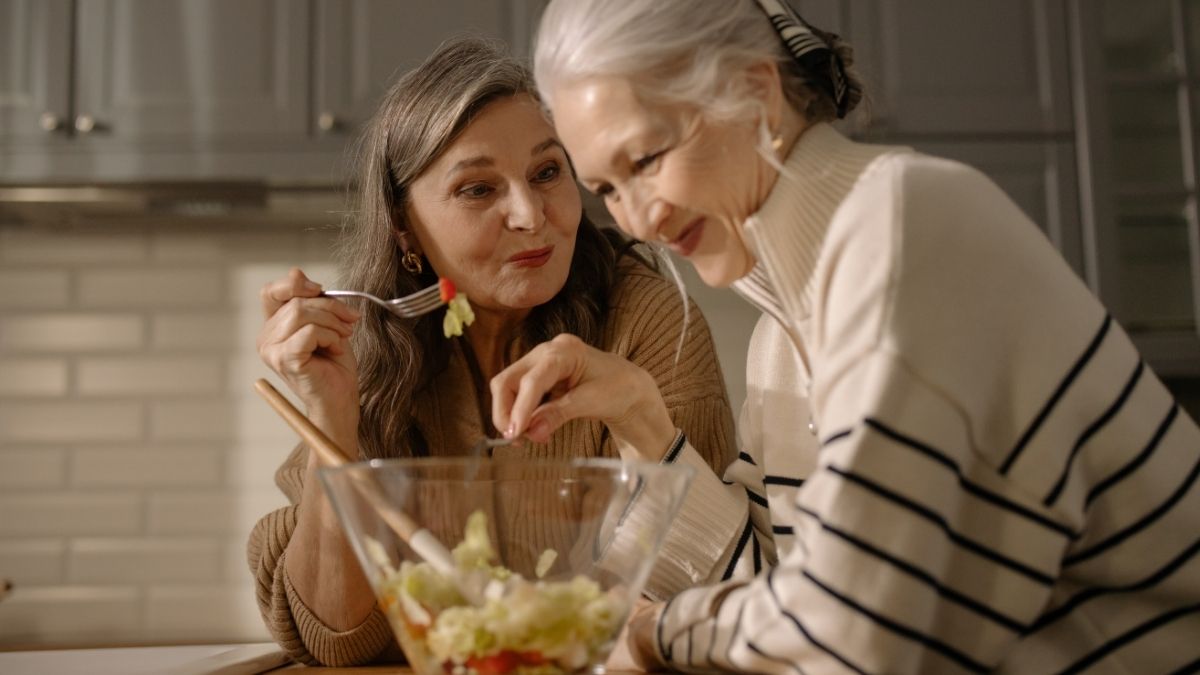

It does not come in a capsule. It does not require a sunrise routine or a $90 powder stirred into water. It is not even new. But the way women are suddenly talking about it, researching it, and actually committing to it suggests something has quietly shifted.
The eating pattern that keeps dominating longevity science has become something else entirely in 2025, less of a diet people try for a few weeks and more of a lifestyle women are choosing for the next thirty years. And the data behind why is hard to look away from.
The Eating Pattern That Keeps Winning
For the eighth consecutive year, U.S. News and World Report ranked the Mediterranean diet as the best overall diet, rated by a panel of 69 nutrition and diet experts. It also took the top spot for best diet for diabetes, gut health, and mental health, all in the same year.
That kind of consistency does not happen by accident. In 2025 alone, studies linked this way of eating to better brain health, lower cancer risk, reduced blood pressure, and improved weight management with better bone density. The research keeps arriving, and it keeps pointing in the same direction.
The Number That Stopped Everyone
A landmark Harvard-led study tracked 25,315 women for an average of 25 years and produced a figure that circulated widely through health media.
Women who closely followed a Mediterranean diet were up to 23% less likely to die during the study period than those who did not, with measurable biological changes that researchers linked to lower risks for both cancer and cardiovascular disease.
Even modest adherence moved the needle. Women who only moderately followed the diet still saw an 8% lower risk of dying compared to those who did not follow it at all. That is a meaningful return for simply shifting the balance of what ends up on the plate.
The Brain Protection Angle That Changed the Conversation
What turned the Mediterranean diet from a heart-health story into a full longevity obsession was a study published in Nature Medicine in August 2025.
Researchers from Mass General Brigham and Harvard found that people at the highest genetic risk for Alzheimer’s disease, those carrying two copies of the APOE4 gene variant, showed a dementia risk reduction of around 35% when they followed a Mediterranean-style diet closely.
CNN reported that a neurologist called it a “stop the presses” finding, noting it could change the current thinking that carrying the highest-risk genetic variants for Alzheimer’s amounts to an unavoidable outcome.
What the Plate Actually Looks Like
The Mediterranean diet is not a strict meal plan, which may be exactly why it keeps outperforming more rigid approaches. It centers on fresh fruits, vegetables, whole grains, legumes, nuts, olive oil, herbs, and fish, while pulling back on red meat, added sugars, and processed food.
The practical version of this is less complicated than it sounds. More olive oil, more fish, more plants, and far less of the packaged things that crowd out those foods. A way of eating that happens to map closely onto what most people already recognize as feeling good.
The reason so many women are suddenly leaning into this particular trend is not that it promises fast results or a dramatic transformation. It is that the science behind it has become too consistent, and too specific to women’s health outcomes, to keep treating it as something optional.
Decades of data, built one study at a time, have quietly made the case that the most powerful longevity tool available might already be sitting in your kitchen.
RELATED ARTICLE: 7 Anti-Aging Foods Doctors Say to Add After 40
