


The “Healthy” Foods That Are Silently Sabotaging Your Body


We all try to make better choices at the grocery store by reaching for labels that promise health and vitality. It feels good to fill the cart with items that look like they belong in a fitness magazine.
Unfortunately, many of these products are just clever marketing tricks designed to hide high levels of sugar and salt. You might be surprised to learn which staples in your pantry are actually doing more harm than good. Let’s dive into the truth behind these common supermarket traps.
Granola
Granola is often seen as the ultimate health food for active people. However, many brands use excessive oils and syrups to create that perfect crunchy texture. This turns a simple oat snack into something closer to a crushed-up cookie.
Consuming these “healthy” snacks frequently can lead to unintentional weight gain and energy crashes. Always check the label for hidden sugars like brown rice syrup or honey before you buy.
Veggie Chips
It is easy to think you are getting your daily greens when you eat a bag of veggie chips. In reality, these snacks are often made of potato starch and corn flour with just a dusting of vegetable powder. Most of the original nutrients are lost during the high-heat frying process.
These chips can be just as high in sodium and saturated fat as standard potato chips. You are much better off eating raw carrots or bell peppers for a real crunch.
Agave Nectar
Many people switched to agave nectar thinking it was a natural and safe alternative to white sugar. While it has a lower glycemic index, it contains extremely high levels of fructose. This can put a significant amount of stress on your liver over time.
High fructose intake is closely linked to increased liver fat and other metabolic issues. It is best to use all sweeteners sparingly, regardless of their “natural” label.
Gluten-Free Snacks
Choosing gluten-free options is a medical necessity for some, but many people buy them just for general health. To make up for the lack of gluten, companies often add extra fat and sugar to improve the taste. This makes many gluten-free cookies and breads less nutritious than their standard versions.
Relying on processed gluten-free goods can result in a lack of essential fibers and B vitamins. Focus on naturally gluten-free whole foods like quinoa or sweet potatoes instead.
Multi-Grain Bread
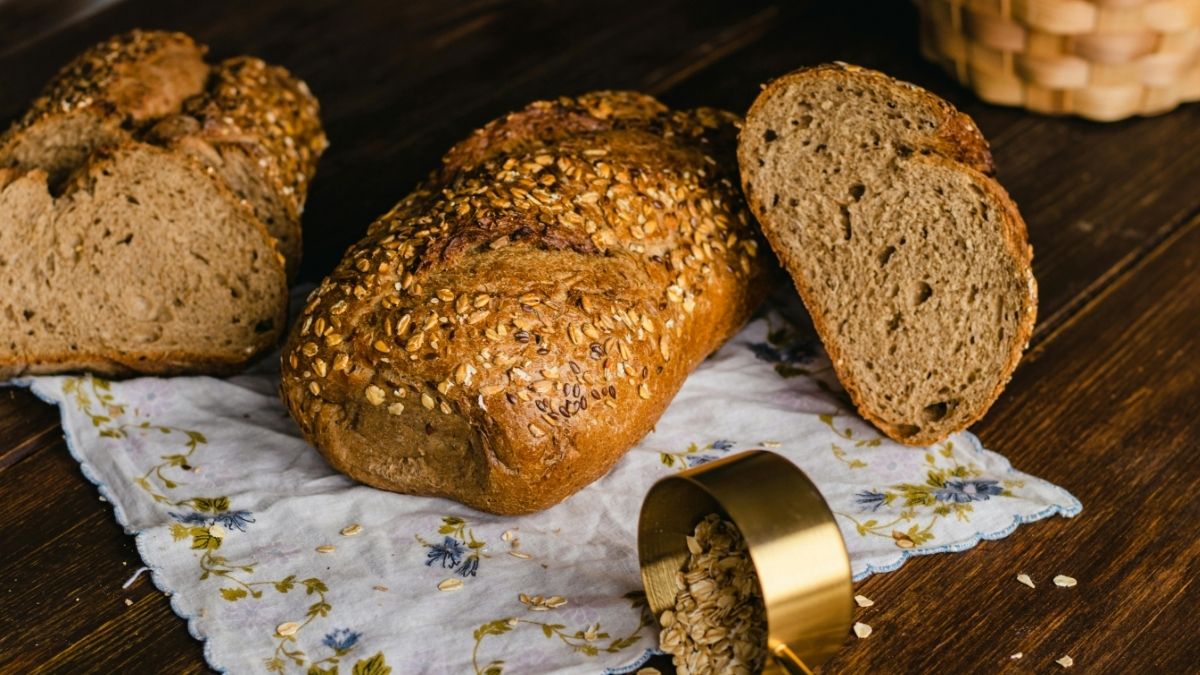
The term “multi-grain” sounds impressive, but it simply means the bread contains more than one type of grain. It does not guarantee that those grains are whole or unrefined. Most of these loaves are still made with refined white flour that has been colored with molasses.
To protect your heart, you should look for labels that specifically say 100% whole grain instead. Whole grains provide the fiber necessary for healthy digestion and steady, long-term energy.
