


The Halloween Candy You Should Start Buying Now Before It Disappears

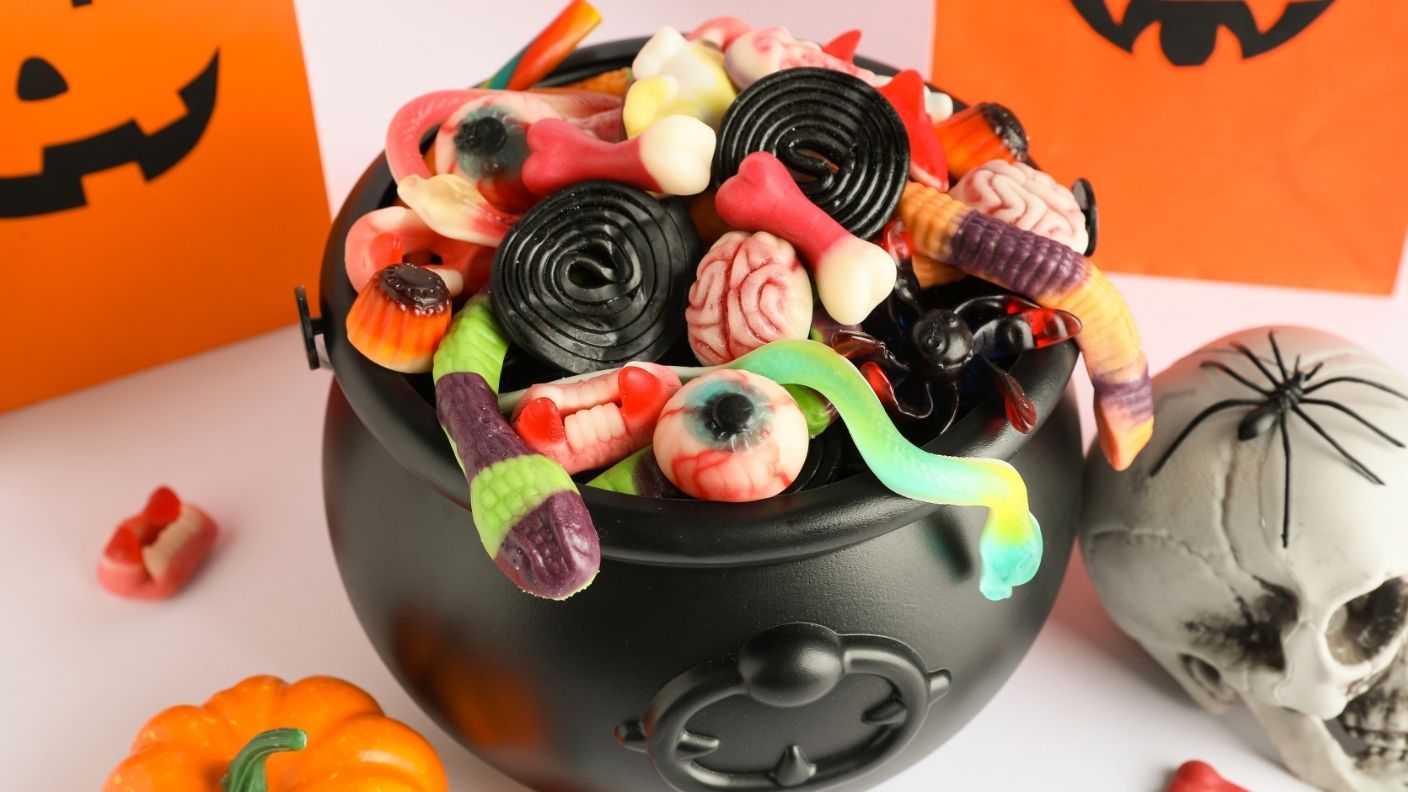

Waiting until the last week of October used to be the smart move, back when candy sat on shelves untouched until the final stretch before Halloween. That calculation doesn’t hold up the same way anymore.
Between shrinking supply, rising prices, and a growing list of items sold under a strict “while supplies last” label, some candy is worth grabbing well ahead of the actual holiday.
Peanut Butter Cups and Other Chocolate Favorites
Chocolate is facing real supply pressure this year, driven by a global cocoa shortage tied to poor harvests across West Africa. Ghana’s cocoa regulator has forecast a 16 percent shortfall for the current season, and Ivory Coast production is expected to drop by more than 10 percent.
That squeeze has already pushed chocolate candy prices up roughly 30 percent compared to last Halloween. Reese’s Peanut Butter Cups remain the top-selling item in the category, which means they’re also among the first to sell through once shelves start thinning out.
Anything Labeled a Limited-Run Release
Several major candy makers have started releasing Halloween products explicitly marked as available only “while supplies last,” rather than restocking them through the season. Oreo Ghosts, a dark chocolate and creme version of the classic cookie, launched under exactly that label this year.
Once a batch like this sells out, it’s typically gone for the season rather than reordered. If a seasonal item looks appealing on a first pass through the candy aisle, it’s worth grabbing then rather than circling back later.
Retailer-Exclusive Candy Drops
A growing number of Halloween treats are being released as exclusives tied to a single retailer, which narrows the window to find them considerably. A Fuzzy Count Chocula box is arriving as a Walmart.com exclusive this year, while a Reese’s Pumpkin Bowl is being sold only through Amazon.
These aren’t items that show up broadly across grocery chains once the retailer’s allocation runs out. Anyone hoping to get a specific exclusive is better off ordering as soon as it becomes available rather than waiting for it to show up somewhere else.
Collaboration Candy With a Set Release Window
Branded tie-ins between candy companies and entertainment franchises have started running on genuinely tight release schedules this year. M&M’S released a Practical Magic-themed spell and snack pack available only through specific timed online drops, rather than a normal in-store rollout.
Missing one of these narrow release windows usually means missing the product entirely, since there’s often no second batch produced. For anyone hoping to grab a specific collaboration item, it’s worth checking the exact release date rather than assuming it’ll still be around in a few weeks.
Classic Candy That’s Quietly Disappearing for Good
Beyond this year’s seasonal shortages, a longer-term pattern has been thinning out familiar candy shelves overall. Atomic Fireballs were discontinued in 2023, and Pixy Stix followed in 2024, both losses that surprised longtime buyers who assumed they’d always be around.
Company mergers and private equity acquisitions have accelerated this trend across the candy industry in recent years. If a favorite item is starting to look thin on nearby shelves, it’s usually a sign to stock up rather than assume next year’s supply will look the same.
Bags That Are Shrinking Even at the Same Price
Manufacturers have been trimming the piece count inside standard multi-packs as a way to manage rising cocoa costs without raising the sticker price outright. A shopper grabbing what looks like a normal-sized bag this year may be getting noticeably fewer pieces than the same bag held a year or two ago.
That makes buying earlier in the season somewhat more valuable, since restocked shelves later in October may reflect a newer, smaller packaging run. Comparing weight or piece count on the bag, rather than assuming the size matches last year’s purchase, has become a useful habit heading into the season.
Non-Chocolate Candy Taking Over Shelf Space
As chocolate becomes more expensive to produce, shelf space once reserved for chocolate bars is increasingly going to gummies and chewy candy instead. That category now makes up more than 40 percent of the overall confectionery market, a share that keeps climbing each year.
This shift means chocolate-specific items are getting a smaller footprint on store shelves relative to previous years, even before demand fully plays out. Anyone with a strong preference for a specific chocolate item should factor that shrinking shelf space into how early they shop.
Prices Climbing as the Season Goes On
Roughly 80 percent of shoppers expect to pay more for Halloween candy this year than they did last year, and that increase tends to compound as the holiday gets closer. A 100-piece assorted bag now averages well over $16, up from roughly $9 just a few years ago.
Buying earlier in the season, before demand peaks in the final two weeks before Halloween, is one of the more reliable ways to avoid paying the highest prices of the year. Waiting for a deeper discount closer to October 31st has become a riskier bet than it used to be.
RELATED ARTICLE: These Halloween Treats Are About to Take Over Grocery Store Shelves
