

The Halloween Candy That Parents Are Buying for Their Kids This Year


Candy aisles start filling with orange and black packaging earlier every year, and so does the debate over what actually belongs in the bowl. Between rising prices, changing tastes, and a few new textures nobody asked for, this season’s shopping list looks different than it did even a few years back.
Survey data from major candy makers and retailers this year points to some clear winners, along with a few surprising shifts in how parents are stocking up.
Reese’s Peanut Butter Cups Still Lead the Pack
Peanut butter cups remain the single most purchased Halloween candy among both parents and kids this year, a title they’ve held onto for several seasons running. Chocolate-and-peanut-butter combinations continue to outsell nearly every other format when parents are asked what they reach for first.
Kit Kat and Snickers round out the top tier for adult buyers specifically, according to recent purchasing data. Fruity, non-chocolate options like Sour Patch Kids and Skittles still lead among what kids actually reach for once the bowl is open.
Sour and “Extreme” Flavors Are Having a Moment
Close to 60 percent of candy shoppers this year say they’re specifically hunting for extreme flavor combinations rather than standard sweet options. Sour has taken the clearest lead, followed by sweet-spicy and sweet-tangy pairings that would have seemed unusual on a Halloween shelf a decade ago.
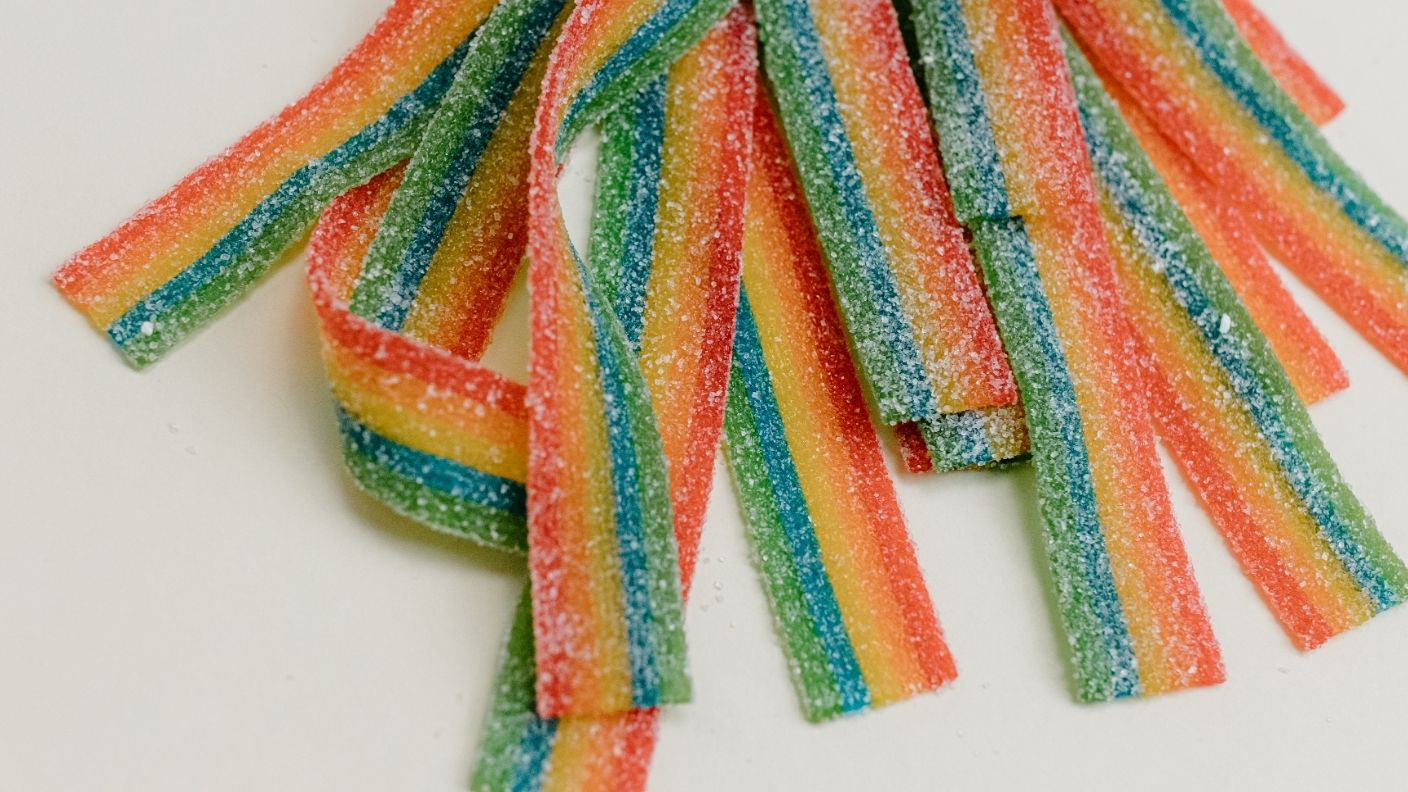
Products branded around intensity, like sour skull-shaped candies, have become a fixture of seasonal displays this year. That shift is pulling some parents away from the traditional candy bar entirely and toward the sour aisle instead.
Texture Is Driving New Purchases
Roughly 71 percent of candy buyers say texture now plays a real role in what lands in their cart, a shift that’s pushed freeze-dried candy into the mainstream this Halloween. The appeal is less about flavor and more about the snap or crunch a piece delivers.
Skittles POP’D, a version built specifically around a lighter, crunchier bite, launched with that exact demand in mind. It’s a sign that texture has become its own selling point, separate from taste or brand loyalty.
Gummies Are Closing the Gap on Chocolate
Chocolate still holds the top spot overall, but gummies are gaining ground fast enough that manufacturers have taken notice. Multi-layered and peelable gummy textures are showing up more often this year, designed to feel more interactive than a standard chewy candy.
Brand-and-flavor mashups, combining two familiar names into one product, are part of what’s pulling kids toward the gummy aisle specifically. For parents shopping the bowl, that often means stocking both formats instead of picking just one.
Reduced Sugar and Cleaner Labels Are Showing Up More
Instead of marketing candy as outright healthy, several major brands are leaning into what industry experts describe as “better” rather than “healthy” this year. That means smaller reformulations: a little less sugar, a shorter ingredient list, or portion-controlled packaging that still delivers a familiar treat.
Parents balancing Halloween indulgence with everyday nutrition goals seem to be responding to that middle ground rather than seeking out candy that reads as diet food. It’s less a dramatic shift and more a quiet nudge toward ingredient profiles that feel a bit more comfortable.
Non-Candy Treats Are Becoming a Regular Part of the Bowl
A meaningful share of households now keep a separate stash of non-food treats, part of a broader push tied to the Teal Pumpkin Project and rising awareness of food allergies among trick-or-treaters. Stickers, small toys, and glow bracelets are increasingly sitting right next to the candy bowl rather than replacing it.
This isn’t limited to allergy-conscious households either. Some parents are simply diversifying what they hand out, partly to stretch a shopping budget and partly to give kids something that isn’t just more sugar.
Smaller Pack Sizes Are Replacing Bulk Bags
Rising cocoa prices and general inflation have pushed a lot of parents toward smaller bags and multi-buy promotions instead of the jumbo bulk bags that used to dominate the seasonal aisle. Manufacturers have responded with their own pack-size adjustments, trimming portions while holding the line on individual piece pricing where they can.
That’s changed shopping habits in a practical way, with more parents making two or three smaller purchases across September and October rather than one big haul. It stretches the budget without cutting out any of the usual favorites entirely.
Buying Season Has Stretched Well Beyond October
More than half of U.S. adults now say Halloween functions as a full season rather than a single night, and candy purchasing has started to reflect that. Early buying in late summer, sometimes tied to what’s been nicknamed “Summerween,” has become common enough that some parents are stocking up well before the usual pumpkin displays go up.
That earlier timeline has changed the calculus for a lot of households, since candy bought in September has to survive weeks in a pantry before Halloween even arrives. It’s part of why smaller, resealable packaging has become more popular alongside it.
RELATED ARTICLE: The Grocery Store Foods Nutritionists Say Are Worth Buying More Often
