

The Halloween Candy That Has Been Around Longer Than You’d Guess

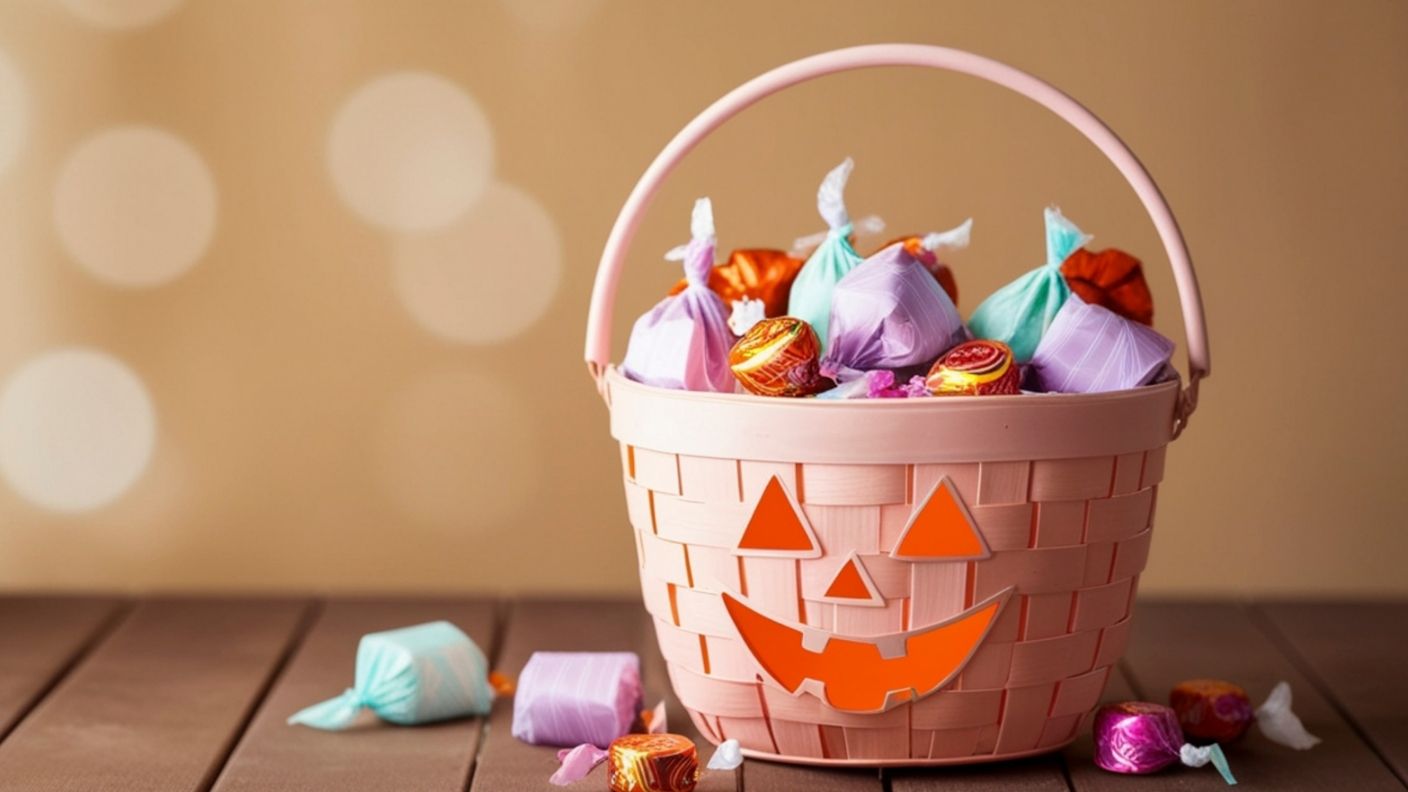

A candy bowl on Halloween night looks like a snapshot of whatever’s currently popular at the grocery store. Most of what actually ends up in it has been sitting on shelves for a lot longer than that snapshot suggests.
Several of the most familiar names in that bowl predate not just trick-or-treating as a modern tradition, but entire generations of the people handing them out.
Candy Corn
Candy corn traces back to the 1880s, when an employee at the Wunderle Candy Company named George Renninger developed the recipe. It wasn’t originally tied to Halloween or even to autumn at all, and it wasn’t even called candy corn at first, going instead by the far less appealing name “Chicken Feed.”
For most of its early life, it sold as a year-round penny candy rather than a seasonal item. Its harvest-toned colors only became associated with fall once individually wrapped Halloween candy became the norm in the 1950s, decades after the recipe itself already existed.
Tootsie Rolls
Tootsie Rolls started in 1896, created by a candy maker named Leo Hirschfield who named the chewy chocolate candy after his daughter’s nickname. He originally sold them for a penny apiece, a price point that stuck around remarkably long for a country that didn’t get its first electric traffic light until years later.
That kind of longevity is easy to overlook, since the wrapper design has barely changed and the candy itself still shows up in the same basic form. Few Halloween staples have stayed this visually consistent across more than a century of production.
Good & Plenty
Good & Plenty debuted in 1893, making it one of the oldest continuously produced candy brands still sold in the United States today. The pink and white capsules, built around a black licorice center, came from the Quaker City Chocolate and Confectionery Company in Philadelphia.
That continuous production record matters more than it might seem, since plenty of candies from that same era have simply disappeared. Good & Plenty has weathered multiple ownership changes over more than a century without ever actually stopping production.
Necco Wafers
Necco Wafers go back even further than Good & Plenty, with roots tracing to 1847 and an English immigrant named Oliver Chase, who built a machine specifically to cut candy lozenges. Soldiers carried them during the Civil War, long before anyone was handing them out at a front door in October.
Production did pause for a couple of years after a 2018 bankruptcy, but the Spangler Candy Company picked the brand back up and resumed making them in 2020. That near-two-century run makes Necco Wafers one of the oldest candies still findable in a Halloween mix today.
Life Savers
Life Savers were developed in 1912 by an Ohio candy maker named Clarence Crane, who wanted something that could survive summer heat better than chocolate could. The distinctive hole in the middle came from borrowing pharmacy machinery originally built to punch out pills.
Crane sold the formula the following year for under three thousand dollars, a deal that turned into one of the more successful candy businesses of the twentieth century. The five-flavor roll most people recognize today didn’t actually arrive until 1935, more than two decades after the original mint version launched.
Mary Janes
Mary Janes launched in 1914, developed by Charles N. Miller after he mixed peanut butter into molasses to create a softer, chewier taffy than what was typically available at the time. He named the candy after his favorite aunt, pairing it with a mascot that’s barely changed since.
Sold originally under the slogan “Use your change for Mary Janes,” the candy has passed through several different owners over the decades without losing its identity. That’s a long run for a candy built on a formula this simple, still recognizable by both name and wrapper more than a century later.
Milk Duds
Milk Duds arrived in 1928 out of Chicago’s Hoffman and Company, with a name that came directly from a manufacturing failure rather than any clever marketing idea. The company had been trying to produce a perfectly round caramel and chocolate candy, and when that shape never worked out, the resulting lumpy pieces got called “duds.”
That accidental shape became the whole point rather than something to hide, and it’s remained essentially unchanged for nearly a century. Few candies wear a literal manufacturing mistake as proudly, or for as long, as Milk Duds still do.
Bit-O-Honey
Bit-O-Honey entered the market in 1924, courtesy of the Chicago-based Schutter-Johnson Company, built around a honey-flavored taffy studded with bits of almond. It originally came as a bar divided into six segments, a format that eventually gave way to individually wrapped pieces better suited for trick-or-treating.
The brand has changed hands several times since, most recently landing with the Spangler Candy Company, without ever disappearing from shelves entirely. A candy built around this specific flavor combination has managed to stay recognizable for a full century of ownership changes.
RELATED ARTICLE: The Old School Dessert That Is Suddenly Everywhere Again
