


The Fall Grocery List Nutritionists Would Build for a Busy Week

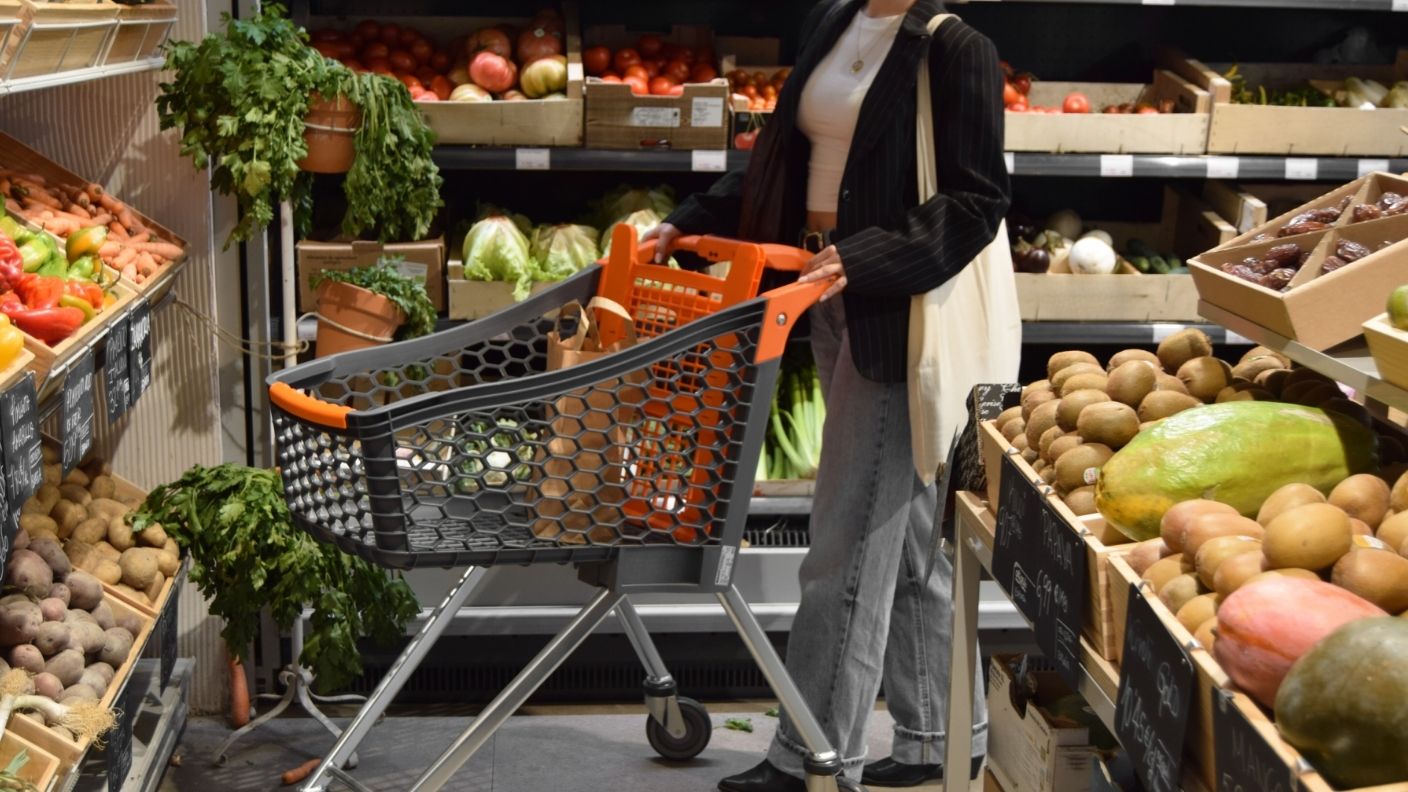

A grocery list built around a specific season is really a shortcut for eating well without overthinking every trip. Fall brings its own set of ingredients that happen to be fresher, cheaper, and more nutrient-dense than usual, which makes this the easiest time of year to build a list that actually holds up through a busy week.
Anchor the Cart With Fall Produce
September and October bring a genuine overlap of produce, and a lot of it is worth building meals around specifically because it’s in peak season. Guides to the month point to apples, pears, winter squash, beets, and Brussels sprouts as reliably fresh and widely available right now.
These items also tend to hold up well in the fridge for several days, which matters more during a busy week than delicate summer produce that spoils fast. Buying a mix of a few sturdy vegetables and a couple of fruits covers both cooking and snacking without much extra thought.
Stock Protein That Reheats Well
A realistic fall list leans on proteins that hold up through multiple meals rather than needing to be cooked fresh each time. Chicken thighs, ground turkey, eggs, and canned beans all fit that description, reheating without losing much texture or flavor days after the original meal.
Rotating a couple of these into soups, stews, or grain bowls stretches a single grocery trip across several dinners. That kind of built-in flexibility is what actually makes a list realistic for someone without much time to cook nightly.
Add Whole Grains That Work Both Hot and Cold
Fall cooking leans naturally toward warm grains like oats, farro, and brown rice, all of which can be batch-cooked at the start of the week and reused in different meals. A pot of grains made once can become a warm side one night and a cold grain bowl base a few days later.
These same grains pair easily with the roasted vegetables already likely to be on the list, cutting down on how many separate components need to be planned. That overlap is part of what keeps a seasonal list efficient rather than sprawling.
Include a Few Warming Pantry Staples
Canned tomatoes, broth, and a couple of dried spices turn produce and protein already on the list into an actual meal without much additional effort. These staples are shelf-stable, which means they don’t need to be bought fresh each week the way produce does.
Having them on hand also makes it easier to turn odds and ends, like the last of a bag of vegetables, into a soup rather than letting them go to waste. That kind of built-in flexibility matters more during a busy stretch than a longer list of single-use ingredients.
Round Out With Fall Fruit for Snacking
Apples, pears, and grapes hold up well without refrigeration for at least a few days, making them a low-effort snack option compared to more delicate summer fruit. They travel well too, which matters for anyone packing lunches or snacks during a busy week.
Buying a mix of a couple of fall fruits alongside the rest of the list covers snacking without needing a separate shopping trip later in the week. It’s a small addition, but one that fills a gap a produce-and-protein-focused list can otherwise miss.
RELATED ARTICLE: 9 Comfort Foods to Make When the Weather Finally Cools Down
