


The Everyday Lunch That Fits the Mediterranean Diet Perfectly

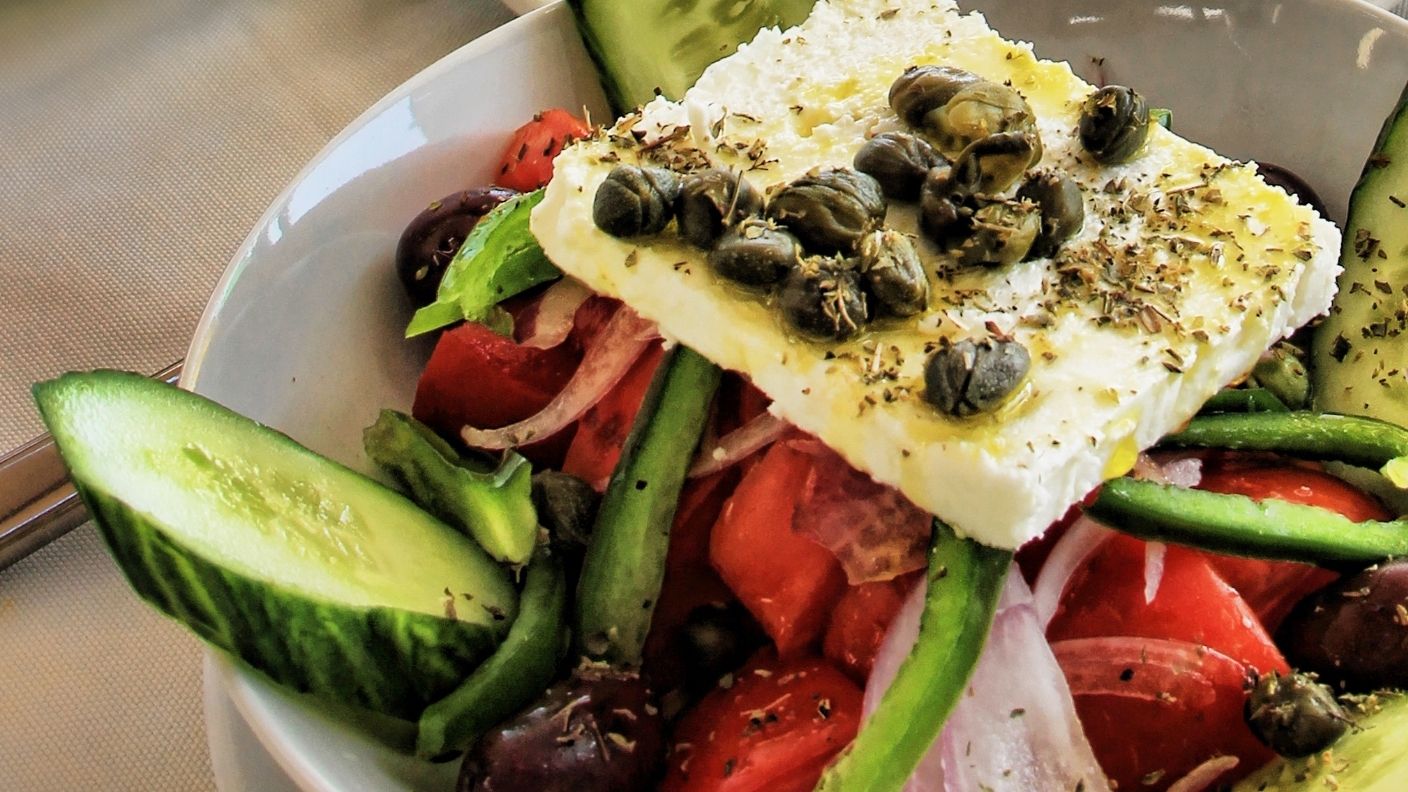

The Mediterranean diet is one of the most researched and consistently praised ways of eating on the planet, and yet most people imagine it as something out of reach, a summer vacation thing, a restaurant thing. A Greek salad proves otherwise in about fifteen minutes flat.
What a Mediterranean Lunch Actually Looks Like
A proper Mediterranean lunch is not a diet plate. It is built around plant-based foods, healthy fats, quality protein, and fiber-rich ingredients, eaten without rushing and without stripping out the things that make food taste good.
The key to a satisfying Mediterranean midday meal is combining a source of protein, colorful vegetables, complex carbs, and healthy fats. That balance is what keeps you energized through the afternoon instead of fighting a slump. Lunch in Mediterranean culture is not an afterthought grabbed at a desk. It is the meal that carries you.
The Greek salad, known in Greece as Horiatiki, is exactly that. No cooking required, no complicated technique, just a handful of fresh ingredients that happen to tick every box the Mediterranean diet asks for.
The Star Ingredients and Why They Matter
Every ingredient in a Greek salad is doing real work, which is why the formula has stayed the same for centuries.
Ripe tomatoes and crisp cucumbers form the base, providing water content, fiber, and natural sweetness.
Kalamata olives bring briny depth and healthy monounsaturated fats, the same type found in extra virgin olive oil.
Red onion adds sharpness and antioxidants, and a quick ten-minute soak in cold water mellows it considerably if raw onion is too much for you.
Green bell pepper contributes crunch and vitamin C, and feta brings the protein and rich saltiness that makes this a meal rather than a side dish. The dressing is simply extra virgin olive oil and red wine vinegar. That is it.
What to Be Careful About
The olive oil you use matters more than most people expect. Poor-quality oils can go rancid quickly and may contribute to inflammation rather than reducing it, which defeats the whole point. Look for bottles labeled extra virgin, stored in dark glass or tins, and use it within three months of opening.
Block feta packed in brine is always better than pre-crumbled feta, which tends to be dry and often contains anti-caking agents. Break it into large thick pieces yourself.
Underripe tomatoes are the single most common thing that ruins a Greek salad, so if good fresh tomatoes are not available, cherry tomatoes are the most reliable year-round alternative.
More broadly, the Mediterranean diet asks you to limit processed foods, refined oils, and added sugars, not as strict rules, but as a general direction. This lunch does none of those things, which is part of why it works so well.
The Recipe: Classic Greek Salad (Horiatiki)
This serves two and takes around fifteen minutes from start to finish.
Ingredients:
For the salad:
- 3 ripe tomatoes, cut into wedges
- 1 English or Persian cucumber, sliced into half-moons
- 1 green bell pepper, cut into squares
- ½ red onion, thinly sliced
- ½ cup pitted Kalamata olives
- 150g block feta cheese in brine, cut into thick slabs
For the dressing:
- 4 tbsp extra virgin olive oil
- 1½ tbsp red wine vinegar
- 1 tsp dried Greek oregano
- Pinch of flaky sea salt
To serve:
- Thick slices of whole grain or sourdough bread
Steps:
Step one. Place the sliced red onion in a small bowl of cold water and set aside for ten minutes. This mellows the sharp raw bite while keeping the crunch fully intact. Drain and rinse before using.
Step two. Add the tomatoes, cucumber, bell pepper, drained onion, and olives to a large serving bowl.
Step three. Sprinkle with a pinch of sea salt and half the oregano. Drizzle with the olive oil and red wine vinegar, then give everything a very gentle toss so nothing gets crushed.
Step four. Lay thick slabs of feta on top of the salad. Sprinkle with the remaining oregano and a final drizzle of olive oil. Do not toss once the feta is on. Let it sit proud on top.
Step five. Let the salad rest for five minutes so the tomatoes release their juices and everything comes together. Serve with thick slices of bread to soak up the dressing pooled at the bottom of the bowl.
A tin of good-quality tuna or a handful of cooked chickpeas makes a nice addition if you want extra staying power.
The salad keeps for up to two days in the fridge undressed, making it excellent for meal prep.
Dress only what you plan to eat immediately, and a small bowl of hummus on the side rounds out the meal in the most Mediterranean way possible.
RELATED ARTICLE: The “Everyday” Mediterranean Dinner You Can Make in 20 Minutes
