

The Cooking Habit That Can Save Time, Money, and Stress All at Once


Coming home exhausted on a weeknight and still needing to cook an entire meal from scratch is exactly the moment takeout starts to look tempting. Most people do not have the energy to cook twice as much just to plan ahead for a future busy night.
Dietitians point to one specific cooking habit that tackles time, money and stress all in a single move. Keep reading to see what it is and how little extra effort it actually takes.
The Habit Comes Down To Doubling What You Already Cook
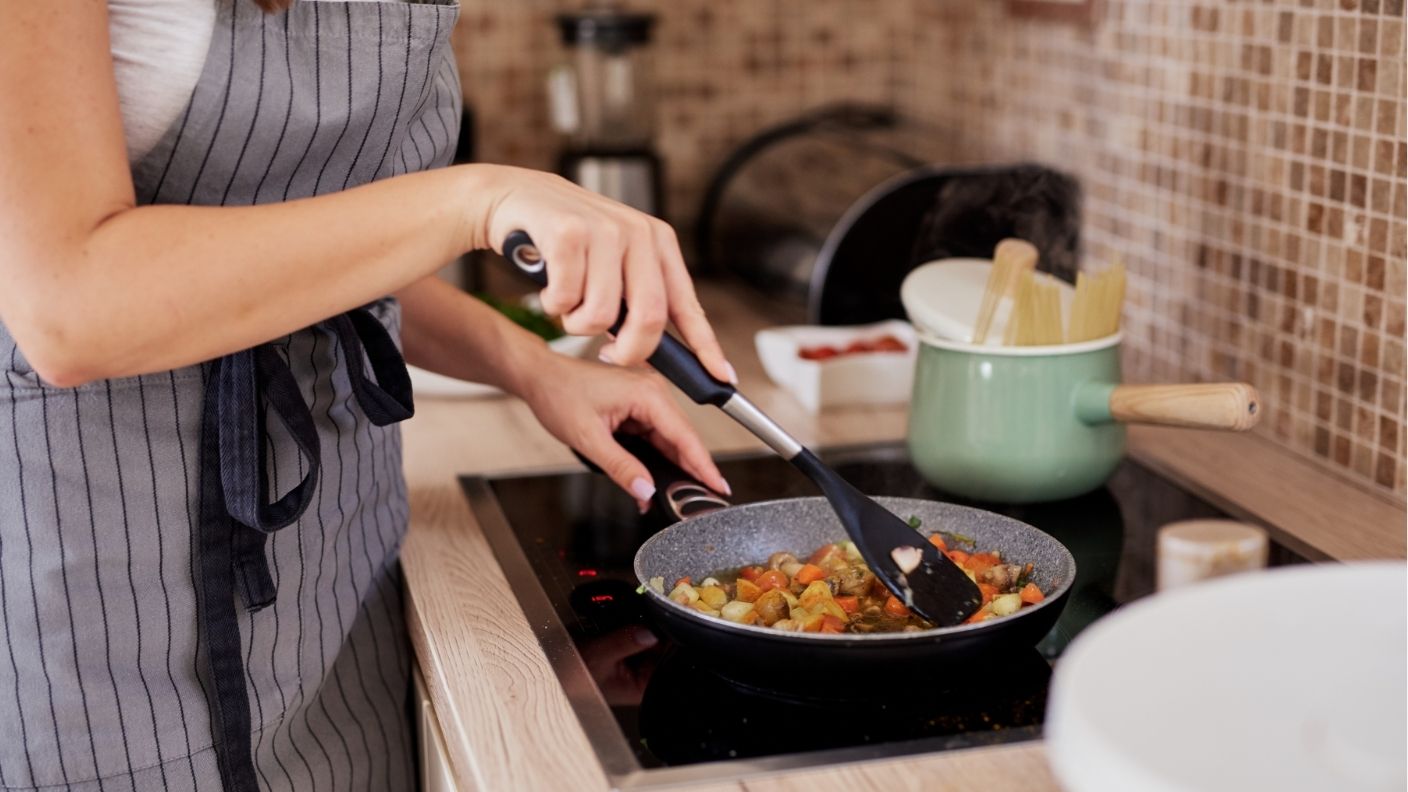
The habit itself is simple, doubling whatever is already being cooked and freezing the extra portion for later. Registered dietitian Mary Finckenor has said batch cooking simply means preparing more food than needed for one meal, so there is already something ready to go on a future busy night.
Nothing about the actual recipe changes, the ingredients and the process stay exactly the same. The only real difference is cooking a bigger pot and setting half of it aside before serving.
It Barely Takes Any Extra Time At The Stove
The most surprising part of this habit is how little extra time it actually requires. Cooking a doubled batch typically only takes ten to twenty percent longer than cooking a single portion, not twice as long as people usually assume.
That means a pot of chili or a batch of soup barely costs any more active time to make, even though it produces an entire second meal. The extra effort is almost entirely front loaded into one cooking session instead of two separate ones.
The Savings Add Up Fast
Beyond the time saved, the financial benefit adds up quickly too. Households that batch cook regularly have reported saving as much as twenty to forty dollars a month, largely by avoiding last minute takeout on nights when cooking otherwise felt impossible.
Having a home cooked meal already waiting in the freezer removes the temptation to order delivery out of sheer exhaustion. That single swap, delivery to a frozen leftover, is often where most of the actual savings comes from.
Not Every Dish Freezes Equally Well
Not every meal holds up equally well after a stint in the freezer. Soups, stews, chili and casseroles freeze particularly well, while dishes built around delicate greens or cream based sauces tend to separate or lose texture once thawed.
Sticking to recipes that are already forgiving, the kind that taste just as good reheated as they did fresh, makes the whole habit far more reliable. Picking the right meals to double is really the only skill this habit actually requires.
So the next time a pot of soup or chili is already on the stove, doubling it might be worth the small extra effort. Sometimes the easiest way to fight future stress is simply cooking a little more of what is already cooking tonight.
RELATED ARTICLE: 7 Amazon Kitchen Gadgets That Make Cooking From Scratch So Much Easier
