


The Busy Person’s Guide to Better-Tasting Leftovers

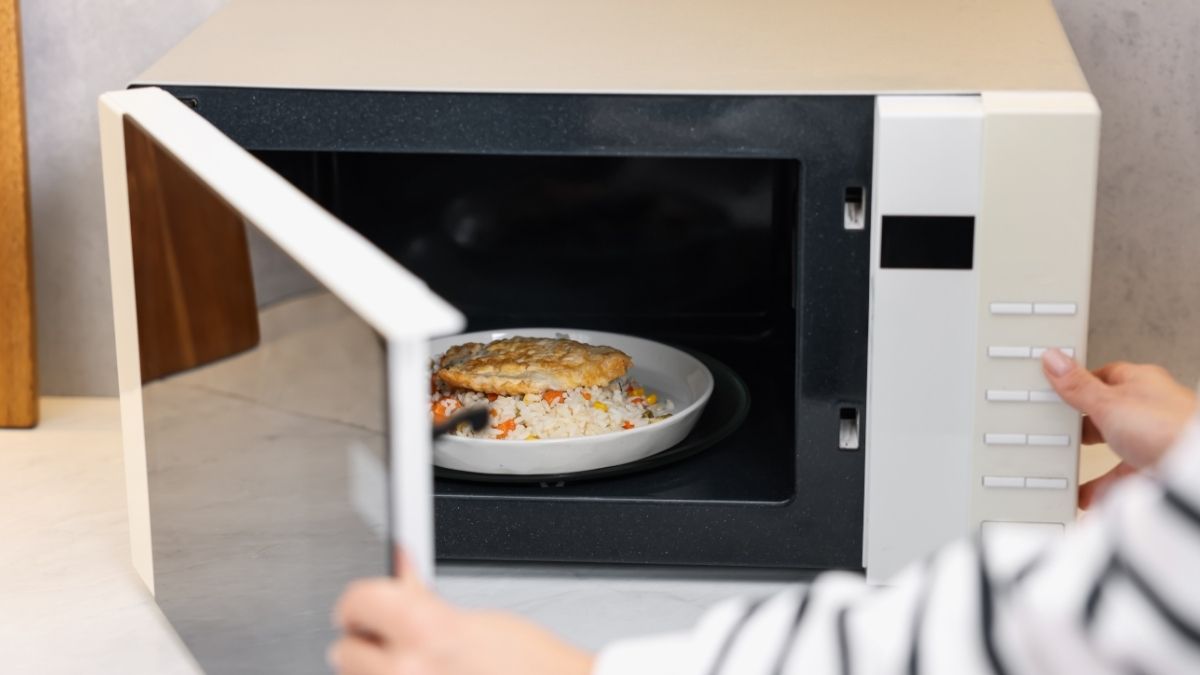

Leftovers get a bad reputation, and some of the time, it’s deserved. Reheated pasta that’s gone gummy, soggy fries and soup that somehow tastes both bland and too salty all add to the leftovers slander. But the problem usually isn’t the food itself. Instead, it’s how you stored it, reheated it or both. A few small habit shifts can turn yesterday’s dinner into something you actually look forward to eating.
Why Leftovers Taste Worse
Before you can fix leftovers, it helps to understand why they go wrong in the first place. When food cools and sits overnight, a few things happen at once. Moisture moves around and redistributes unevenly, which is why reheated rice goes dry in some spots and sticky in others.
Starches in pasta and grains increase and firm up as they cool, a process called retrogradation. Unfortunately, reheating doesn’t always fully undo it. Proteins in meat and fish continue to contract slightly, which is part of why chicken thighs can taste rubbery the next day, even if they were perfect the first time around.
There’s also oxidation to think about. Cut vegetables, cooked grains and sauces all interact with air in the fridge, which dulls their flavor over time. This is all chemistry, and once you understand it, the fixes start to make sense.
Storage Basics
Most of the damage to leftovers happens before you even open the fridge the next day. The single biggest mistake is putting food away too hot or in containers that aren’t airtight. Hot food releases steam inside a sealed container, which then condenses and makes everything wet. That moisture is what makes rice clump and pastry go soft. Let food cool for 20 to 30 minutes before covering it, but don’t leave it sitting out for longer than that.
Container choice matters more than people realize. Shallow containers let food cool faster and more evenly, which slows bacterial growth and preserves texture better. Glass holds up better than plastic for acidic foods like tomato-based sauces, which can absorb plastic flavor over time. If you’re storing something with a sauce or broth, keep the liquid separate where you can. It gives you more control when you reheat.
It’s also important to label your containers with the date. That sounds obvious, but most people don’t actually do it. Leftovers are generally good for three to four days in the fridge, and knowing exactly when you made the dish saves you from the sniff-and-guess routine.
Reheating the Right Way for Each Food Type
Reheating is where most leftovers either get saved or ruined, and the microwave is not always the right call. For instance, if you reheat your food in plastic containers, you might end up with endocrine-disrupting chemicals in your meals.
For pasta, add a small splash of water before reheating. It reintroduces moisture and helps the starch loosen up again. Cover the dish loosely so the steam stays in. If you have a few extra minutes, a pan on the stovetop with a little olive oil works even better, especially for pasta with a sauce that can handle some browning at the edges.
Soups and stews reheat well in a pot on the stovetop over medium-low heat. Stir occasionally and add a small splash of water or stock if the liquid has reduced. The microwave is fine for soup in a pinch, but it heats unevenly, so stir it halfway through.
Fried and crispy foods need dry heat to come back to life. A hot oven around 400 degrees or an air fryer does the job. Putting fries or fried chicken in a microwave just steams them, and steam is the enemy of the crunch. Give anything breaded or crispy eight to 10 minutes in a hot oven on a wire rack so air can circulate underneath.
Meat is the trickiest. Chicken and pork dry out fast, so reheat them covered with a little moisture added and take them off the heat as soon as they’re warmed through. Don’t push for piping hot, or you might end up with dried meat.
How to Make Leftover Food Taste Better
Before you eat your leftovers, add something fresh. A squeeze of lemon or lime juice brightens almost anything. A few fresh herbs like parsley, coriander or basil on top add color and a layer of flavor that reheating can’t replicate. A small drizzle of good olive oil over pasta or grains brings back some of the richness that got lost overnight.
Rather than thinking you’re disguising or reviving old food, think about complementing food that’s already good but needs a small lift. The fresh addition makes it feel like a new meal rather than an afterthought.
A handful of salad leaves on the side, some sliced avocado or even a fried egg on top can shift leftovers from “fine” to genuinely satisfying. It costs almost no effort and completely changes the experience.
Meal Planning
Some dishes are built for leftovers. Choosing the right recipes makes everything easier. Braises, roasts and grain-based dishes all hold up well. A slow-cooked lamb shoulder, a big pot of lentils and a sheet pan of roasted vegetables are foods that stay good for several days and reheat without much fuss. Delicate foods like pan-fried fish or anything with a cream sauce are harder to revive and better eaten fresh.
If you’re cooking with leftovers in mind, cook slightly more than you need. An extra chicken breast, an extra portion of rice and a few extra lemon squeezes cost you almost nothing in effort and give you a head start on the next day’s lunch. Some people go further and do a full meal prep session once a week. That works well if you’re consistent, but even cooking a slightly larger dinner a few nights a week adds up quickly.
A Few Foods That Are Better the Next Day
Not everything suffers in the fridge. Some dishes actually improve overnight. Chili is almost always better the next day, as is a curry. The spices have more time to bloom and the flavors meld together in a way that just doesn’t happen in the first hour of cooking.
The same goes for most bean dishes, lentil soups and slow-cooked stews. Bolognese sauce is another one. Give it a night in the fridge, and it tastes richer and more developed than it did fresh off the stove.
If you’re making any of these, it’s worth cooking a big batch. Day two chili with some cornbread or a fried egg on top is a satisfying meal that only takes a little extra planning on the day of cooking.
The Rest is Delicious
Leftovers have never really been the problem. The habits around them have been. Store food properly, and you’re already ahead of most people. Reheat it with a little intention, add something fresh before you eat, and yesterday’s dinner stops feeling like a consolation prize and more like a plan.
