


The “Better Butter” Trick for Everything You Cook


Butter isn’t the villain it was once made out to be, but it does come with a significant amount of saturated fat, and one tablespoon already accounts for more than half of the American Heart Association’s recommended daily limit for saturated fat. The good news is that swapping it out doesn’t mean sacrificing flavor or richness. In most cases, the alternatives are actually better suited to the job at hand.
Extra Virgin Olive Oil for the Stovetop
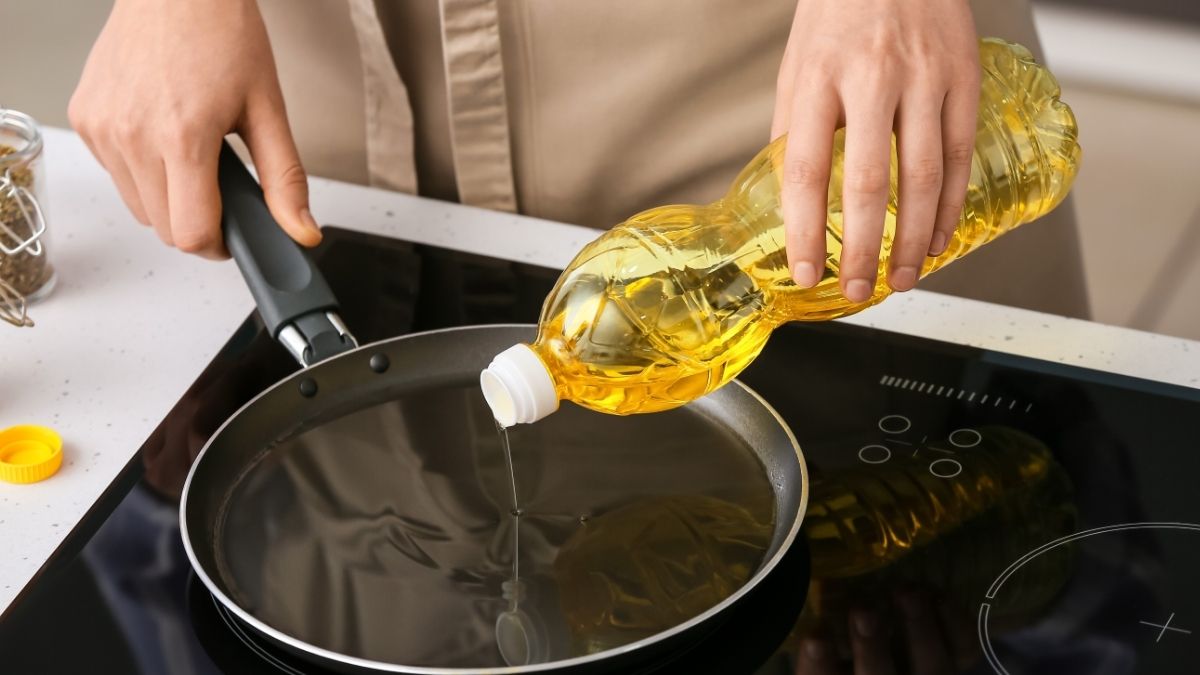
For anything that happens on the stove, extra virgin olive oil is the straight swap that requires almost no adjustment. It sautés vegetables, browns meat, finishes pasta, and coats a pan just as well as butter, while replacing artery-clogging saturated fat with heart-protective monounsaturated fat. Research has consistently linked regular olive oil consumption to a reduced risk of cardiovascular disease.
The key is using high-quality extra virgin, not a heavily processed blend. The more robust the oil, the more flavor it brings to everything it touches, and the more of those antioxidants and polyphenols actually make it to your plate.
Ghee for High-Heat Cooking
When the recipe calls for real heat, butter has a problem: it burns. Butter’s smoke point sits at around 350°F, while ghee, which is clarified butter with the milk solids removed, handles temperatures up to 485°F without degrading. That makes it the better choice for searing, frying, and roasting at high temperatures.
Ghee also carries a concentrated, nutty richness that makes it deeply satisfying to cook with. It is naturally free of lactose and casein, which makes it a practical option for anyone with dairy sensitivity, and it keeps at room temperature for months without spoiling.
Mashed Avocado for Spreading and Baking
On toast, in sandwiches, or anywhere butter is used cold as a spread, mashed avocado is a near-perfect replacement. One serving contains zero cholesterol, zero sodium, and just one gram of saturated fat, while delivering nearly 20 vitamins, minerals, and phytonutrients.
In baking, it works on a 1:1 ratio and brings a creamy, moist texture to muffins, brownies, and quick breads. Its flavor is mild enough to go undetected in most recipes once baked in, especially anything chocolate-based, which pairs particularly well with avocado’s natural richness.
Nut Butter for Toast and Sweet Baking
For morning toast, pancakes, or waffles, swapping butter for a spoonful of almond or peanut butter adds fiber, protein, and heart-healthy fats in the same move. It works as a fat replacement in baked goods too, lending a nutty flavor that often allows you to reduce the added sugar in a recipe.
The swap requires no technique and almost no thought, which is part of why it’s worth building into a regular rotation. The nutritional return compared to a pat of cold butter on toast is significant, and most people find the flavor trade genuinely enjoyable rather than a compromise.
Applesauce for Soft Baked Goods
In cakes, muffins, and dense quick breads, unsweetened applesauce replaces butter beautifully. It cuts calories and fat while adding moisture and natural sweetness, often allowing for a reduction in added sugar at the same time. The high fiber content from the apples also brings a gentle cholesterol-lowering benefit that butter simply cannot offer.
The rule of thumb is a 1:1 ratio, though results vary slightly by recipe. It works best in softer, denser baked goods rather than anything requiring a crisp or flaky texture, where real butter is still doing structural work that no substitute can fully replicate.
