


The Best Ground Meat for Burgers, Meatballs, Tacos and Meatloaf Isn’t Always the Same

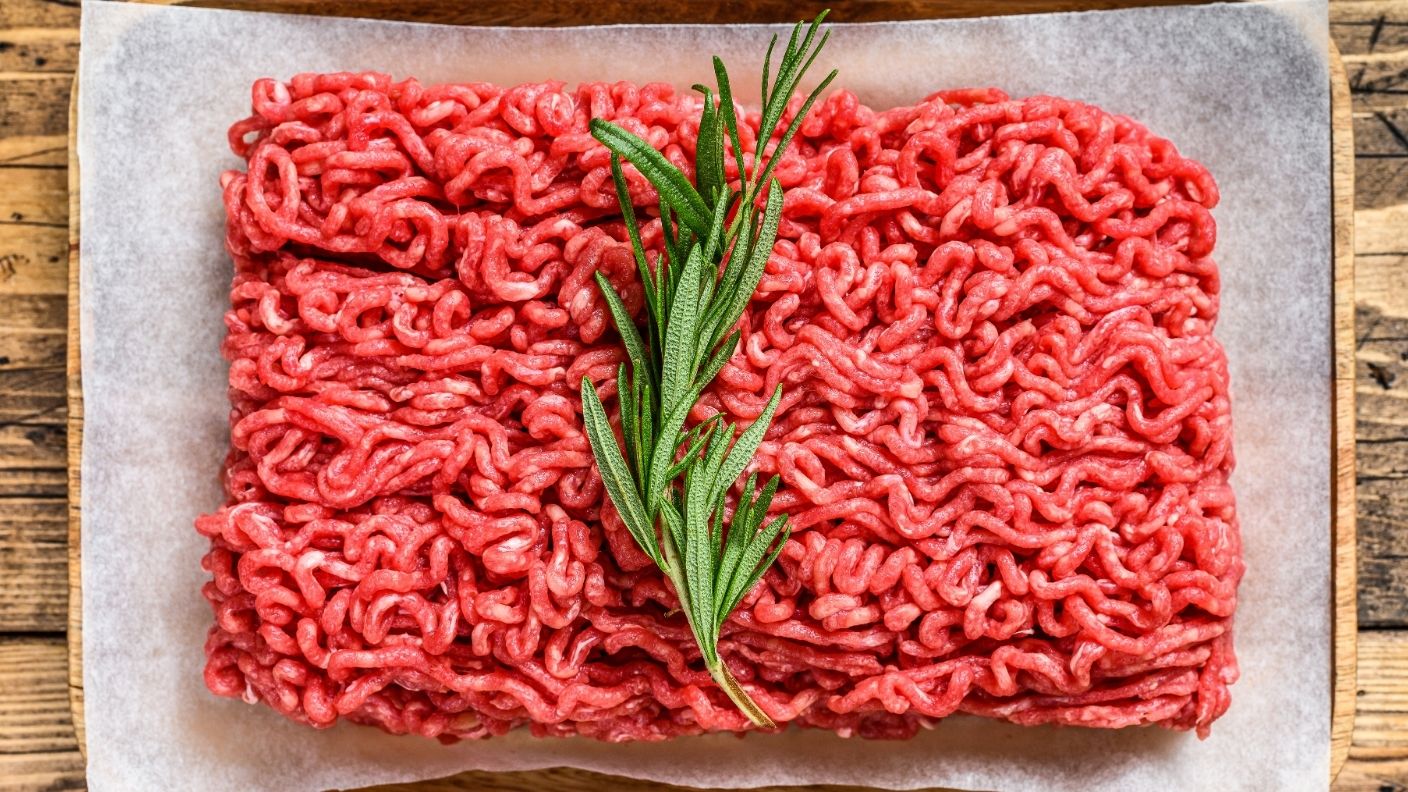

The meat case looks simple until you’re standing in front of it. Packages labeled 73/27, 80/20, 85/15, and 90/10 sit side by side, along with chuck, round, sirloin, pork, and blends.
Picking the same one every time works fine for a while. But each dish asks something different of the meat, and the right match makes a noticeable difference.
What the Numbers on the Label Mean
The ratio on a package tells you the lean-to-fat balance by weight. An 80/20 pack is 80 percent lean meat and 20 percent fat, while 90/10 has half as much fat.
The cut matters too, since chuck is usually around 80/20, round near 85/15, and sirloin close to 90/10.
Fat carries flavor and keeps meat moist, but too much of it leaves a greasy pan. Leaner blends shrink less when cooked, which narrows the price gap between them and fattier packs.
Burgers
For burgers, 80/20 ground chuck is the standard choice. As the patty cooks, the fat melts and bastes the meat from the inside, producing a juicy burger with a deeply browned crust.
Leaner options like 90/10 tend to turn dry and crumbly on the grill.
The patty also holds together better with a bit of fat to bind it. If a burger recipe feels disappointing, the fat percentage is often the first thing worth checking.
Meatballs
Meatballs spend a long time simmering in sauce or baking in the oven, which makes moisture a priority. Ground beef at 80/20 or 85/15 keeps them tender and rich instead of dry.
Many traditional recipes go further and blend beef with pork, and sometimes veal.
Pork has more fat and a milder flavor than beef, which adds tenderness and softens the taste. Mixing the two gives meatballs the best of both.
Tacos
Tacos are the exception, since the meat gets seasoned, browned, and often drained. For tacos, chili, and similar dishes, leaner 90/10 ground round or sirloin is a better fit.
The other ingredients and sauce supply plenty of flavor and moisture.
Using leaner meat also means there’s less grease to pour off. Draining a fattier grind sends some of the flavor down the sink along with the fat.
Meatloaf
Meatloaf bakes slowly in a pan, so the fat needs to keep it moist without leaving the loaf floating in grease. A ratio of 80/20 to 85/15 usually strikes that balance.
Blending beef with pork is a classic move here too, for richness and a softer texture.
Binders like breadcrumbs soaked in milk also help the loaf stay tender. Whatever the blend, mix gently so the texture doesn’t turn dense.
When to Choose Pork
Ground pork is worth keeping in mind when you want a milder flavor or extra moisture. It runs higher in fat than beef, which helps meatballs, dumplings, and loaves stay juicy.
Beef, meanwhile, is stronger in iron, zinc, and vitamin B12.
Neither is better across the board, and mixing the two is common. Swapping one for the other in a recipe works well as long as you account for the difference in fat.
The Temperature Rule That Doesn’t Change
Whichever blend you choose, ground beef should be cooked to an internal temperature of 160°F. Grinding spreads surface bacteria throughout the meat, so unlike a steak, there’s no safe rare center.
An instant-read thermometer takes the guesswork out of it.
The fat ratio affects flavor and texture, not safety. Every ratio gets the same rule.
RELATED ARTICLE: Ground Pork vs. Ground Beef: Difference & Which Is Better?
