


6 Best Collagen-Boosting Foods

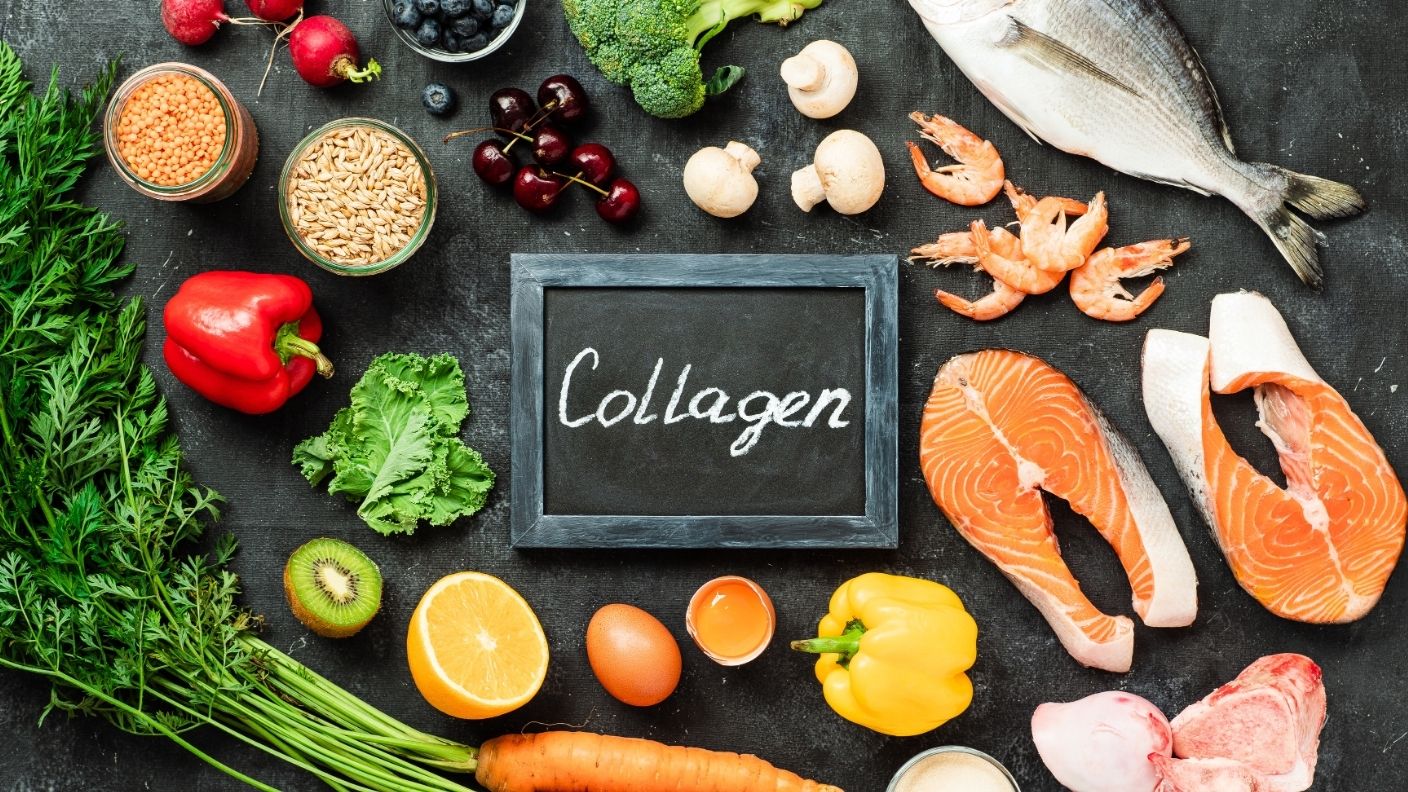

Collagen has become one of the most talked about words in skincare, showing up in powders, drinks and capsules promising firmer skin and stronger joints. Less discussed is the fact that food has been quietly doing this job long before any supplement aisle existed.
“Diet plays a surprisingly large role in the appearance and youthfulness of the skin,” certified holistic nutritionist Krista Goncalves told Healthline. That connection, she explains, comes down almost entirely to collagen.
Collagen production naturally slows down with age, which is part of why so many people go looking for a boost. The good news is that a handful of everyday foods genuinely support that process without needing a single supplement.
Citrus Fruits
Oranges, lemons, grapefruits and limes are some of the richest natural sources of vitamin C, a nutrient essential for binding collagen fibers together. Without enough vitamin C in the diet, the body simply cannot produce collagen efficiently, no matter how much protein gets eaten.
Bone Broth
Bone broth delivers collagen directly in a form the body can use almost immediately, according to Cleveland Clinic. Simmering beef, chicken or fish bones for hours draws that collagen straight into the liquid, ready to sip or cook with.
Eggs
Egg whites are rich in proline, one of the key amino acids the body needs to build collagen, according to a review from Yahoo Health. The yolks contribute zinc, making the whole egg a genuinely efficient source of collagen building blocks.
Berries
Strawberries, blueberries and raspberries are packed with the same collagen supporting vitamin C found in citrus, per a breakdown from AOL. Their antioxidants also help protect existing collagen from the kind of damage that speeds up visible aging.
Fish
Fish, especially with the skin left on, is considered one of the most efficiently absorbed food sources of collagen available. Sardines and anchovies are particularly useful choices since their skin, bones and connective tissue typically get eaten along with the flesh.
Beans
Black beans, chickpeas and other legumes provide a plant based source of lysine, proline and glycine, the same three amino acids essential for collagen synthesis. That makes beans one of the few genuinely useful collagen boosting options for anyone avoiding animal protein.
None of these foods will turn back the clock overnight, and collagen production naturally slows with age no matter what ends up on the plate. Still, eating this way gives the body real raw material to keep doing a job it has been handling on its own for years.
RELATED ARTICLE: TikTok Thinks This Pantry Staple Is the New Collagen. Is There Actually Something to It?
