


The Benefits of Beetroot Juice for Natural Energy and Stamina

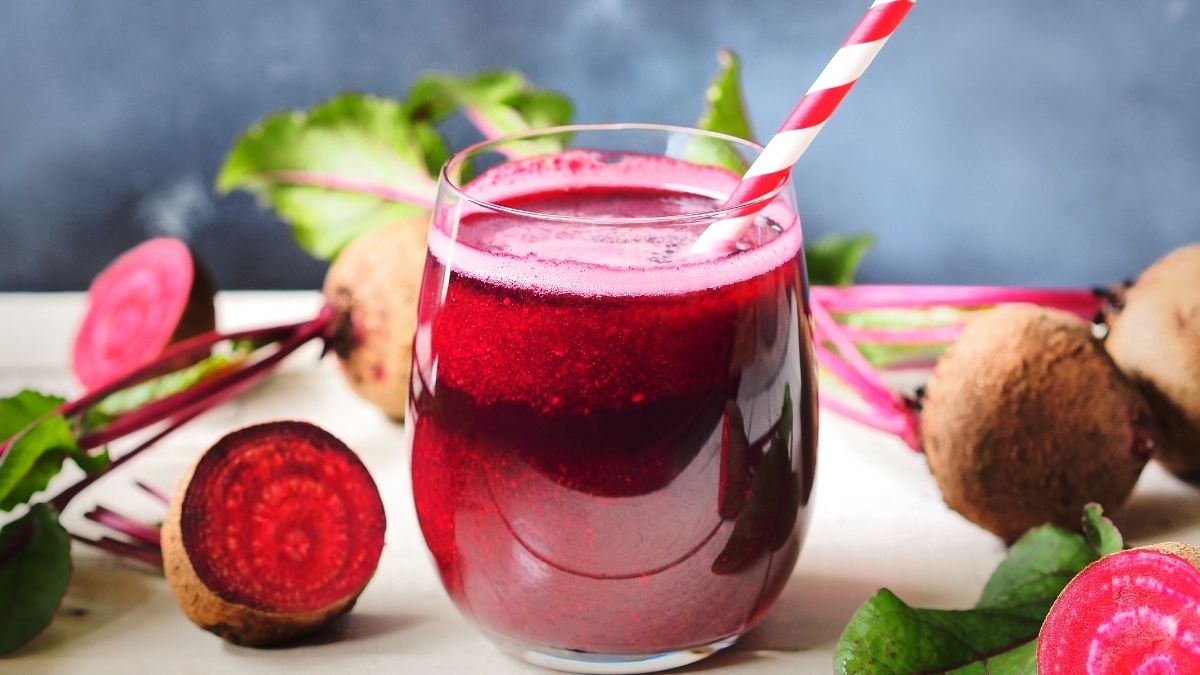

There is a small, deeply purple vegetable sitting quietly in the produce aisle that elite athletes have been secretly reaching for since 2009. And the reason it works is stranger, and far more impressive, than most people realize.
If you have been looking for a natural way to feel more energized without the crash that follows, the answer might already be waiting in your grocery store.
The Science Behind the Boost
Beetroot juice is packed with dietary nitrates, which the body converts into a compound called nitric oxide. Nitric oxide relaxes and widens blood vessels, increasing the flow of oxygen and nutrients to muscles and organs throughout the body.
This is not the same as a stimulant pushing your nervous system into overdrive. It works by improving how efficiently your body uses the energy it already has, which is a very different and far more sustainable kind of boost.
What the Research Actually Shows
A University of Exeter study found that drinking beetroot juice could help people exercise up to 16 percent longer before reaching exhaustion.
Participants also used an average of 3 percent less oxygen to maintain the same pace, a result the lead researcher said could not be achieved through any other known means, including training.
A separate study found that drinking 70ml of beetroot juice daily for one week improved exercise tolerance in adults with heart failure by 24 percent. For a single food ingredient, those are remarkable numbers.
The Brain Gets a Boost Too
The benefits are not only physical. Nitrates increase blood flow to the brain, which many people report as sharper focus and mental clarity, without the jitteriness that caffeine often brings along.
The brain uses roughly 20 percent of the body’s oxygen at rest, so anything that improves circulation has a direct and immediate impact on how clearly you think and how long you can focus.
When and How Much to Drink
Timing matters here. The sweet spot is drinking it around two to three hours before exercise or a demanding day, giving the nitrates enough time to fully convert in the bloodstream.
Research suggests a dose of 300 to 500mg of inorganic nitrate per session, which is roughly one standard 500ml bottle of commercial beetroot juice. Going higher does not improve results and often causes stomach discomfort.
Who Benefits the Most
The biggest gains tend to show up in recreational athletes and active adults rather than elite professionals, whose bodies already produce high levels of nitric oxide naturally. For everyday people looking to push further in the gym, move through a long day with more ease, or simply avoid the afternoon slump, the science is genuinely encouraging.
Beetroot juice is also low in calories and virtually fat-free, making it easy to fold into a morning smoothie or a pre-workout routine without disrupting anything else.
Beetroot juice is not a miracle drink, but it is one of the rare natural supplements where the research is solid, the ingredient is real food, and the benefits are something most people can actually feel.
Sometimes the most powerful things on the table are also the ones we walk right past.
RELATED ARTICLE: What You Eat in Your 30s Could Decide How You Age
