


The Anti-Inflammatory Grocery List Nutritionists Actually Follow

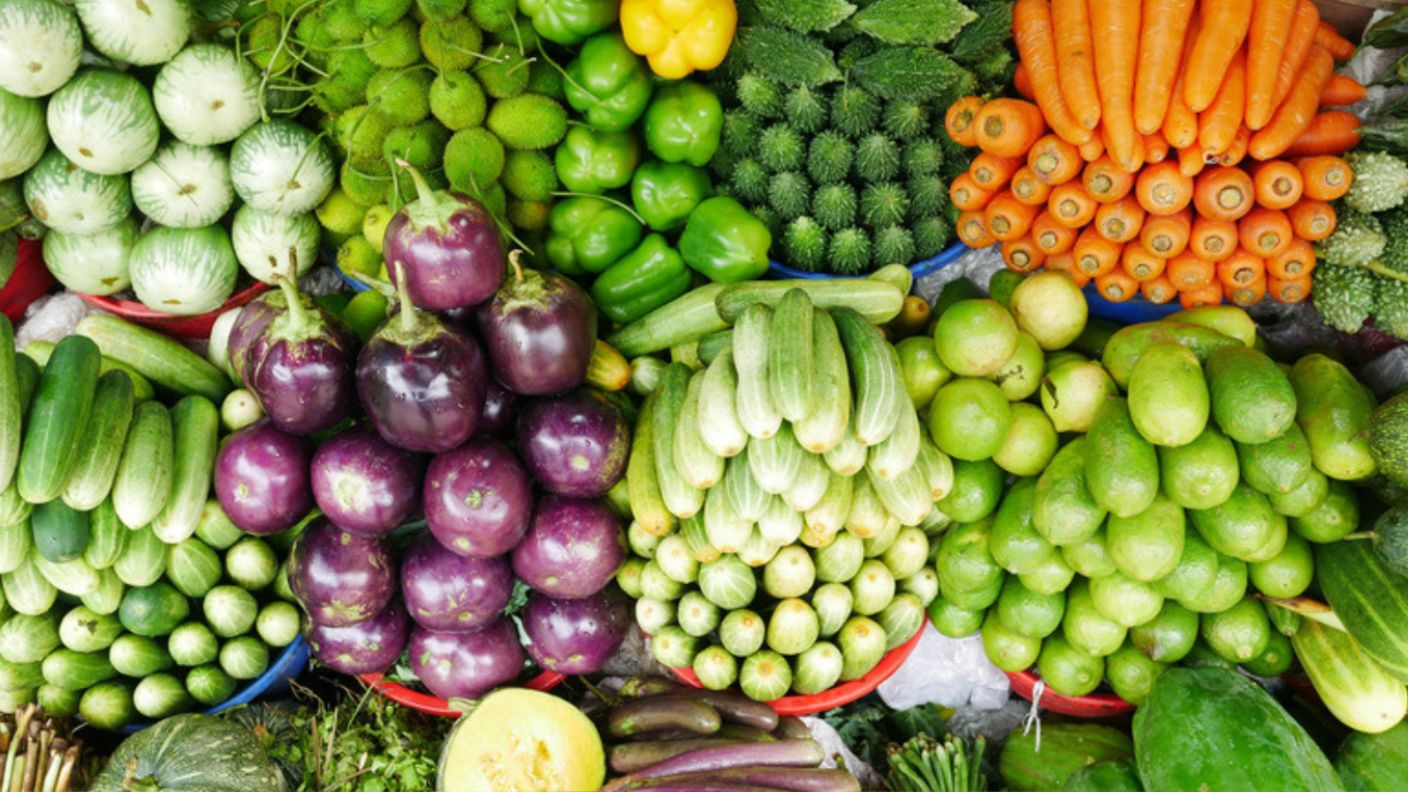

Walk down any supermarket aisle and half the packaging screams about fighting inflammation. Cut through the marketing noise, though, and dietitians tend to reach for the same handful of unglamorous basics every single week.
None of it requires a specialty store or a strange supplement.
It Starts With Color
Leafy greens and brightly colored vegetables should form the base of almost every plate, according to clinical dietitian Stephanie Schiff. She tells The Well that eating this way supports the heart, brain and gut without ever feeling like deprivation.
Kale, spinach, peppers and tomatoes all show up on nearly every credible list for a reason. They are packed with antioxidants that help calm oxidative stress before it turns into something more chronic.
Healthy Fats Matter More Than People Think
Extra virgin olive oil, avocado and tahini are staples for a reason beyond flavor. These fats actually help stabilize blood sugar and blunt the inflammatory effects that come from processed oils.
Unsalted nuts and seeds fall into the same category. A small handful of walnuts or a spoonful of chia seeds goes a long way.
Fish Still Holds Its Spot
Fatty fish like salmon, sardines and mackerel remain some of the most well studied anti-inflammatory foods out there. Experts at Johns Hopkins Medicine point to their omega-3 content as one of the more powerful natural tools for lowering inflammation.
Vegetarians are not left out either. Walnuts, flax and canola oil offer a plant based version of the same benefit.
Beans And Whole Grains Round It Out
Dried beans, lentils and whole grains like oats and quinoa show up again and again on nutritionist shopping lists. They bring fiber to the table, and fiber plays a direct role in keeping inflammation markers in check.
Spices like turmeric, ginger and garlic get tossed in too, mostly because they add flavor without needing extra salt or sugar. According to Mayo Clinic Health System, even small swaps like these can chip away at chronic inflammation over time.
What Nutritionists Try To Skip
The other half of the list is just as important as what goes in the cart. Processed meats, refined carbs and sugary drinks tend to be the first things dietitians suggest scaling back.
Nobody is asking for a total overhaul, just steadier choices most days of the week. Sometimes the most effective grocery list really is the boring one, filled with produce, good fats and a well stocked spice rack.
RELATED ARTICLE: The #1 Anti-Inflammatory Food Sitting in Most Kitchens
