


The Anti-Aging Habit More People Are Curious About Right Now

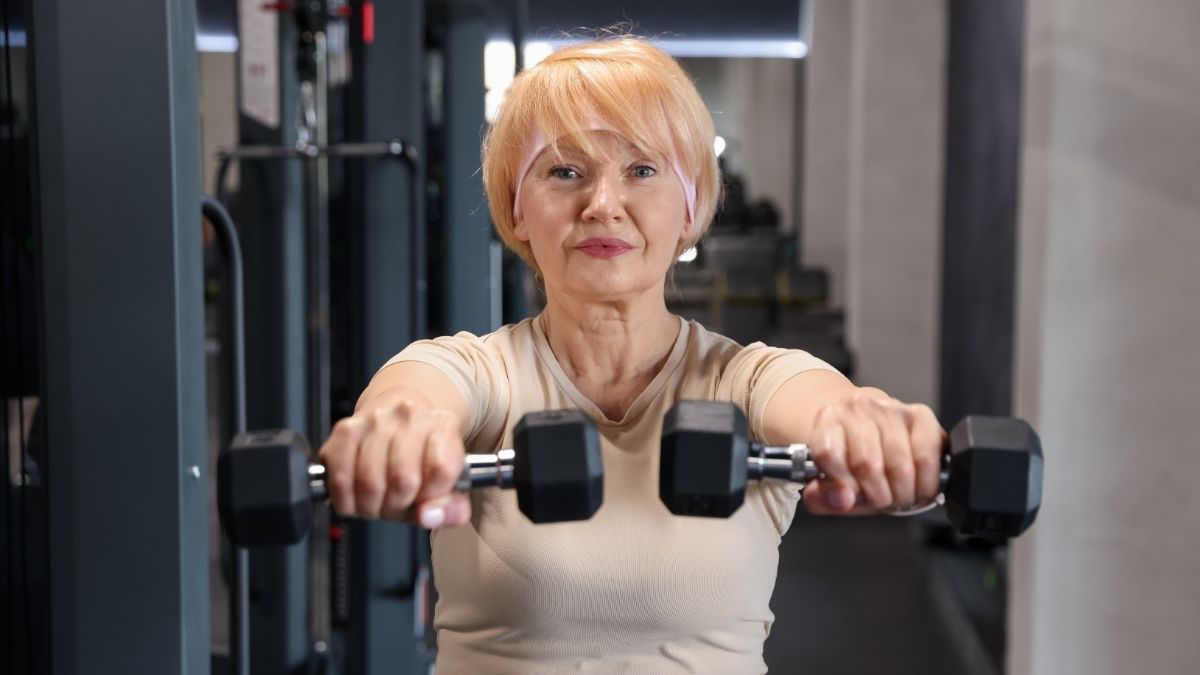

Something quiet is happening in gyms, living rooms, and wellness communities everywhere. It is not a supplement, a serum, or a celebrity-backed detox. It is something far more accessible, and the science behind it is turning heads in a big way.
More and more people are picking up weights, and researchers are starting to suggest it might be one of the most powerful anti-aging moves a person can make.
What the Science Is Actually Saying
A study published in the journal Biology analyzed data from nearly 5,000 adults and found a striking connection between strength training and telomere length, a key biomarker of cellular aging.
Adults who did 90 minutes or more of strength training per week had telomeres that were significantly longer than those who did not, a difference that translated to roughly four fewer years of biological aging. Researchers even suggested that doubling that weekly effort could be associated with nearly eight fewer years of cellular aging.
The Muscle Loss Reality
Here is something most people do not hear enough. After age 40, the body begins losing lean muscle mass through a process called sarcopenia, a condition that quietly affects balance, metabolism, bone density, and the ability to live independently.
Adults can lose between 3 and 8 percent of their muscle mass per decade after their early thirties, and that decline accelerates significantly after sixty, making earlier action one of the most valuable investments anyone can make.
Why Women Have the Most to Gain
A large study published in JAMA Network Open followed more than 5,000 women over eight years and found that those with the greatest muscle strength had a 33 percent lower risk of death compared to those with the least.
Muscle loss accelerates after menopause, making strength building earlier in life one of the most protective habits a woman can develop, with benefits that extend decades into the future.
It Goes Far Beyond the Mirror
The longevity benefits of strength training run deeper than most people realize. Patients with more lean muscle tend to have better insulin sensitivity and glucose metabolism, reducing their risk for metabolic syndrome and diabetes in meaningful ways.
People who did strength training two to three times a week were found to have about a 20 percent reduced risk of premature death, a number that holds up even after accounting for aerobic activity, according to a study of nearly 400,000 adults.
How Little It Actually Takes
This is the part that tends to surprise people. The CDC recommends strength training at least twice a week targeting all major muscle groups, and research suggests even that modest amount can produce meaningful protective effects.
Thirty minutes three times a week is all it takes to hit the 90-minute threshold associated with nearly four years of reduced biological aging, and that includes bodyweight movements, resistance bands, and kettlebells, not just heavy barbells.
The habit that more people are quietly adding to their routines does not require expensive memberships or hours of effort. It just requires showing up a few times a week, loading the muscles with a little resistance, and letting the biology do the rest. Your future self, it turns out, is counting on the choices you make right now.
RELATED ARTICLE: The “Healthy” Habit Some Experts Say People May Be Overdoing
