


The 8 Most Expensive Foods in the World That Rich People Actually Pay For

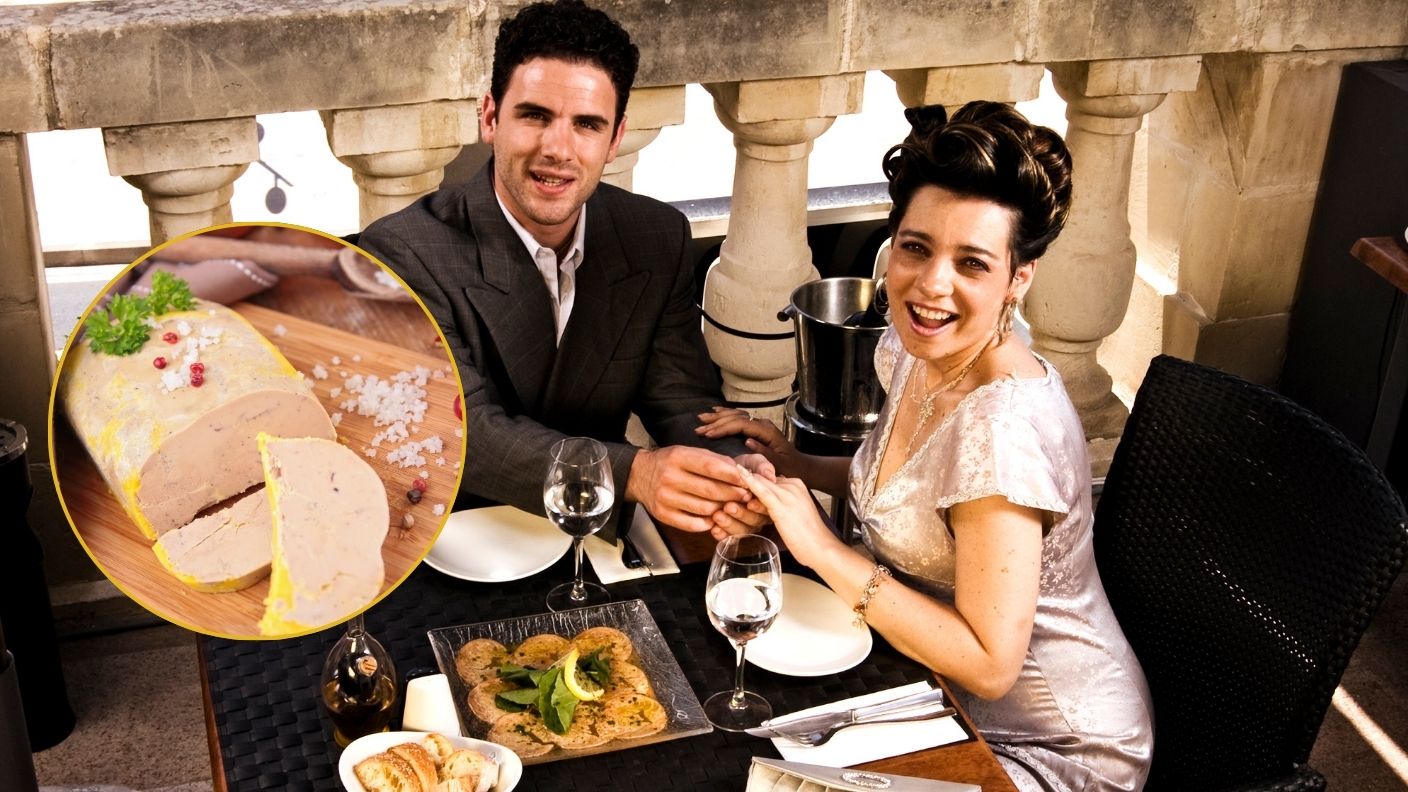

Most grocery budgets top out well before hitting anything close to what shows up on this list. Somewhere at the far end of the food world, price tags stop making practical sense and start reflecting scarcity, prestige, and an almost absurd level of craftsmanship instead.
These aren’t hypothetical luxury items either. People genuinely pay these prices, sometimes for a single serving.
Saffron
Saffron holds its title as the most expensive spice in the world because of how labor-intensive it is to produce. Each flower yields only three thin threads, all hand-picked, meaning it takes tens of thousands of flowers to produce a single pound.
That painstaking harvest translates directly into the price, often rivaling precious metals by weight. A tiny pinch is usually all a recipe calls for, which is the only reason most home cooks can afford to use it at all.
Beluga Caviar
Beluga caviar comes from a critically endangered sturgeon species that can take decades to mature before producing eggs, a timeline that drives scarcity and price simultaneously. Wild beluga caviar is now heavily restricted, pushing the legal, farmed version into an even more exclusive category.
A single ounce can cost more than most people spend on groceries in a month. Its famously large, buttery eggs are considered the benchmark against which all other caviar gets measured.
White Truffles
White truffles can’t be cultivated the way most food is, growing wild and unpredictably underground near the roots of specific trees. Finding them still relies on specially trained dogs, since the truffles themselves give no visible sign of their location above ground.
That unpredictability, combined with a short seasonal window, keeps prices extraordinarily high year after year. A few shavings over a dish are usually enough, since the aroma is intense even in small amounts.
A5 Wagyu Beef
The highest grade of Japanese Wagyu beef, A5, comes from cattle raised under exceptionally strict, closely monitored conditions that directly affect the marbling in the meat. That marbling is what gives A5 Wagyu its famously buttery texture, melting at a lower temperature than standard beef.
Strict grading standards mean only a small percentage of cattle ever qualify for the top tier. A single steak can cost as much as an entire meal for several people elsewhere.
Kopi Luwak Coffee
Kopi Luwak is produced from coffee cherries that have passed through the digestive system of a civet, a process believed to alter the beans’ flavor through natural fermentation. The labor involved in collecting, cleaning, and processing the beans by hand adds considerably to the final cost.
Ethical concerns around how some civets are farmed have also pushed genuinely wild-sourced versions even higher in price. A single cup can cost more than an entire bag of specialty coffee elsewhere.
Bird’s Nest Soup
Bird’s nest soup is made from the solidified saliva nests of swiftlets, harvested from caves, often at considerable physical risk to the people collecting them. The nests themselves have long been prized in certain culinary traditions for their believed health benefits and unique gelatinous texture.
Scarcity, combined with the danger involved in sourcing them, keeps prices remarkably high for what is, at its core, a fairly simple soup base. A single bowl can rival the price of a full meal at a high-end restaurant.
Densuke Black Watermelon
Densuke watermelons are grown almost exclusively on a single Japanese island, in extremely limited quantities each year, which alone accounts for much of their price. Their distinctive black rind and famously sweet flesh have turned them into a genuine status symbol rather than an everyday fruit.
Auctions for the first watermelons of the season have reportedly fetched prices in the thousands of dollars for a single fruit. Most of that price reflects novelty and scarcity as much as anything about the taste itself.
Foie Gras
Foie gras, the fattened liver of a duck or goose, requires a specific, labor-intensive feeding process that takes weeks to complete properly. That process, combined with legal restrictions in several regions, has made high-quality foie gras increasingly difficult and expensive to produce.
Its rich, buttery texture has made it a fixture of fine dining for centuries, despite the controversy surrounding how it’s produced. A small portion is typically all a dish calls for, given both the intensity of the flavor and the price attached to it.
RELATED ARTICLE: The Shocking Diets of the World’s Wealthiest
