


The 7 Foods Chefs Say You’re Probably Preparing Wrong

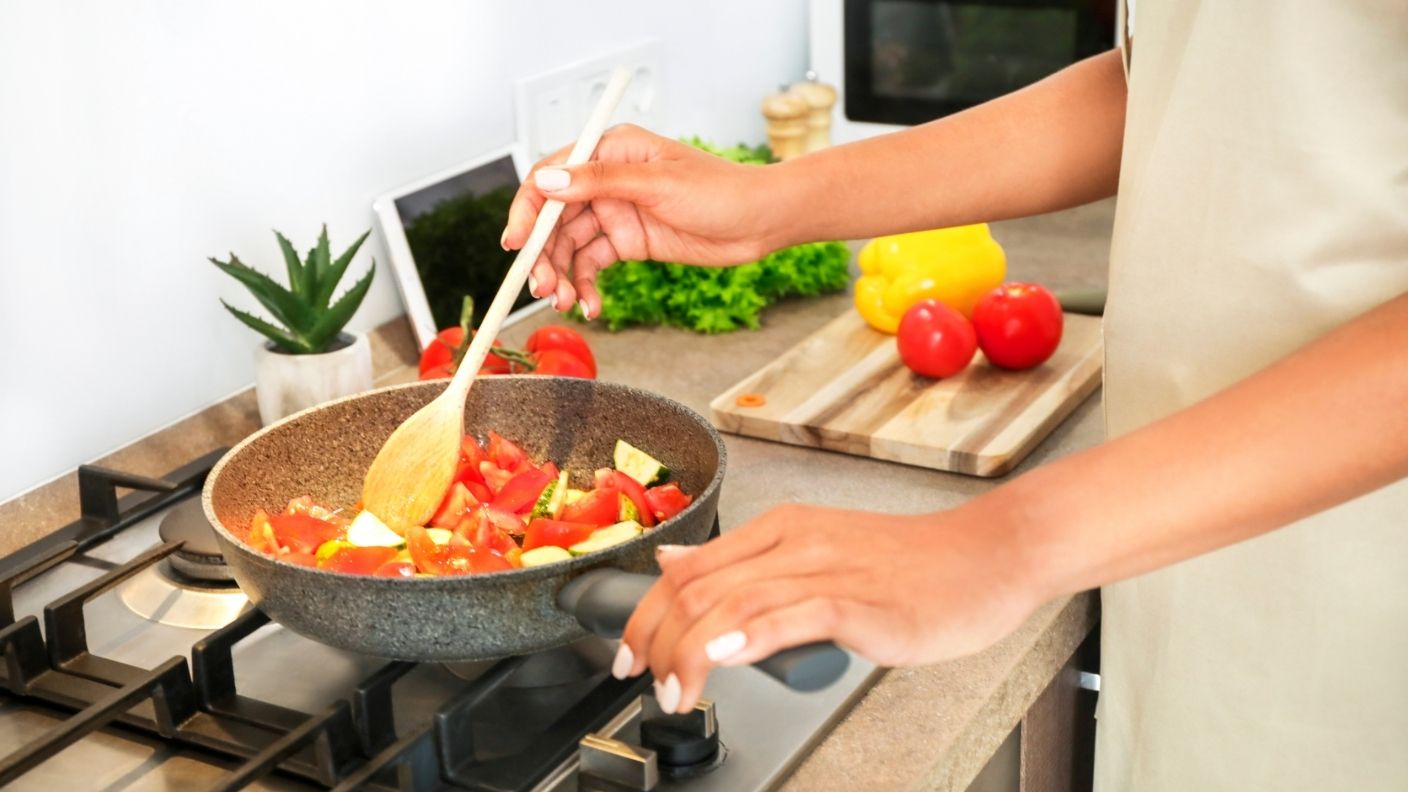

Most home cooks learn by watching family members, following recipe cards, and figuring things out through trial and error. That’s how plenty of great dishes get made, and also how a few stubborn habits get passed down for generations.
Professional kitchens tend to handle some everyday ingredients very differently. The fixes are usually small, but they can completely change how familiar foods taste, look, and feel on the plate.
Pasta
The most common pasta mistake happens before the noodles even hit the pot: not salting the water enough. Pasta absorbs water as it cooks, so well-salted water is the only real chance to season the noodles from the inside.
Chefs also skip adding oil to the water, since it coats the pasta and keeps sauce from clinging. Instead, they save a cup of the starchy cooking water and finish the pasta in the pan with the sauce, adding splashes of that water until everything turns glossy and cohesive.
Garlic
Garlic burns much faster than most people expect. Tossing it into hot oil at the very start of a recipe, alongside onions or meat, often leaves it browned and bitter by the time the other ingredients are ready.
A better approach is adding garlic later, once the heat is lowered or other ingredients have softened. How you cut it matters too, since finely minced or crushed garlic tastes sharper and stronger than thinly sliced or whole cloves.
Scrambled Eggs
Many people cook scrambled eggs over high heat and keep them in the pan until they look completely set. The result is often dry, rubbery curds that turn tough by the time they reach the plate.
Chefs cook them gently over low to medium heat, stirring slowly to form soft, creamy curds. They pull the pan off the heat while the eggs still look slightly wet, since residual heat finishes the job in seconds.
Mushrooms
Mushrooms are packed with water, and crowding them into a pan causes them to steam rather than brown. The result is a pile of soft, gray mushrooms swimming in liquid.
Spreading them out in a single layer in a hot pan gives them space to release moisture and develop a deep golden color. Many cooks also wait to add salt until the mushrooms have browned, since salting early pulls out water and slows the searing process.
Roasted Vegetables
Roasted vegetables often come out soft and pale instead of crisp and caramelized. The usual culprits are an oven that isn’t hot enough and a crowded sheet pan.
Chefs typically roast vegetables at around 425°F and spread them out so pieces don’t touch. Cutting everything into similar sizes helps it all cook evenly, and a light, even coating of oil encourages browning without making things greasy.
Bacon
Dropping bacon into a screaming-hot pan often leads to slices that burn at the edges while staying chewy in the middle. It can also cause the strips to curl and splatter grease everywhere.
Starting bacon in a cold pan and letting it heat up gradually gives the fat time to render slowly, producing evenly crisp strips. For larger batches, baking bacon on a sheet pan in the oven is another chef favorite that delivers consistent results with less mess.
Caramelized Onions
Many recipes claim onions can be caramelized in 10 or 15 minutes, which leaves home cooks rushing the process with high heat. That usually produces onions that are browned on the outside but still harsh and crunchy.
True caramelized onions take time, often 40 minutes or more over medium-low heat, with occasional stirring. A small splash of water or broth can help lift the browned bits from the pan and keep the onions from scorching as they turn deep, sweet, and jammy.
RELATED ARTICLE: The Kitchen Mistakes That Could Be Ruining Your Favorite Foods
