


The 7 Best Foods for Healthy Aging That Are Cheap Enough to Eat Every Week

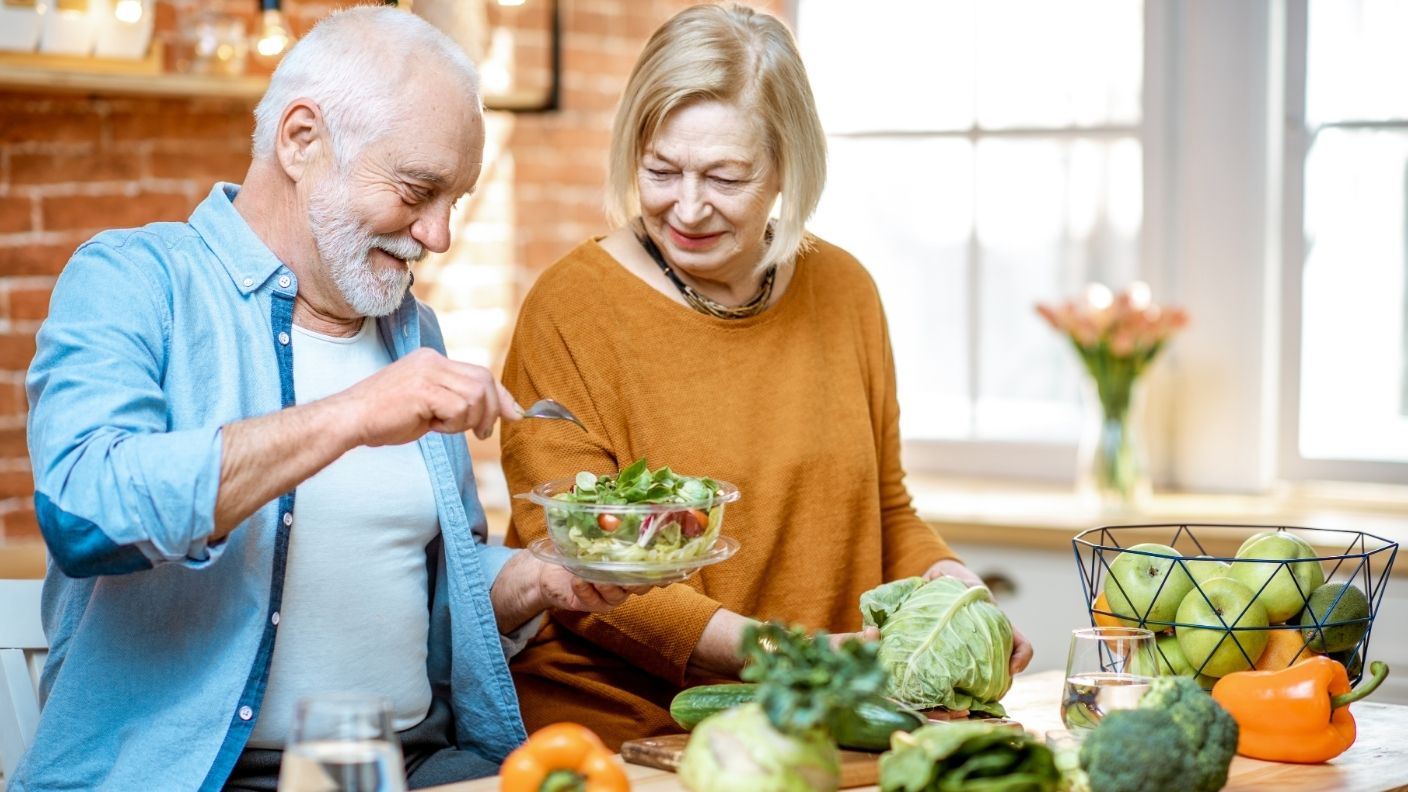

Healthy aging advice has a way of sounding like it requires a grocery budget most people don’t actually have, full of specialty powders and imported superfoods. The foods that actually move the needle tend to be a lot less glamorous than that.
A handful of genuinely affordable staples show up again and again in longevity research, mostly because they’re accessible enough that people can actually keep eating them for decades.
Eggs
Eggs deliver complete protein along with choline, a nutrient tied to brain health that a lot of people don’t get enough of. They’re also one of the most inexpensive protein sources available, often costing a fraction of meat per gram of protein.
Because they’re so versatile, eggs work into breakfast, lunch, or dinner without much extra effort. A dozen can realistically stretch across most of a week’s meals.
Canned Sardines
Canned sardines carry omega-3 fatty acids, calcium from their edible bones, and vitamin D, all nutrients that become increasingly important with age. They’re also one of the cheapest ways to get those benefits compared to fresh fish.
A tin on toast or tossed into a salad turns them into a quick, satisfying meal. Their long shelf life also means there’s no pressure to use them up before they spoil.
Oats
A container of oats costs very little and stretches across weeks of breakfasts, delivering fiber that supports heart health and steady blood sugar. That combination is directly linked to lower rates of several age-related conditions.
Oats also take well to both sweet and savory additions, which keeps the habit from feeling repetitive. A bag from the bulk bin often costs less than a single specialty granola bar.
Beans
Dried or canned beans are among the least expensive sources of both protein and fiber available at any grocery store. That combination supports heart health, digestion, and steady energy, three things that matter more with every passing decade.
They also freeze and store well, making it easy to buy in bulk without worrying about waste. A pot of beans can realistically provide several meals for the cost of a single restaurant dish.
Frozen Berries
Fresh berries carry a reputation as an expensive treat, but their frozen counterparts deliver nearly identical antioxidant content for a much lower price. Those antioxidants have been linked to slower cognitive decline in multiple long-term studies.
Frozen berries also don’t spoil the way fresh ones do, cutting down on the food waste that often comes with produce shopping. A bag tossed into oatmeal or yogurt makes the habit effortless.
Cabbage
Cabbage is one of the cheapest vegetables available year-round, and it carries a genuinely impressive nutrient profile, including vitamin K and compounds linked to reduced inflammation. A single head can last for weeks in the fridge without losing quality.
It holds up well in soups, slaws, and stir-fries, making it easy to work into a rotation without getting bored. Very little of it goes to waste once it’s prepared.
Peanut Butter
Peanut butter delivers protein, fiber, and heart-healthy fats for a fraction of the price of most nut-based snacks. That combination makes it genuinely useful for maintaining muscle mass, which naturally declines with age.
A spoonful on toast or apple slices turns it into an easy, filling snack. Choosing a version without added sugar keeps the benefit intact without the extra calories.
RELATED ARTICLE: What Happens to Your Body When You Eat Blueberries Every Morning
