


The 12-Minute Dinner Trick Centenarians Use to Turn Off Aging Genes

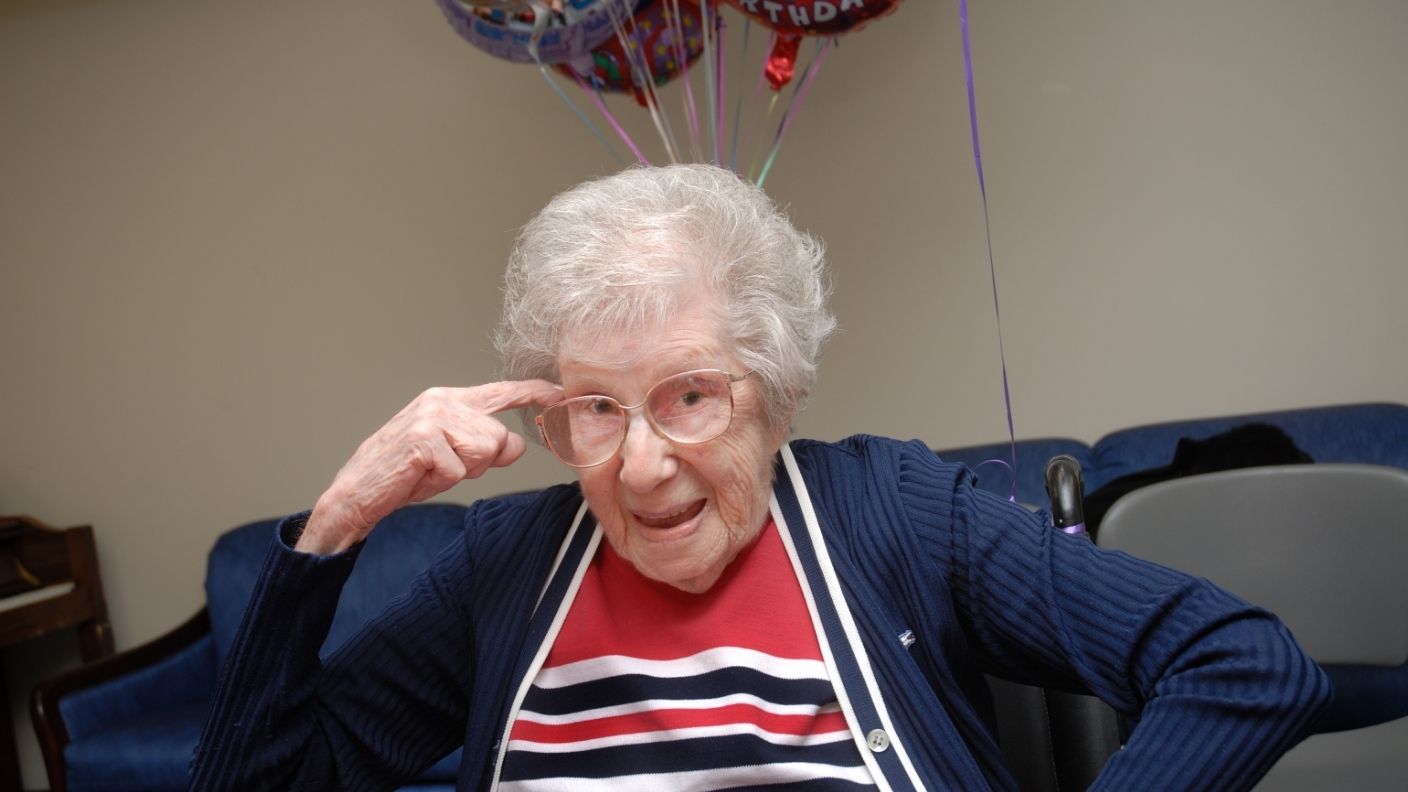

Centenarians rarely talk about biohacking. Ask what they do differently and most just shrug, then mention something small that happens right after the last bite of dinner.
Researchers have spent years trying to isolate what actually moves the needle on aging, and one habit keeps surfacing in the data. It takes about as long as a phone call, and it starts the moment dinner ends.
The Trick Itself
The habit is a light walk, taken in the minutes right after the plates are cleared. Research on post-meal movement puts the effective window at roughly ten to fifteen minutes, landing right around that twelve-minute mark.
It doesn’t need to be brisk or broken into a sweat. A relaxed stroll around the block, or even pacing the kitchen, produces most of the benefit of a longer, more structured workout.
Why Timing Beats Duration
Walking at some point during the day helps general fitness, but walking during the window when blood sugar is actively rising does something more specific. A ten-minute walk study found that movement taken immediately after eating blunted the glucose spike more effectively than the same walk taken later.
That timing matters because active muscles pull glucose straight out of the bloodstream. Wait even thirty minutes and much of that advantage is already gone.
What Happens Inside the Cells
Blunting a blood sugar spike isn’t only about dodging an energy crash an hour later. Repeated spikes create stress inside cells, and that stress works against a set of proteins researchers call sirtuins, which help regulate how cells age.
Light activity after eating activates AMPK, an enzyme that switches sirtuin activity back on. It’s the same pathway linked to calorie restriction, one of the few interventions ever shown to consistently slow aging in lab studies.
Where the Habit Actually Comes From
Long before any of this was measured in a lab, Blue Zone communities were already doing it. Researchers studying these regions noted a family walk after dinner as a near-universal ritual among the oldest residents.
Nobody in those communities called it a metabolic intervention. It was simply what happened once the table was cleared, long before science caught up to explain why it worked.
RELATED ARTICLE: 7 “Blue Zone” Foods to Start Eating Now
