


The #1 Fruit Experts Recommend for Better Skin

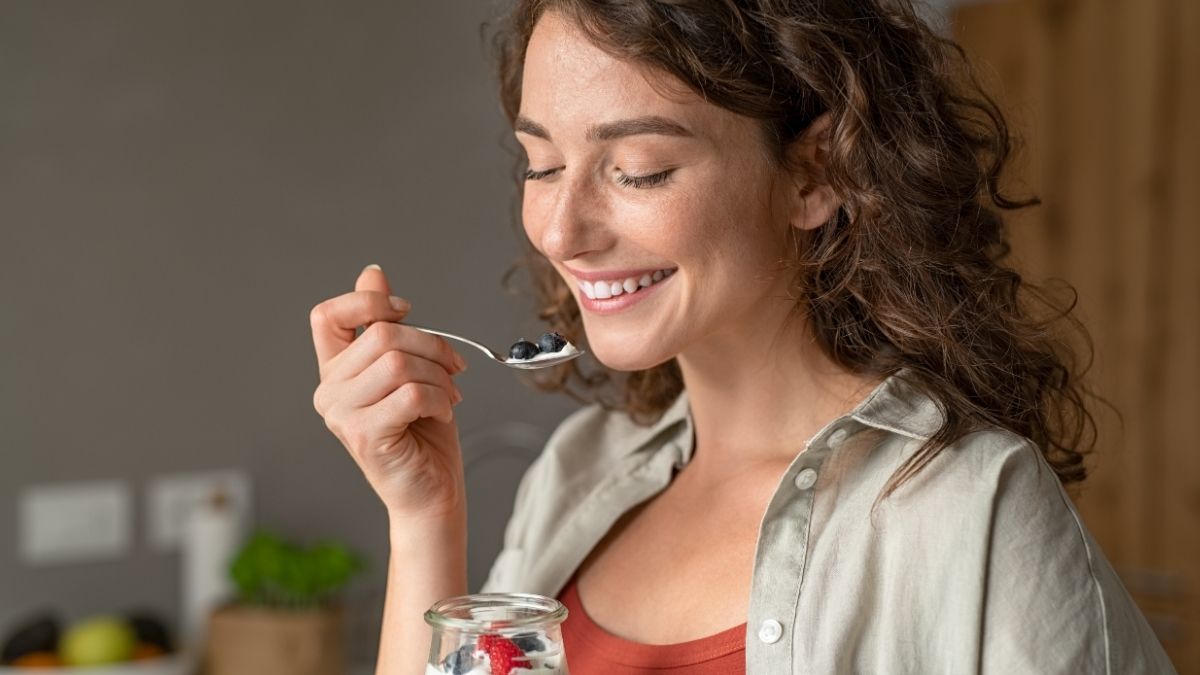

It is tiny, it costs almost nothing, and it has been sitting in the produce aisle your entire life. But dermatologists and researchers keep coming back to the same fruit when asked what to eat for genuinely better skin.
The answer is not an exotic import or a wellness trend with a price tag. It is the blueberry. And the science behind why is more compelling than most people realize.
More Antioxidants Per Gram Than Almost Any Other Fruit
The reason dermatologists keep recommending blueberries comes down to one word: anthocyanins. These are the pigments that give blueberries their deep blue-purple color, and they pack one of the highest concentrations of antioxidants per gram of any fruit on the planet.
Dr. Emmanuel Loucas, Director of SINY Dermatology and assistant professor at Mount Sinai Hospital in New York City, describes blueberries as “thick in antioxidants, which help protect the skin from daily environmental and internal insults.”
He adds that they are well-known for anti-inflammatory properties, and inflammation, he notes, is the common denominator behind photoaging, eczema, acne, and rosacea.
What They Actually Do Inside Your Skin
The mechanism is specific and fascinating. After the anthocyanins from blueberries enter the bloodstream, they help stabilize oxygen inside skin cells, which reduces damage to surrounding tissue. This can result in fewer fine lines, more even skin tone, and a less leathery texture over time.
Another dermatologist cited by SheFinds recommends buying wild, organic blueberries specifically, because the thick skin on the outside of a wild blueberry contains a more concentrated antioxidant punch than conventional varieties.
The 2025 Study That Changed the Conversation
The most exciting development came from a 2025 clinical trial, which tested pterostilbene, a natural compound found in blueberries that is structurally related to resveratrol. Using a double-blind, split-face method on 31 participants over 28 days, researchers found dramatic improvements on the side treated with pterostilbene.
The results included a 32.6 percent improvement in skin elasticity, a 13.9 percent reduction in forehead wrinkle area, a nearly 20 percent rise in collagen intensity, and a stunning 77 percent increase in elastic fiber regeneration. All in under a month.
The Collagen Connection
Blueberries are also rich in vitamins A and C, and vitamin C is the key nutrient responsible for fighting collagen breakdown in the skin. As the body produces less collagen naturally with age, consistently eating foods that protect and stimulate its production becomes one of the most practical anti-aging moves available.
Researchers at Dana Point Dermatology point out that the anthocyanin peonidin specifically increases an enzyme that improves blood flow to the skin, delivering more nutrients to deeper layers and enabling skin cells to repair collagen damage more efficiently.
A handful of blueberries a day is not a dramatic intervention. But done consistently, over months and years, it is exactly the kind of quiet, compounding habit that shows up on your face.
RELATED ARTICLE: Why You Should Stop Peeling Your Fruits and Veggies (Whenever Possible)
