


Stop Using Olive Oil Like This — It’s Ruining Your Food

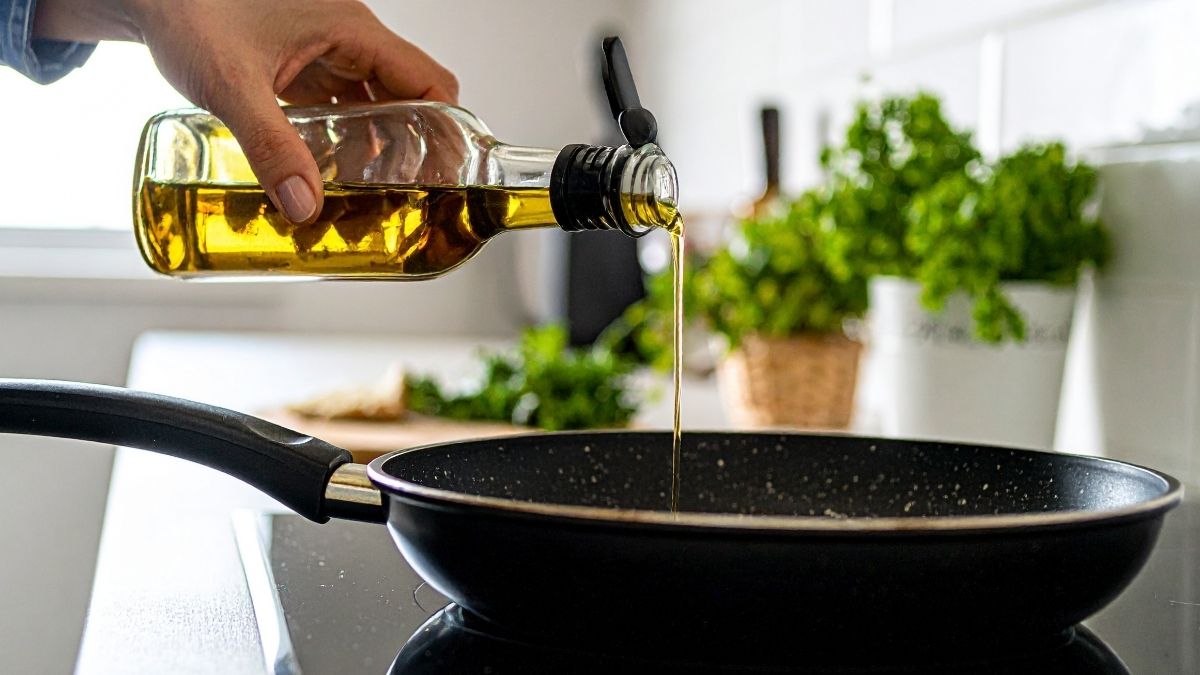

Everyone has a bottle. Most people are using it wrong. And the worst part is that a few small, completely fixable habits are quietly making everything from salads to sautés taste worse than they should.
Here are the mistakes chefs and food experts want you to stop making right now.
Storing It Right Next to the Stove
It feels logical to keep olive oil within arm’s reach of the burners. Heat accelerates oxidation and drives the oil rancid faster, leaving it with a bitter, sour taste that bleeds straight into whatever you are cooking.
The fix is simple: keep it in a cool, dark cupboard and only bring it out when you actually need it.
Adding It to a Cold Pan
This one is sneaky because it seems completely harmless. Pouring oil into a cold pan and slowly heating both together means the oil spends far more time on the heat than necessary, degrading its flavor and integrity before your food even hits the surface.
Always heat the pan first, then add the oil.
Cranking the Heat Too High
Pushing olive oil past its smoke point is not just a flavor problem. When olive oil overheats, it releases a compound called acrolein, responsible for that sharp, acrid smell and a bitter taste that can overpower an entire dish.
Extra virgin olive oil handles low to medium heat beautifully. Anything higher and it is fighting a battle it was not built for.
Using the Wrong Type for the Job
Not all olive oil is the same, and reaching for whichever bottle is closest is one of the costliest mistakes in any kitchen. Extra virgin olive oil carries a bold, complex flavor profile that shines in dressings, dips, and gentle cooking, while refined olive oil handles higher heat without sacrificing the dish.
Matching the oil to the method is what separates decent cooking from genuinely great cooking.
Skipping the Finishing Drizzle
This is the habit that quietly robs every dish of its full potential. A final drizzle of fresh extra virgin olive oil right before serving delivers the bold aroma, peppery finish, and antioxidant-rich polyphenols that make olive oil worth using in the first place.
One tablespoon over pasta, roasted vegetables, or grilled fish just before it hits the table changes absolutely everything.
Olive oil is one of the most generous, versatile ingredients in any kitchen. But like anything worth having, it rewards a little bit of intention. Swap out these habits, and the difference in flavor will be immediate.
RELATED ARTICLE: Why Extra Virgin Olive Oil is Considered the “Liquid Gold” of Nutrition
