


Stop Cooking Every Night — Here’s What to Do Instead!

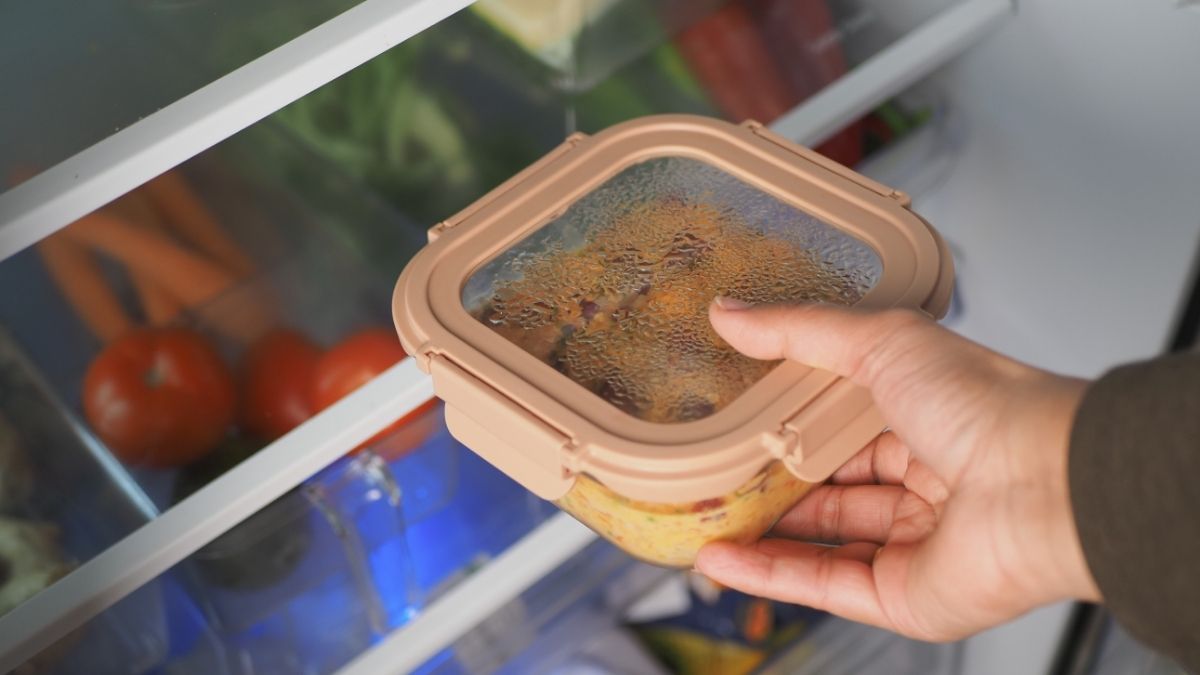

The kitchen can start to feel like a second job after decades of preparing family meals. You might find yourself staring at the fridge at 6:00 PM, wishing a healthy dinner would just appear.
Reclaiming your evenings doesn’t mean you have to settle for oily takeout or boring frozen entrees. There is a much smarter way to nourish your body without losing your precious free time to the stove every single day. Modern meal planning is about working with your schedule rather than fighting against it.
Let’s explore how you can transform your kitchen routine and get your nights back.
Component Prepping
Instead of cooking full recipes, focus on preparing individual building blocks. Roast a large tray of seasonal vegetables and grill several chicken breasts on a Sunday afternoon. Having these ready allows you to assemble different salads, grain bowls, or wraps in under five minutes.
Women in this age group need to prioritize high-protein meals to maintain muscle mass. Research indicates that increased protein intake is crucial for metabolic health during midlife. It helps you stay full longer and supports your strength.
The “Cook Once, Eat Twice” Rule
Doubling your recipes is the easiest way to cut your time in the kitchen in half. If you are making a healthy chili or a vegetable lasagna, always prepare two portions and freeze one for later. This builds a “boutique grocery store” in your own freezer for those extra busy nights.
Home-cooked meals generally contain much less sodium than processed alternatives. Lowering salt intake is a key step to manage blood pressure as we age gracefully. You control the flavor and the health benefits at the same time.
Batch Cooking for Hormonal Balance
Preparing large batches of grains like quinoa or farro provides a steady source of complex carbohydrates. These grains help stabilize blood sugar levels and keep your energy consistent throughout the afternoon. Toss them with some leafy greens and a simple vinaigrette for an effortless lunch.
Fiber is essential for digestive health and hormone regulation during the transition into menopause. Studies show that a high-fiber diet can help manage weight and improve overall heart health. Making these items in bulk ensures you never skip these vital nutrients.
