


Protein Powder vs Whole Food Protein for Muscle Support

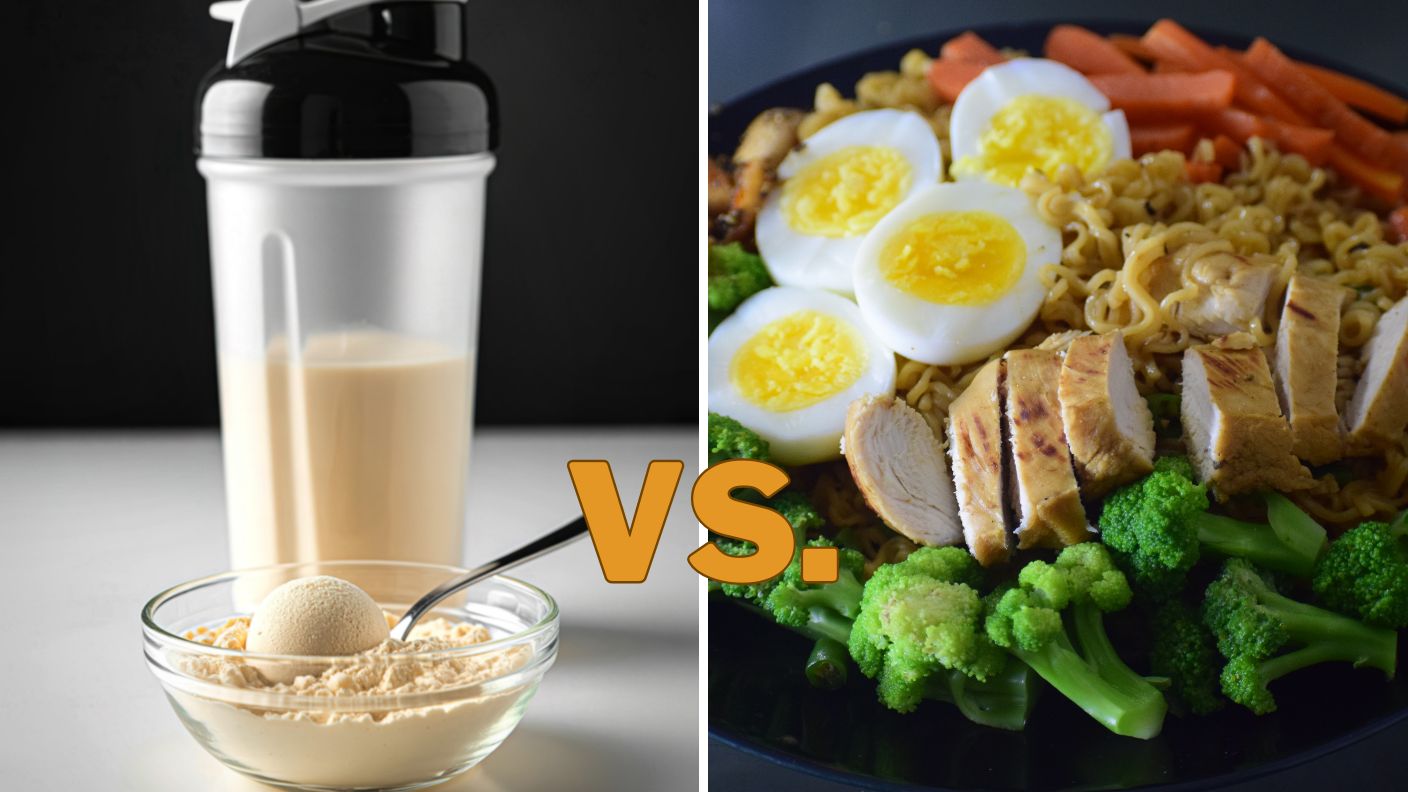

Walk into any gym locker room or scroll through any fitness account and you will find the same shaker bottle, the same tub of powder, and the same unspoken assumption that this is simply what you take if you want to build muscle.
But the conversation around protein and muscle support has become considerably more nuanced than that assumption suggests. The research is pointing somewhere more interesting than either side of the debate tends to acknowledge.
What Muscle Actually Needs
Before comparing the sources, it helps to know what the muscle-building process is actually asking for.
Muscle protein synthesis, the mechanism by which muscle tissue is built and repaired after training, is primarily driven by essential amino acids, and particularly by leucine, which acts as the key trigger for the whole process.
The leucine content of a protein source, alongside the full spectrum of essential amino acids, is the most critical factor in determining how anabolic a given protein meal will be. Both protein powder and whole food can deliver this, but how well, and how quickly, is where they diverge.
Where Protein Powder Wins
Whey protein is fast-absorbing, leucine-rich, and extensively studied. It is the most researched protein in the scientific literature, with over four decades of evidence showing it stimulates muscle protein synthesis to a greater extent than most competing protein sources, including soy and casein.
After a training session, when muscle tissue is primed and amino acid uptake is accelerated, whey’s rapid digestion means leucine reaches the bloodstream quickly and the anabolic signal fires promptly. The convenience case is also real.
For individuals trying to hit one gram of protein per pound of bodyweight through food alone, which is the commonly cited target for active people building muscle, the volume of food required becomes genuinely difficult to manage across a full day. A shake solves a logistical problem without adding significant calories or sitting heavy before or after training.
Where Whole Food Protein Wins
Here is where the research gets more interesting. Whole foods do not just deliver amino acids. They arrive with vitamins, minerals, healthy fats, and what scientists call the food matrix, the combination of nutrients, bioactive compounds, and physical characteristics that interact with protein digestion in ways that isolated powder cannot replicate.
A 2025 scoping review published in Nutrition and Metabolism explored exactly this question, finding that the physical structure of food affects both how quickly protein is digested and how well it supports whole-body protein synthesis.
Minced beef, for example, was digested more rapidly than a steak cut, with a higher overall whole-body protein synthesis response.
The food form matters, not just the amino acid content. Research reviewed by the Gatorade Sports Science Institute noted that whole foods provide non-protein components including lipids, carbohydrates, and micronutrients that may interact directly with amino acids to influence muscle protein synthesis rates in ways that protein isolates simply cannot produce.
Eggs, for instance, deliver choline, lutein, zeaxanthin, B vitamins, phosphorus, and selenium alongside their protein. None of those appear in a whey shake.
The Processing Effect Nobody Talks About
Cooking method changes everything. Raw eggs have lower amino acid absorption than cooked eggs, and minced beef is absorbed faster than steak.
These differences in food structure affect the rate and completeness of protein digestion in ways that matter for muscle support. They are almost entirely absent from conversations about protein powder versus whole food.
The protein in a food is not a fixed quantity with fixed availability. It is a variable that changes depending on how the food was prepared.
What the Comparison Actually Looks Like in Practice
When 30 grams of plant-based protein isolate is compared to 30 grams of animal-based protein isolate, recent research finds no meaningful difference in muscle protein synthesis rates in healthy adults. But when those same amounts come from whole plant-based foods rather than isolates, the response can be lower due to reduced digestibility and a delayed amino acid absorption rate.
The matrix that surrounds the protein in a plant food can work against it in ways that a purified powder does not have to contend with. This is a meaningful distinction for anyone relying heavily on plants for their protein intake.
The Practical Answer
Protein powder and whole food protein are not competitors. They serve different roles in the same day.
Whole foods anchor the diet with vitamins, minerals, fiber, and the full nutritional complexity that a muscle only cares about indirectly but a body needs entirely. Protein powder fills gaps, particularly around training when fast absorption is useful and appetite is low.
The research does not crown a winner. It describes a partnership. Build your daily protein intake around chicken, eggs, fish, legumes, and Greek yogurt, and use a shake when the timing is right or the day ran short. That is what the evidence actually supports, even if it makes for a less exciting argument.
RELATED ARTICLE: The #1 Protein Most Americans Don’t Eat Enough Of
