


Probiotics Are Everywhere, but Does Everyone Actually Need Them?

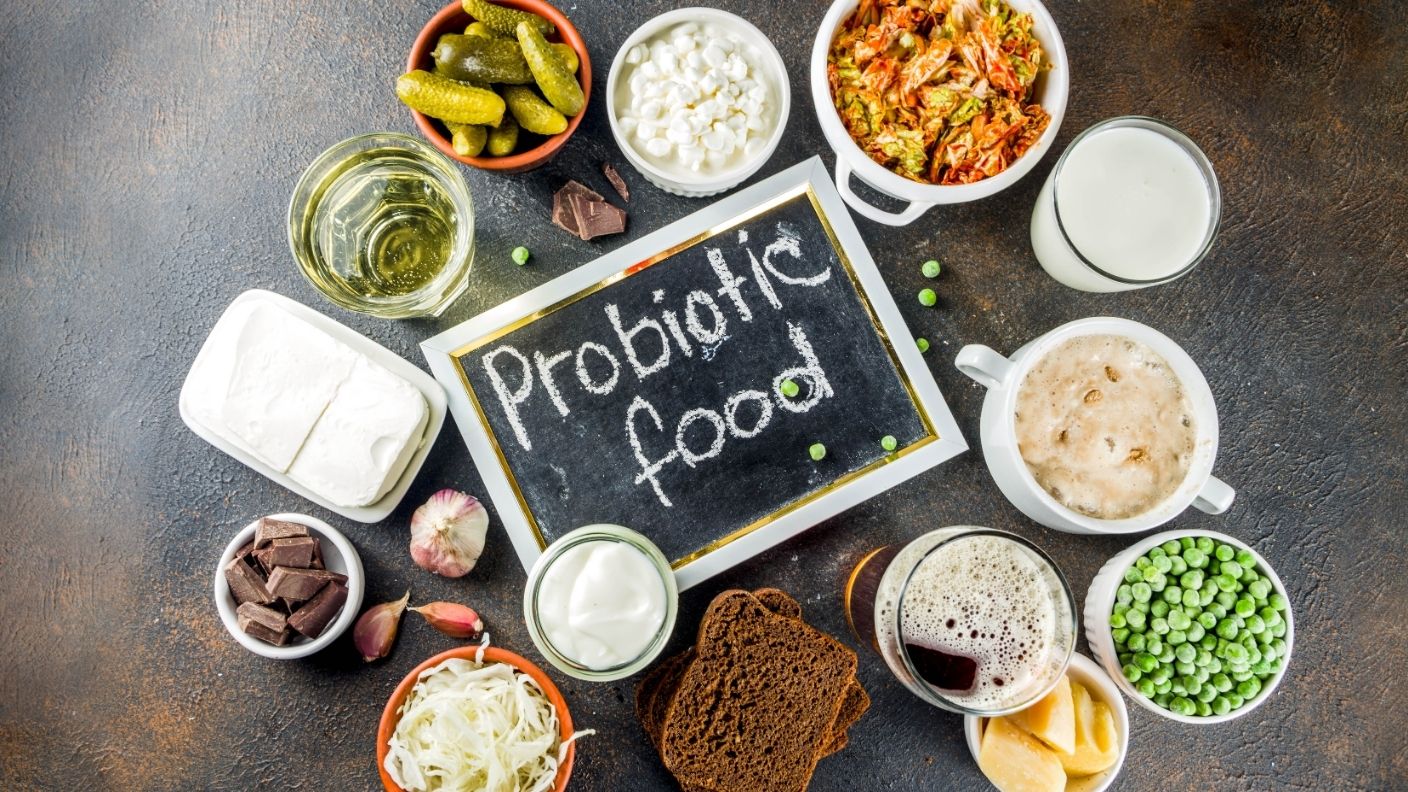

Probiotics have moved far beyond the yogurt aisle. They now show up in capsules, gummies, sodas, granola bars, skincare products, and even chocolate, often paired with promises of better digestion, stronger immunity, and an all-around healthier gut.
With so many products on the shelves, it’s easy to assume everyone should be taking them. The science, however, paints a more selective picture, and for many healthy people, the answer may not be what the marketing suggests.
What Probiotics Actually Are
Probiotics are live microorganisms, usually certain types of bacteria or yeast, that can offer a health benefit when consumed in adequate amounts. They’re found in some fermented foods and in many supplements.
The idea is that these microbes support the community of bacteria already living in your gut. That community, known as the gut microbiome, plays a role in digestion, immunity, and possibly even mood.
Not All Probiotics Are the Same
Probiotics aren’t one single thing. Different strains have different effects, and a benefit shown for one strain doesn’t automatically apply to another.
That makes it tricky to choose a product. A supplement that helped one group of people in a study may not be the same strain or dose sold on store shelves.
Where the Evidence Is Strongest
Some of the most consistent research involves diarrhea linked to antibiotic use. Certain probiotics may lower the risk of this side effect for some people taking antibiotics.
There’s also evidence that specific strains may help in certain medical situations, such as preventing a serious intestinal condition in some premature infants. These uses are typically guided by doctors rather than general wellness advice.
The Evidence Is Weaker for Healthy People
For people who are already healthy, there’s limited evidence that taking probiotic supplements offers clear benefits. Many studies are small, short, or show mixed results.
Major gastroenterology groups have been cautious in their recommendations. For many digestive conditions, they’ve said more research is needed before probiotics can be broadly recommended.
Your Gut May Not Let Them Stay
Research from the Weizmann Institute of Science in Israel found that some people’s guts readily allowed probiotic bacteria to settle in, while others essentially resisted them. In those people, the probiotics largely passed through without taking hold.
The same research team found that, in some cases, taking probiotics after antibiotics actually slowed the return of a person’s normal gut bacteria. That suggests probiotics may not always be the helpful reset many people expect.
Supplements Aren’t Tightly Regulated
In the United States, probiotic supplements don’t go through the same approval process as medications. Product quality, strain accuracy, and the number of live microbes can vary from brand to brand.
Some products may contain fewer active bacteria than claimed, especially if they’ve been stored improperly. Choosing reputable brands with third-party testing can help, but it doesn’t guarantee a benefit.
Fermented Foods Offer Another Route
Fermented foods like yogurt with live cultures, kefir, sauerkraut, kimchi, and miso naturally contain beneficial microbes. They also bring other nutrients and flavors to your diet.
A study from Stanford University found that people who ate more fermented foods over several weeks saw an increase in the diversity of their gut bacteria. They also showed lower levels of several markers linked to inflammation.
Fiber Feeds Your Gut Bacteria
Prebiotics are fibers that feed the beneficial bacteria already living in your gut. Foods like oats, beans, onions, garlic, leeks, bananas, and asparagus are good sources.
Eating a wide variety of plant foods supports a more diverse microbiome. For many people, focusing on fiber may do more for gut health than any single supplement.
Who Should Be Careful
Probiotics are generally considered safe for most healthy people, though some experience mild gas or bloating at first. However, they may pose risks for people who are seriously ill, have weakened immune systems, or are recovering from major surgery.
Anyone with a chronic health condition, or who is pregnant or caring for a premature infant, should talk with a doctor before using probiotic supplements.
The Bottom Line
Probiotics may help in specific situations, especially when guided by a healthcare provider. But for most healthy adults, they aren’t an essential daily habit.
Eating fermented foods, plenty of fiber, and a variety of fruits, vegetables, and whole grains is a well-supported way to care for your gut. If you’re considering a probiotic for a specific issue, a doctor can help you choose a strain with research behind it.
RELATED ARTICLE: Dietitians Reveal the One “Health Food” Aisle You Should Skip Entirely
