


Matcha vs Coffee for Morning Energy — Which One Is Actually Working Harder for You?

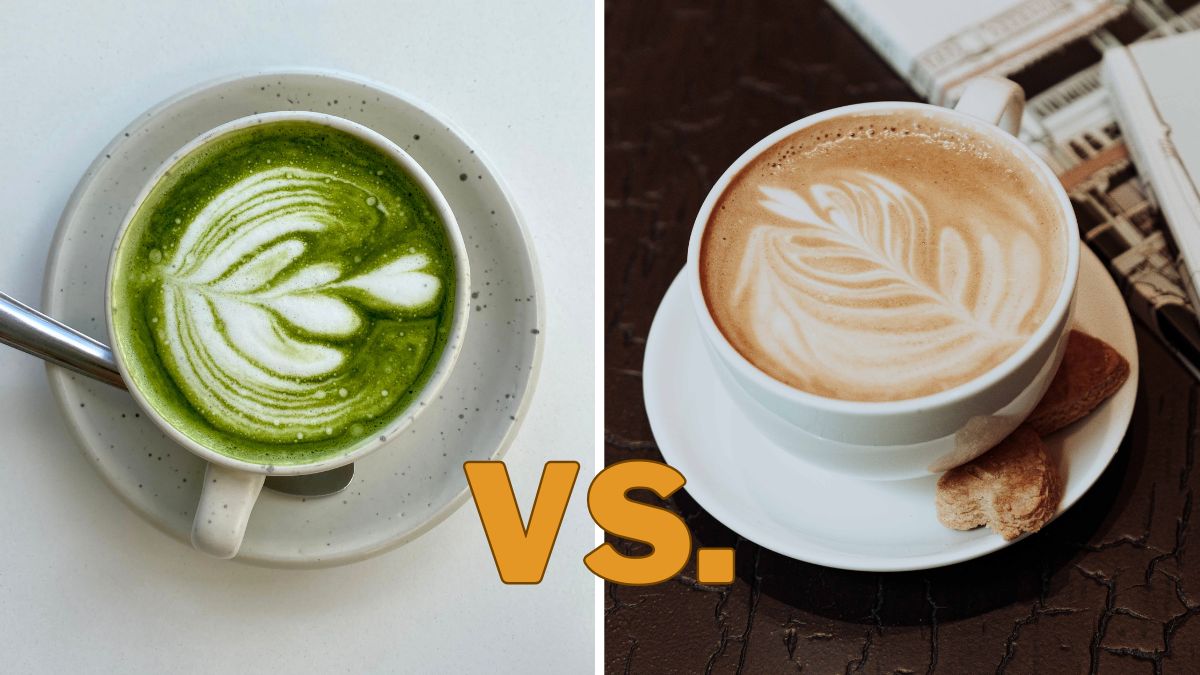

Most people reach for coffee without thinking twice. It is fast, familiar, and it works. But the conversation around what actually happens inside your body after that first cup has shifted dramatically, and the little green powder quietly sitting next to it on café menus is starting to win on some very specific grounds.
This is not a debate about taste or trend. It is about energy quality, what kind of alertness you actually want, and why two people can drink the same amount of caffeine and feel completely different.
Coffee Is Fast — But That Speed Has a Cost
Coffee is exceptional at one thing: getting caffeine into your bloodstream quickly. It peaks within 30 to 60 minutes, triggering a sharp rise in adrenaline and cortisol. For about two hours, you feel alert, focused, sometimes almost uncomfortably wired.
The problem is what happens after. A 2025 review analyzed studies covering around 2,500 subjects and found that coffee caused the strongest cortisol increase among caffeinated beverages, up to 50 percent above baseline.
Cortisol is your body’s primary stress hormone, and spiking it first thing in the morning, when it is already naturally elevated, compounds the effect. The crash that follows is not imagined. It is physiology.
Matcha Does Something Different to Your Brain
Matcha contains caffeine too, roughly 25 to 70 milligrams per serving versus coffee’s 95 to 200 milligrams. But matcha also contains L-theanine, an amino acid that slows caffeine absorption and promotes alpha brain wave activity, the state associated with calm, focused alertness rather than anxious overstimulation.
A 2024 clinical trial found that participants consuming matcha experienced less anxiety and improved cognitive performance compared to those consuming coffee with equivalent caffeine levels. The energy from matcha has been measured to last four to six hours rather than the two to three-hour window typical of coffee, without the crash.
The Antioxidant Gap Is Not Close
Coffee has antioxidants, and they are genuinely beneficial. But matcha operates in a different category.
Per gram, matcha delivers an ORAC antioxidant score of around 1,384 units compared to coffee’s 200 to 550. Its primary antioxidant is EGCG, a catechin that research has linked to anti-inflammatory, metabolic, and even cancer-protective properties.
Because you are consuming the entire ground tea leaf with matcha rather than just an infusion, every sip delivers a concentration of nutrients that brewed coffee simply cannot match.
So Who Wins?
The honest answer depends entirely on what you need your morning to feel like. Coffee wins on speed, immediacy, and the familiar intensity many people build their routines around. If you need to be fully awake in 20 minutes, nothing competes.
Matcha wins on duration, anxiety reduction, and nutritional density. If you find yourself anxious, crashing by early afternoon, or sleeping poorly, the cortisol spike from morning coffee may be a significant contributing factor, and matcha offers a genuinely different physiological experience.
Many people use both strategically, coffee for high-urgency mornings, matcha for sustained focus on days where the afternoon needs to stay sharp.
The caffeine is not that different. How it lands in your body very much is.
RELATED ARTICLE: He Drank Green Tea Every Day for 6 Months — Here’s the Change He Noticed
