


Japan’s “Red Caviar” Is Turning Into a Luxury It Can Barely Afford

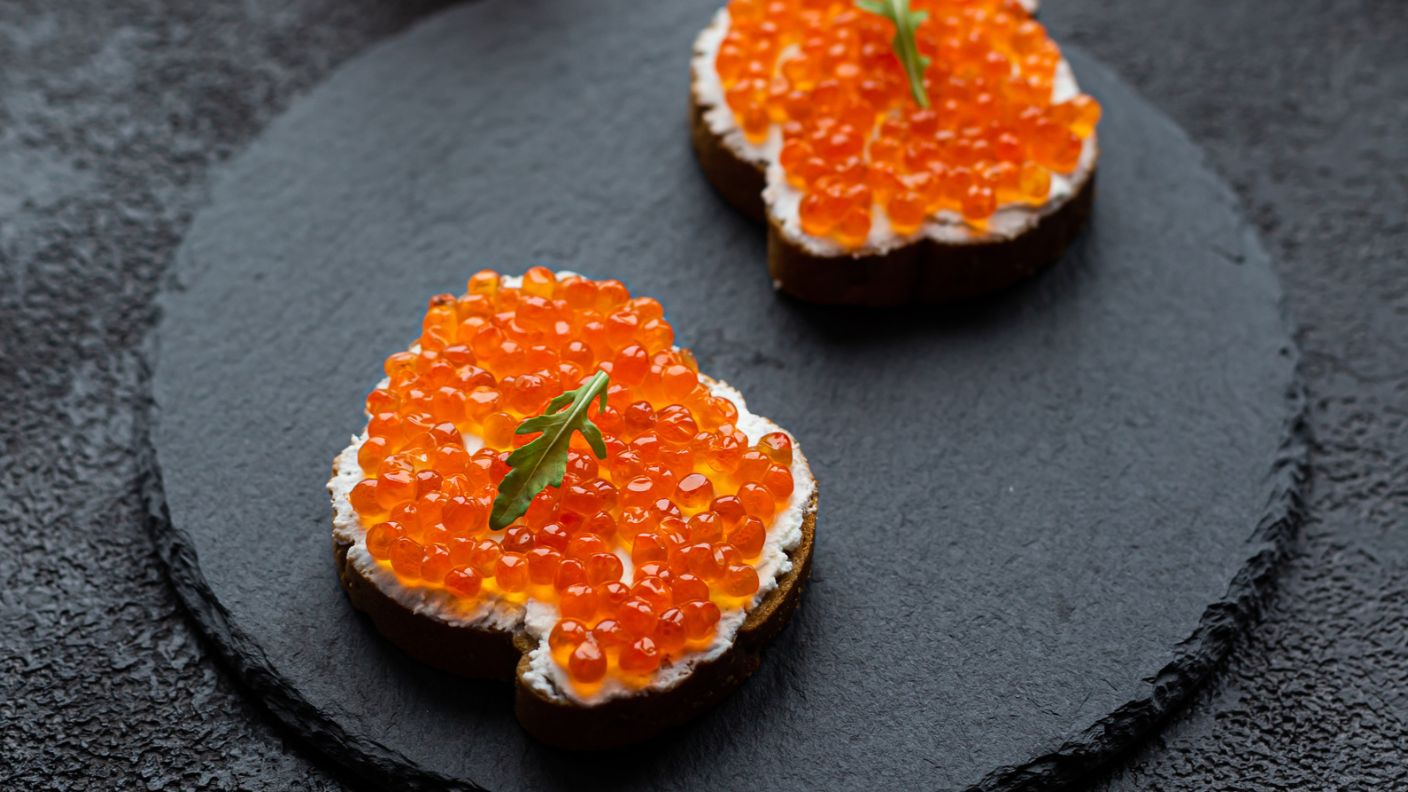
Glistening orange pearls of ikura have been a staple on Japanese sushi counters for decades. This autumn, they’re quietly disappearing.
As the Financial Times reports, salmon roe is slipping off sushi menus across Japan. The cause is a collapse in wild salmon harvests, and warming seas are a big part of it.
Prices Break Records
The new season’s ikura opened at a price the industry had never seen. On Nov. 2, soy-marinated roe from Kushiro-based Marusa Sasaya Shoten reached Tokyo’s Toyosu market and the Sapporo market at 31,000 to 32,000 yen per kilogram.
That’s roughly $200 a kilo. It’s also 24% above last year’s opening price, which was itself a record.
Supply at the wholesale level has dried up even faster than prices have risen. In October, arrivals of raw roe skeins at Sapporo’s central wholesale market fell 70% from last year, while wholesale prices doubled to between 30,000 and 40,000 yen per kilogram.
Counting Every Egg
The Nikkei tried to put a number on how precious each egg has become. It bought 90 grams of fresh roe for about 5,000 yen and counted 606 eggs in a 50-gram sample, which works out to nearly 5 yen per egg.
A single gunkan-maki roll holds at least 60 eggs. At retail prices, that’s 288 yen of roe on one piece of sushi before anyone has paid for the rice, seaweed or labor.
In Hokkaido, the effect is already showing at the conveyor belt. At one popular chain, two pieces of ikura sushi cost about 600 yen, roughly double what wild tuna costs.
Hokkaido’s Vanishing Salmon
The roots of the crisis are in the water around Japan’s northern island. By late October, Hokkaido’s autumn salmon catch had reached just under 6,000 tons, only 3% of its 2003 peak.
This is the second bad year in a row. In 2025, landings had already fallen about 70%, to roughly 15,000 metric tons.
Researchers saw this coming. The Hokkaido Research Organization forecast only 3.65 million returning chum salmon this year, down 47% from 2025. At the industry’s peak in 2003, about 60 million fish came back.
Experts point mainly to rising water temperatures and to water quality damaged by red tides. Salmon spend three to five years feeding in waters as far away as the Gulf of Alaska before they return to Hokkaido to spawn, so they are exposed to warming seas along the whole route.
No Easy Fix From Imports
In past years, Japan could make up for poor domestic catches with roe from overseas. That’s much harder now.
Weak harvests in North America and Russia, plus growing appetite for sushi in Asia and Europe, have made imported roe hard to come by. Larger-egg imported salmon roe now sells for about 18,000 yen per kilogram, and trout roe, a common stand-in, costs two to three times what it did a year ago.
Some wholesalers have stopped keeping stock and now buy only when a customer has placed an order.
Fishermen Weigh Their Future
The price spike is a headache for diners, but it’s an existential threat for the fishing towns that depend on salmon. In Abashiri, one of Japan’s largest salmon ports, the local fisheries cooperative chief Tetsuya Shinya says fishermen are now asking whether they can keep fishing for salmon at all.
Some are already looking for another way. Six fishing cooperatives and two hatchery associations in Hokkaido are testing salmon aquaculture, and the prefectural government has set aside 300 million yen for the trials this year.
For now, those projects are experiments, not a replacement for the wild catch. Until the salmon come back, or farmed roe can be produced at scale, the bowl of ikura many Japanese families eat every autumn is turning into a luxury.
