


Japan’s Oldest Doctor Ate the Same Lunch Every Day Until He Was 105. Here’s What It Was.

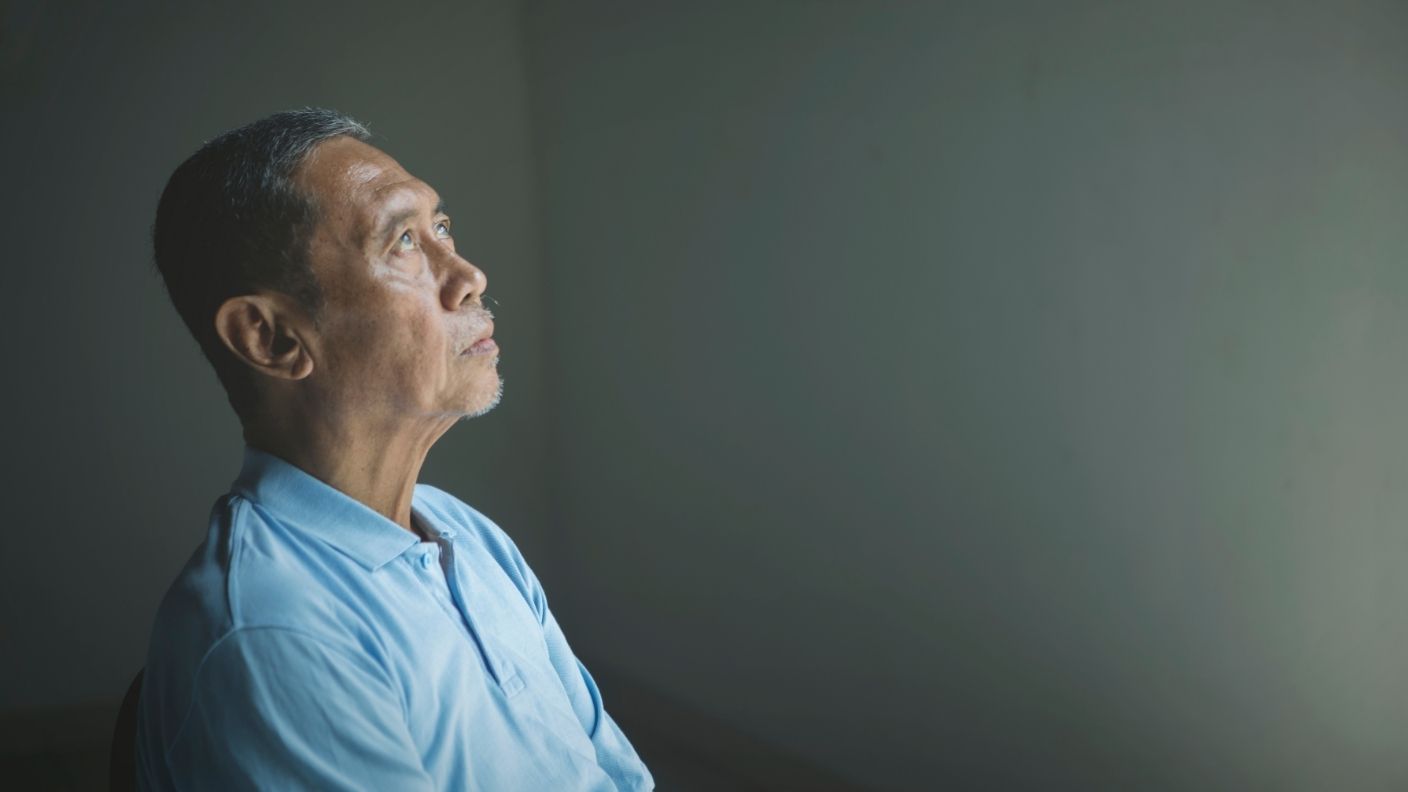

Somewhere between writing hundreds of books on health, treating patients past the age of 100, and delivering 150 lectures a year while standing, Dr. Shigeaki Hinohara somehow found time to eat. Not much time, as it turned out. And that, it seems, was entirely the point.
The Man Who Rewrote Japan’s Life Expectancy
Dr. Shigeaki Hinohara was chairman emeritus of St. Luke’s International University and honorary president of St. Luke’s International Hospital in Tokyo.
He was perhaps best known for his book ‘Living Long, Living Good,’ and for pioneering Japan’s system of annual physical exams that helped transform the country into the global leader in longevity.
His contributions helped push life expectancy in Japan from around 60 for men to 80, and from 68 for women to 87.
He lived to 105. And he was still seeing patients until a few months before he died in 2017.
The Lunch That Raised Eyebrows
Here is where the story gets interesting. Hinohara ate the same thing most days for lunch, and it was not what anyone would expect from a longevity expert. His midday meal consisted of milk and a few cookies, or simply nothing at all when he was too busy to stop.
That was it. No elaborate meal prep. No carefully portioned macros. Milk and cookies, or a skipped meal entirely.
Why He Did It Deliberately
This was not neglect. It was philosophy. Hinohara believed deeply that staying busy and purposeful was one of the most powerful forces in longevity, and that the body did not need to be overburdened with rigid rules around eating.
He often said that children who are deeply absorbed in play forget to eat or sleep entirely, and that adults could borrow that same energy.
He also observed that people who live the longest tend to share one thing in common across all nationalities and cultures. None of them are overweight. Keeping the midday meal minimal was part of how he kept his own weight in check across a century of living.
What He Actually Prioritized
The rest of his daily eating told a different story. Breakfast was intentional and consistent, coffee, a glass of milk, and orange juice with a tablespoon of olive oil stirred into it. He credited olive oil specifically for keeping his arteries healthy and his skin in good condition.
Dinner was where he ate with real care, vegetables, fish, and rice most evenings, with a small portion of lean meat twice a week and occasionally a little dark chocolate.
He also worked up to 18 hours a day, took stairs two at a time, carried his own luggage, and kept an appointment book with space filled five years in advance. The lunch was not an oversight. It was a deliberate trade, less time eating, more time contributing.
The Philosophy Behind the Plate
Hinohara kept an appointment book with space scheduled five years into the future, even past 100. A journalist who considered him a mentor described his driving force as a need to wake up every morning and do something wonderful for other people. That sense of purpose, he believed, was as nourishing as anything on the plate.
For a man who spent his entire life studying how humans could live longer and better, the most radical thing Hinohara did at lunch was to barely have one at all. Sometimes the longevity advice that sounds the strangest turns out to be the most honest.
RELATED ARTICLE: The One Fruit Longevity Experts Eat Almost Every Day
