


I’ve Been Salting Food Wrong This Whole Time. Here’s The “Right” Way

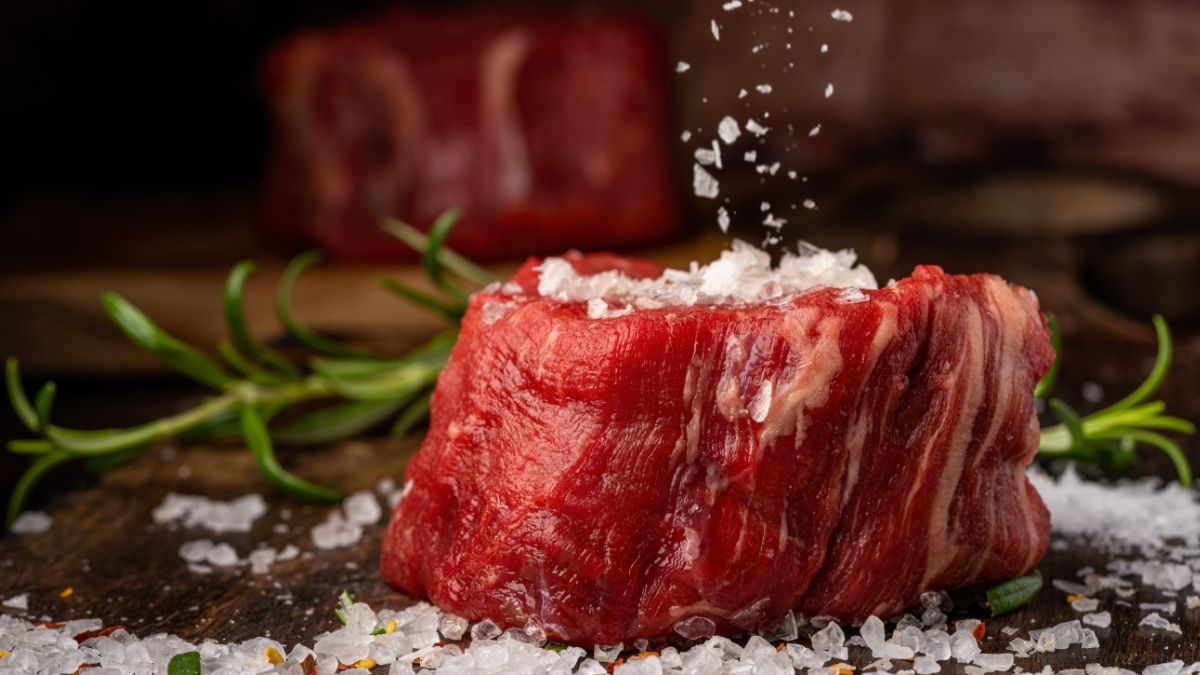

For most of us, salting food means a quick shake over the finished plate and calling it a day. Turns out, that approach is working against you in almost every situation. Salt is not just seasoning. It is a tool, and timing is everything.
Salt Early, Not Just at the End
The biggest mistake home cooks make is waiting until the very last minute. When salt is added early, it has time to migrate into the food and season it all the way through. When added only at the end, it sits on the surface and hits your tongue as one concentrated, sharp burst.
In a controlled experiment, two batches of roasted carrots and beef stew were tested side by side, one salted early and one salted only at the end. The early-salted batch was more flavorful and well-rounded throughout. The late-salted batch tasted sharp and one-dimensional, despite using the exact same amount of salt.
How High You Salt Actually Matters
This one surprises most people. Salting from about 6 to 8 inches above the food distributes it far more evenly than sprinkling from close range. The higher drop gives the crystals space to spread, so you get consistent seasoning across the entire surface rather than uneven salty patches.
The Exceptions Worth Knowing
Not every ingredient follows the same rules, and a few common ones trip people up.
Mushrooms should be salted after cooking, not before. Salting them early draws out moisture, which cools the pan and prevents the browning you actually want. No browning means no flavor development.
Soups and sauces are best seasoned near the end of cooking. As liquid evaporates, salt concentrates, and what tasted balanced an hour ago can quickly turn overly salty by the time it reaches the table.
High-water vegetables like eggplant and zucchini benefit from being salted early and left to rest before cooking. This draws out excess moisture, preventing them from going soggy in the pan.
Meat Deserves More Time Than You Think
If you are seasoning steak or chicken right before it hits the heat, you are leaving a lot on the table. Dry brining, which simply means salting meat and letting it rest uncovered in the fridge for at least 45 minutes, and ideally several hours, allows the salt to penetrate deep into the muscle. The result is meat that is more tender, more evenly seasoned, and retains more moisture during cooking.
The Salt to Reach For
For everyday cooking, kosher salt is the go-to for most chefs because its larger crystals cling to food and dissolve evenly. Save the flaky finishing salt for the final touch on roasted vegetables, eggs, or even a square of dark chocolate.
The rule is simple: salt with intention, not as an afterthought.
