


Is MSG Actually Bad For You, Or Is That An Outdated Scare?

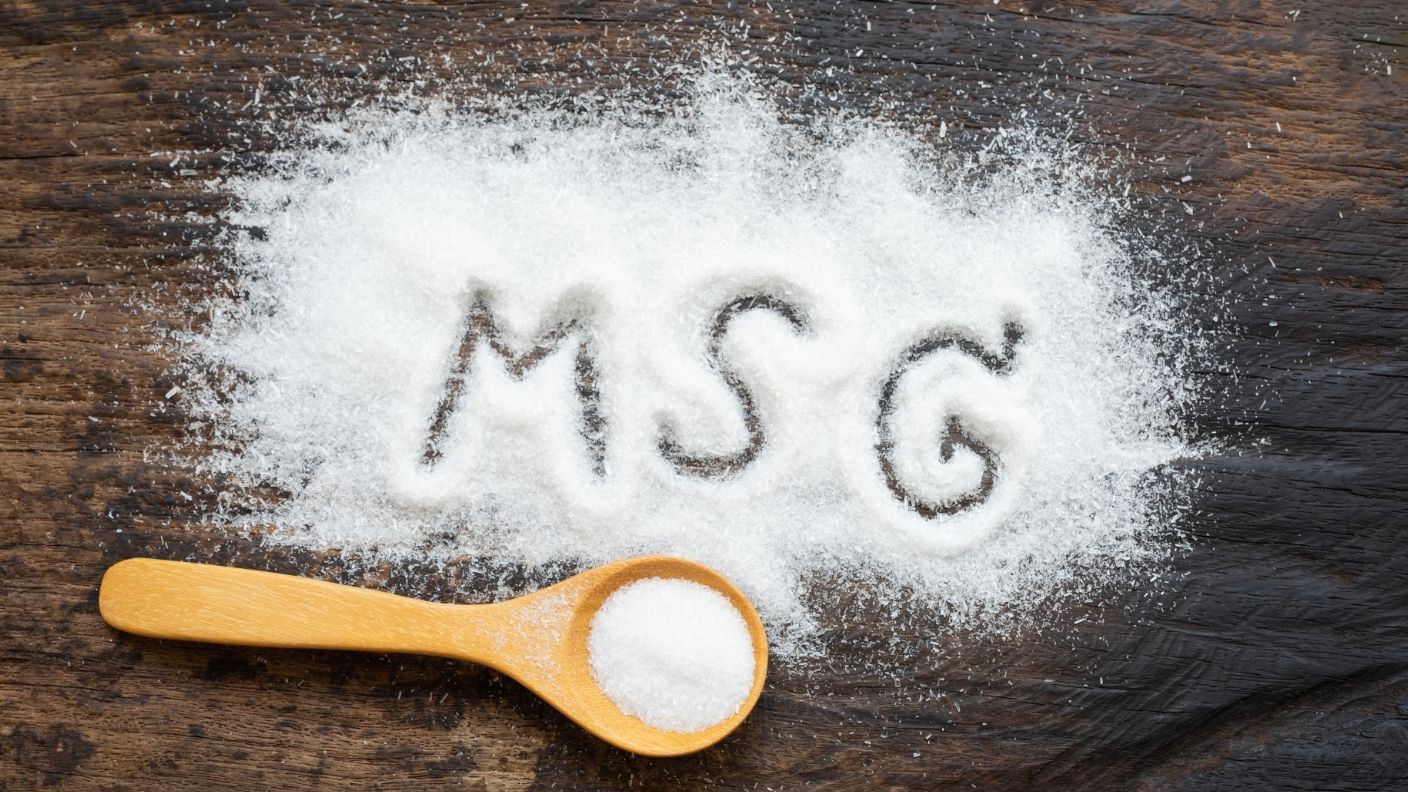

Few ingredients carry as much baggage as MSG. Menus advertise “no MSG,” snack labels boast about leaving it out, and many people still believe it causes headaches or worse.
The scientific record is far less alarming than the reputation. It’s worth separating what research has found from how the fear began.
The Short Answer
For most people, MSG at normal amounts in food is considered safe. The U.S. Food and Drug Administration classifies added MSG as “generally recognized as safe,” and the fear is largely a leftover from a story that was never well supported.
That doesn’t mean no one ever feels anything after eating it.
A small number of people report mild, short-lived symptoms, and the research is clearer on what doesn’t happen than on why a few people report these reactions. The nuance is below.
What MSG Is
MSG stands for monosodium glutamate, the sodium salt of glutamic acid. Glutamic acid is an amino acid, one of the building blocks of protein, and it is found naturally in the body and in many foods.
It is also what produces the savory taste known as umami.
Commercial MSG is made by fermenting starch, sugar beets, sugar cane, or molasses, in a process similar to the one used to make yogurt, vinegar, or wine. It is a seasoning, not a chemical invention from a lab.
Where the Scare Came From
In 1968, a doctor wrote a letter to the New England Journal of Medicine describing numbness and weakness after eating at American Chinese restaurants. He guessed MSG might be responsible but reached no firm conclusion.
The response set off a chain reaction.
Other writers joked about the letter, and the press turned the jokes into warnings, giving rise to the label “Chinese restaurant syndrome.” Scholars have described that story as tinged with racism, since it cast Chinese food as unhealthy. The term is now considered misleading and offensive, and researchers use “MSG symptom complex” instead.
What Controlled Studies Show
The best test of a food reaction is a blinded one, where people don’t know whether they’ve been given MSG or a placebo. In studies of people who say they’re sensitive, researchers could not consistently trigger reactions.
The FDA has received reports of headache and nausea after MSG-containing foods, but has never been able to confirm that MSG was the cause.
A review by the Federation of American Societies for Experimental Biology concluded MSG is safe. It noted that some sensitive people may have brief, mild symptoms after 3 grams or more of MSG taken without food.
How Much You Actually Eat
A typical serving of food with added MSG contains under half a gram, and getting 3 grams in one sitting is unlikely. Many people eat far less than that over a whole day.
On average, adults consume about 0.55 grams a day of added MSG.
By comparison, the same average adult gets about 13 grams of glutamate daily from the protein in food. The body handles glutamate from natural and added sources in the same way.
Glutamate Is Already in Your Food
Glutamate occurs naturally in tomatoes, aged cheeses, mushrooms, and protein-rich foods. As proteins are digested, free glutamate is released.
That’s why Parmesan and ripe tomatoes taste so savory.
If glutamate were harmful on its own, a bowl of pasta with tomato sauce and cheese would be a problem. The body does not distinguish between glutamate from a tomato and glutamate from a shaker.
Sodium: The More Useful Question
MSG does contain sodium, about 12 percent by weight, compared with roughly 40 percent in table salt. That is about one-third as much.
Excess sodium is the real concern, since it’s linked to high blood pressure.
Some researchers have studied MSG as a way to cut salt in recipes while keeping flavor. The bigger issue for most people is the sodium in packaged and restaurant foods, not the pinch of MSG.
What About Animal Studies?
Some studies in rodents and other animals using very high doses have reported effects on the liver, fertility, and heart. Experts caution those results can’t be applied directly to people.
The doses used far exceed what people eat.
Rodent studies often involve injection or amounts many times higher than typical intake. Long-term, low-dose human research is still limited, so scientists describe the evidence for harm as unproven, not disproven.
What “No MSG” Labels Mean
Added MSG must be listed as monosodium glutamate on the ingredient list. Ingredients that naturally contain free glutamate, such as yeast extract or hydrolyzed vegetable protein, must be listed too, but their labels need not mention glutamate.
Foods with those ingredients cannot claim “No MSG.”
A “no MSG” label does not mean a food is low in glutamate, and it says nothing about its healthfulness. A tomato soup labeled MSG-free is still full of natural glutamate.
Should You Avoid It?
There’s no evidence-based reason for most people to avoid MSG. If you notice a pattern of symptoms after a specific food, keep a diary and mention it to a doctor, since many conditions can cause headaches, flushing, or palpitations.
Anyone told to limit sodium should count it like any other source.
A light hand with MSG, like any seasoning, works well. A little can deepen the savory taste of soups, stir-fries, and sauces, with less sodium than extra salt.
RELATED ARTICLE: How to Make Ground Meat Taste Better Without Adding a Ton of Ingredients
