

Is It True That Eating Fast Makes You Gain More Weight Than Eating Slowly?

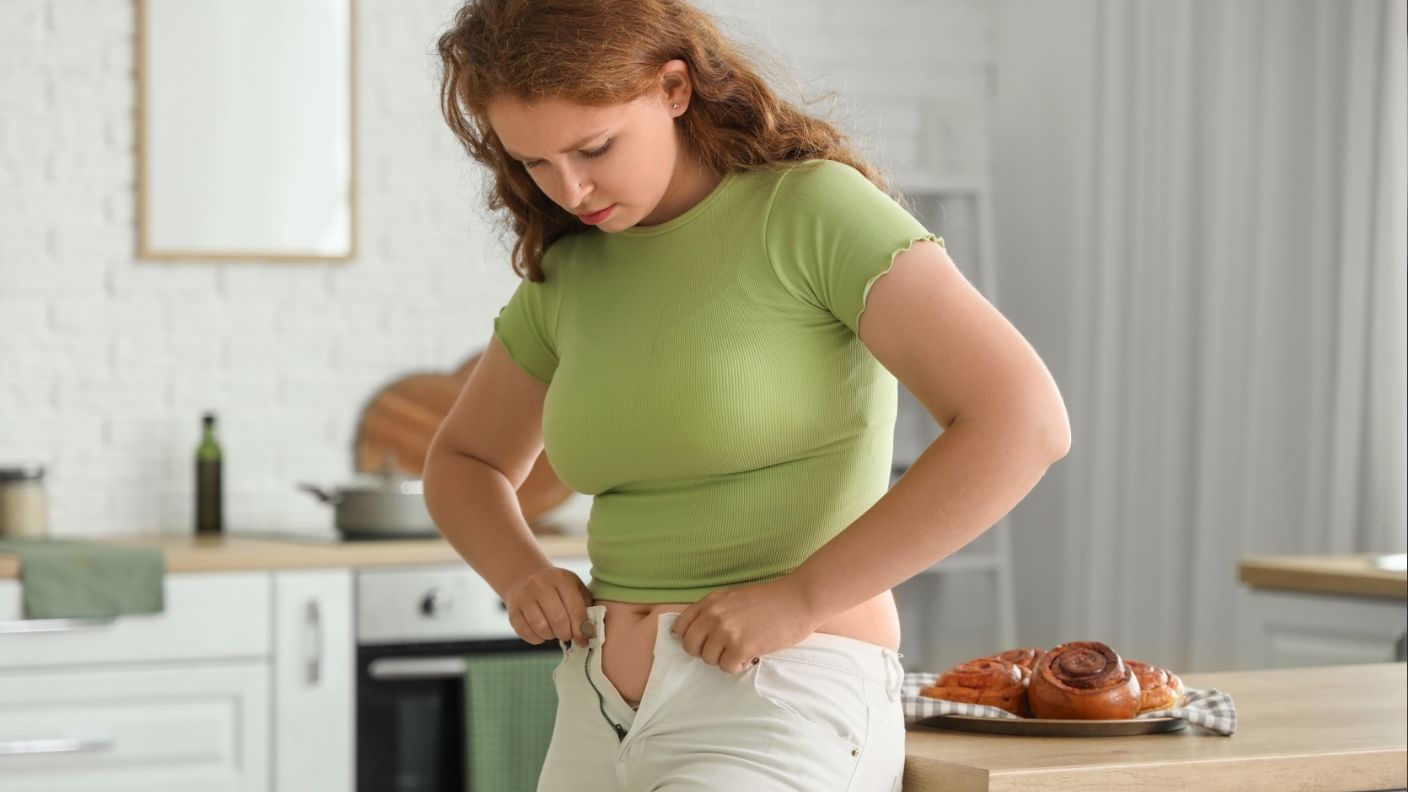

Some people finish a full plate before everyone else has even picked up a fork. Busy schedules, short lunch breaks, and dinners eaten in front of a screen have turned speed eating into a habit for millions.
It’s often brushed off as a harmless quirk, but researchers have been studying whether the pace of a meal affects more than just table manners. The findings say a lot about how hunger and fullness actually work.
Fullness Signals Run on a Delay
When food reaches the stomach and intestines, the body releases hormones that tell the brain you’re getting full. These signals don’t arrive instantly, and it can take around 20 minutes for them to fully register.
That delay is where the trouble starts. Someone who eats very quickly can finish a large portion before the brain gets the message that it’s had enough.
Large Studies Point to a Link
Big population studies have found a consistent pattern. People who describe themselves as fast eaters tend to have a higher body weight and waist size than those who eat more slowly.
One large study from Japan that followed tens of thousands of people found that slow eaters were noticeably less likely to have obesity than fast eaters. Reviews of multiple studies have reached similar conclusions.
Slowing Down Can Mean Eating Less
Controlled experiments help show this isn’t just a coincidence. In lab studies, people who were asked to eat the same meal more slowly often ate fewer calories and still felt satisfied.
Some studies have also found that chewing each bite more times leads to eating less overall. Those small savings may not seem like much at a single meal, but they can add up over weeks and months.
Fast Eating May Affect Blood Sugar
Researchers have also linked fast eating to a higher risk of metabolic syndrome. That’s a cluster of issues that includes high blood sugar, high blood pressure, and extra fat around the waist.
Eating very quickly may cause larger spikes in blood sugar after meals. Over time, repeated spikes are thought to put extra strain on the body’s ability to manage glucose.
Your Stomach Notices Too
Speed eating doesn’t just affect weight. Gulping food often means swallowing more air, which can lead to bloating, burping, and an uncomfortable full feeling after meals.
Chewing food more thoroughly also makes digestion easier. Larger, barely chewed bites can be harder for the stomach to break down.
Correlation Isn’t the Whole Story
It’s worth keeping some perspective. Fast eaters may also share other habits, like eating on the go, skipping meals, or relying on convenience foods, that contribute to weight gain.
So eating speed is unlikely to be the only factor. Still, the evidence from both population studies and controlled experiments suggests pace plays a real role.
Easy Ways to Slow Down
A few simple tricks can help stretch out a meal. Putting your fork down between bites, taking smaller bites, and chewing each one thoroughly naturally slow the pace.
Sitting down at a table instead of eating in front of a screen helps too. Starting with a glass of water, a broth-based soup, or a salad can also take the edge off hunger before the main course arrives.
Fiber and Protein Help the Process
What’s on the plate matters as much as how fast it disappears. Foods high in fiber and protein, like vegetables, beans, eggs, and fish, take longer to chew and keep you full for longer.
Highly processed, soft foods are easy to eat quickly and in large amounts. Building meals around whole foods makes slowing down feel more natural.
RELATED ARTICLE: Is It True That Eating Late at Night Causes Weight Gain?
