


Is “Eating For Two” During Pregnancy Actually True?

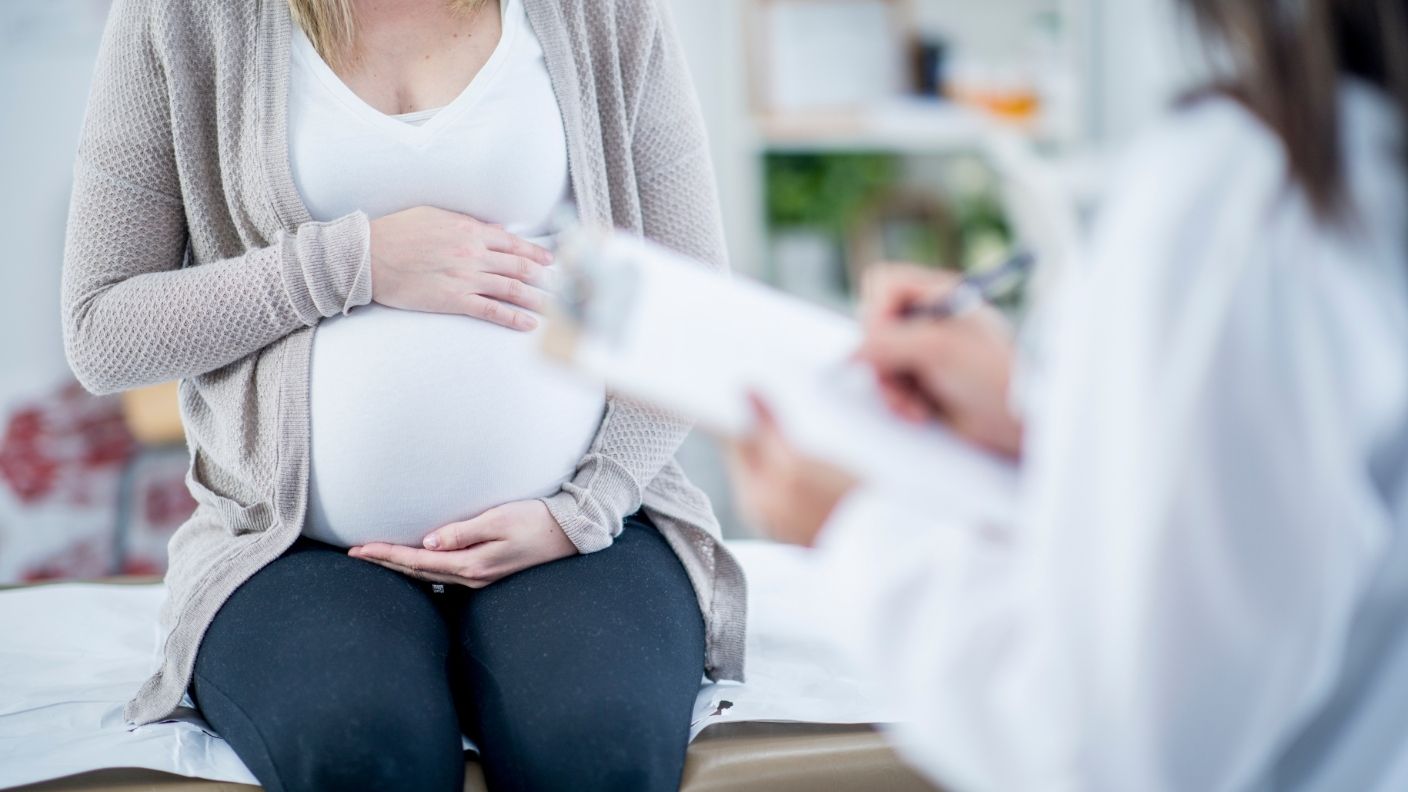

A pregnant woman reaching for a second helping rarely gets a second look. If anything, she’s more likely to get encouragement, since the idea that she’s now cooking for two people justifies just about any plate size.
That phrase gets repeated so often it barely registers as a claim anymore. It’s worth actually checking against what doctors and nutrition researchers have found.
What the Calorie Math Actually Looks Like
Doubling a meal plan assumes a second full-grown person needs feeding, but that’s not remotely how pregnancy works, especially early on. According to Mayo Clinic, the first trimester requires no extra calories at all for someone starting at a healthy weight.
The number does rise later, just nowhere near a doubling.
The second and third trimesters call for roughly 300 additional calories a day, which one physician has described as being about the size of an avocado toast or a peanut butter sandwich. That’s a modest addition tacked onto an existing diet, not a second full meal stacked on top of it.
The Nutrients That Actually Do Need to Double
Calories aren’t the only thing people associate with “eating for two,” and this is actually where the phrase comes closest to holding up. Several specific nutrients really do need to roughly double during pregnancy, just not food volume overall.
Iron is the clearest example, with daily needs climbing to 27 milligrams, double what’s recommended for someone who isn’t pregnant.
Folate requirements rise substantially as well, from 400 micrograms beforehand to somewhere between 600 and 1,000 micrograms during pregnancy, largely to support early neural development. Protein and calcium needs increase too, though less dramatically. The actual shift is toward nutrient density, not simply eating more of everything already on the plate.
Why Overeating Carries Its Own Risks
Treating the phrase literally doesn’t just miss the nutrition science, it can actively work against a healthy pregnancy. Consistently eating well beyond what’s needed raises the odds of gaining more weight than doctors recommend.
Tommy’s, a UK pregnancy health charity, points out that eating significantly more food than necessary can raise the risk of gestational diabetes rather than offering any real benefit to either person involved.
Research on gestational weight gain backs that up at scale. One widely cited analysis found that two out of every three women who entered pregnancy already overweight ended up exceeding recommended weight gain guidelines, often by a wide margin. That pattern has been linked to harder deliveries and more difficulty losing the weight afterward.
Why the Phrase Keeps Getting Reinforced Anyway
If the medical guidance is this clear, the phrase’s staying power says more about culture than nutrition. Pregnant women are routinely told they look great no matter how much weight they’re gaining, which makes it hard to register when gain has moved past a healthy range.
One study participant described hearing exactly that kind of reassurance throughout her own pregnancy, noting that people kept telling her she looked like she was doing pregnancy right, regardless of the number on the scale.
That social permission is part of what keeps the phrase alive long after the nutrition science moved on. It’s a lot easier to repeat a comforting old saying than to explain that “eating for two” was never really about quantity in the first place.
RELATED ARTICLE: The Hidden Psychology Behind Your Biggest Food Cravings
