


I Ate Like a 1970s Bodybuilder for a Month—Here’s What Happened to My Muscles

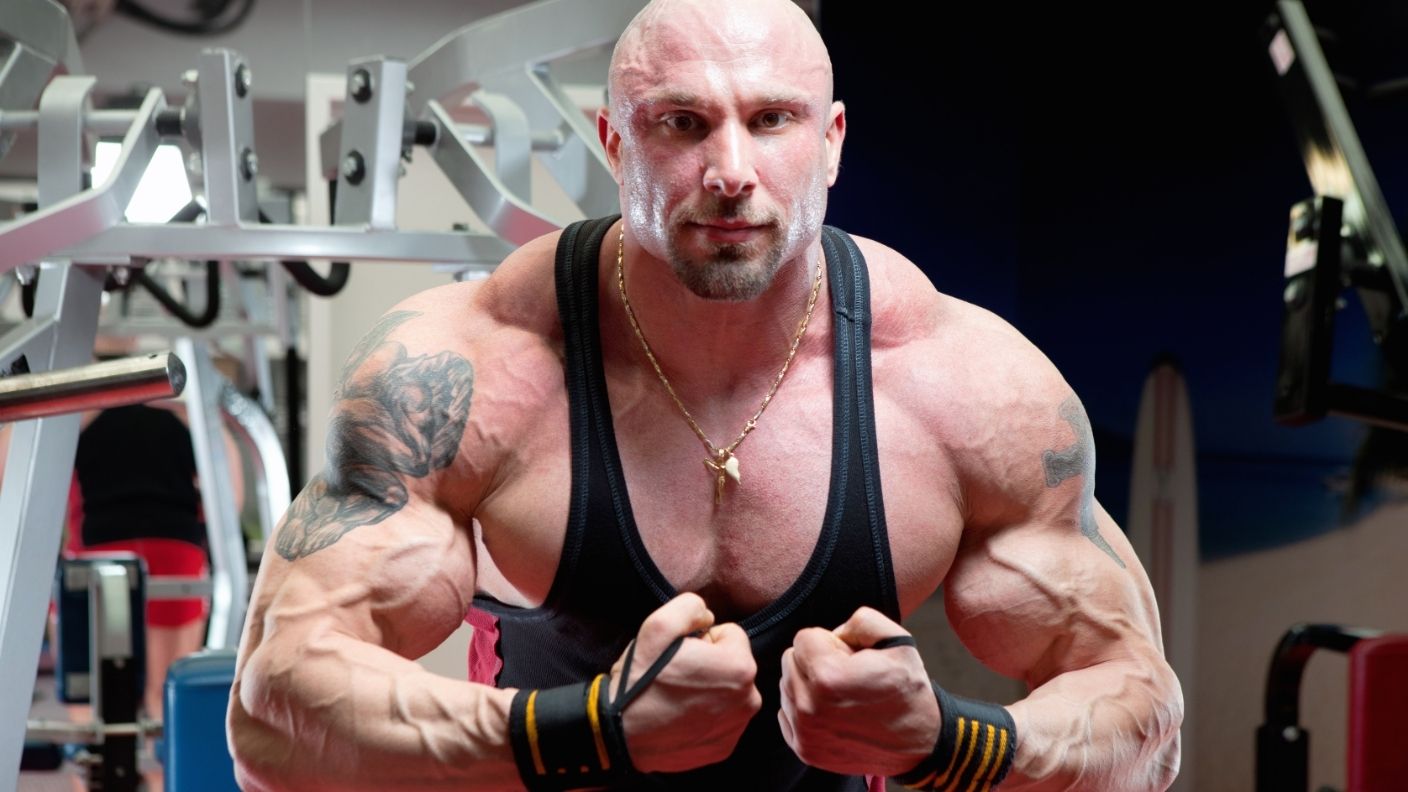

Modern fitness culture runs on protein powders, pre-workout drinks, macro-tracking apps, and an endless stream of supplement ads. It’s easy to forget that some of the most famous physiques in history were built without most of that.
The bodybuilders of the 1970s, often called the golden era, relied largely on real food, hard training, and plenty of rest. One certified trainer decided to see what would happen if he followed that old-school approach for a full month, and he tracked every change along the way.
The Man Behind the Experiment
Vidur Saini is an ACE-certified personal trainer and editor at Fitness Volt who has been lifting weights since 2007. He says watching Arnold Schwarzenegger in Commando as a kid sparked his lifelong love of strength training.
In the summer of 2024, he set aside his usual program and spent 30 days following Schwarzenegger’s classic bodybuilding approach. That meant both the high-volume training style and the whole-food, protein-heavy way of eating that defined the era.
What Golden-Era Bodybuilders Ate
Bodybuilders of the 1970s didn’t have today’s huge supplement industry. They built their diets around whole foods, eating meat, eggs, cheese, and dairy several times a day to hit their protein needs.
Cottage cheese, omelets, steak, chicken, and fish were staples, and many lifters weren’t afraid of fat. Schwarzenegger has said he still eats the same foods he did decades ago and that they still work.
He Adjusted the Diet to Fit His Body
Saini focused on whole, protein-rich foods in the spirit of Schwarzenegger’s approach. Since he wasn’t trying to eat exactly like a seven-time Mr. Olympia, he calculated his own calorie and macronutrient needs based on his activity and goals.
Within the first couple of days, he noticed he needed to eat more to keep up with the training. By the second week, he increased his protein intake to support muscle repair and added more carbohydrates to his pre-workout meals for energy.
The Training Was Brutal From Day One
The diet went hand in hand with a demanding training split: chest and back on one day, shoulders and arms the next, then legs, followed by a rest day. Each muscle group was trained twice a week with heavy compound lifts like bench presses, squats, rows, and overhead presses.
Saini had been doing about 15 sets per muscle group before the challenge. Arnold-style workouts pushed that number to around 25, and he joked that he got a lat cramp just trying to wash his back.
The First Week Was a Shock
Soreness hit hard on the third day, right before his scheduled leg workout. Even arm training felt grueling, since lifting heavy made simple biceps curls feel as tough as squats.
On rest days, he added a short, easy jog to help with recovery. That light movement helped his body bounce back for the next round of heavy sessions.
His Body Adapted by Week Two
By the second week, the initial shock began to fade. Leg-day soreness was still there, but far less intense than the first time.
He also noticed much stronger muscle pumps as his body adjusted to the higher volume. Saini added a 10-minute cardio session after each lifting workout, which he said helped him push harder during training.
Recovery Became a Priority
Food was only part of the old-school formula. Saini aimed for seven to eight hours of sleep every night to give his muscles time to repair.
He also made foam rolling and stretching part of his routine. Those habits helped ease muscle tension and reduce the risk of injury as the workouts grew more intense.
More Energy and Better Sleep
In the final week, Saini ramped up the intensity even further, adding extra reps whenever he couldn’t increase the weight. Surprisingly, he said he had more energy throughout the day despite pushing so hard in the gym.
He also reported that his sleep quality improved dramatically. Plenty of food, hard training, and consistent rest seemed to work together better than he expected.
The Numbers After 30 Days
By the end of the month, Saini’s body weight went from 175 to 182 pounds. His chest measurement grew from 40 to 41 inches, and his arms went from 14 to 15 inches.
At the same time, his waist shrank from 32 to 31 inches. His bench press max climbed from 225 to 255 pounds, and his squat jumped from 275 to 315 pounds.
Why Results Like This Can Vary
Gains like these in a single month are impressive, and Saini himself noted that results depend on training volume, intensity, and experience. Some early weight gain from heavy training and higher carb intake can come from extra water and stored glycogen in the muscles.
Experienced lifters returning to higher training volume can also see quick strength jumps as their bodies adapt. The bigger lesson is that consistent hard training, enough protein, and good sleep remain the foundation of building muscle.
What He’s Keeping Going Forward
Saini said the results were too good to go back to his old routine. He now cycles between high-volume and high-intensity phases to keep making progress.
He has also added more isolation exercises to target weak spots. The month left him with a renewed passion for training and a deeper respect for the discipline of the golden era.
RELATED ARTICLE: 7 Cozy Foods That Are Surprisingly High in Protein
